The week before half-term, we were lucky enough to take advantage of UK Research and Innovation’s (UKRI) ‘Borrow the Moon’ project. It had been almost 10 years to the day that we had first welcomed the moon rocks to Rode Heath and we eagerly anticipated their arrival on the Monday.
We were not disappointed. Since 2014, there had been a significant change to the kit, with new samples and some excellent teaching resources to enhance the experience.

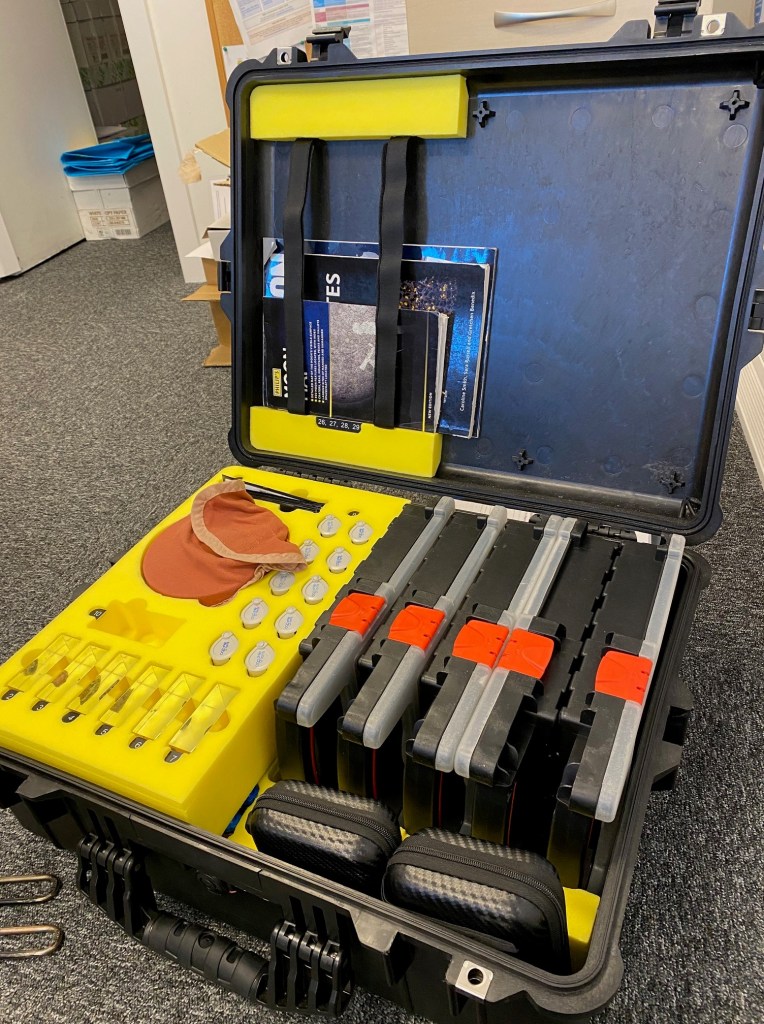
The biggest change was perhaps the inclusion of 5 Meteorite Hunters boxes, containing Earth, space, and fossil related rocks. These were an excellent addition, as it meant that more pupils had the opportunity to spend time studying and learning about the distinct features of meteorites.
Inspiring awe and wonder
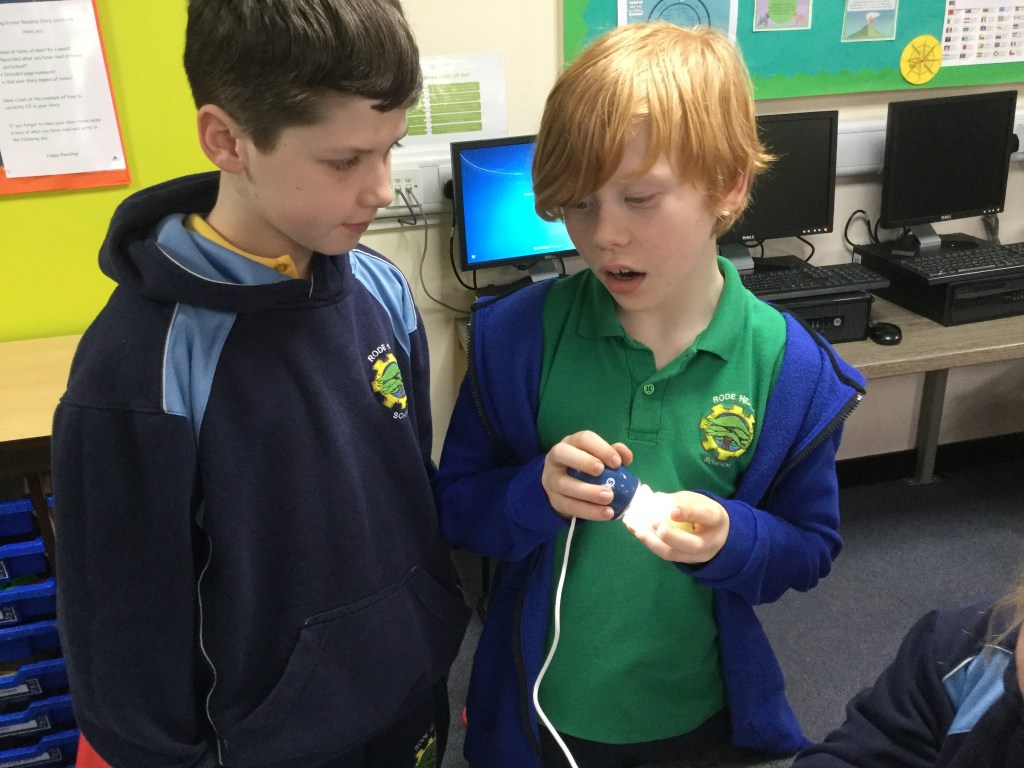
It was wonderful to see the amazement on the children’s faces as they handled their own bit of space. Normally disengaged boys couldn’t wait to use the microscopes to delve deeper into the rocks’ structures. They were mesmerized and eager to learn about the lunar landings and how the samples had been brought back to Earth.

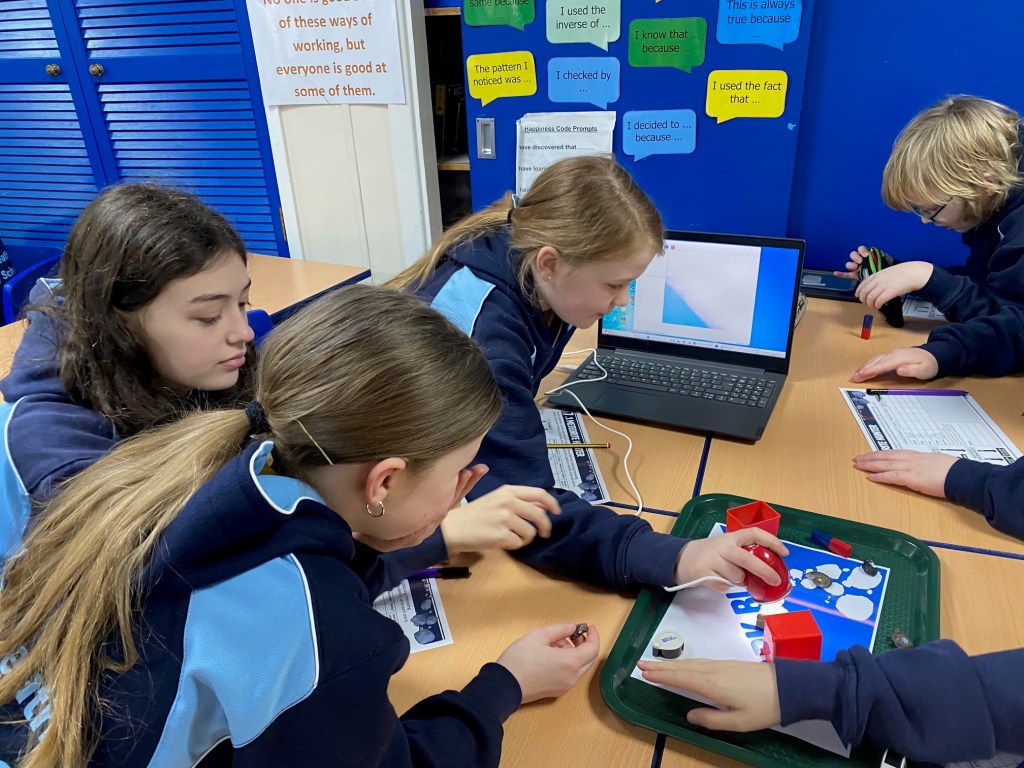
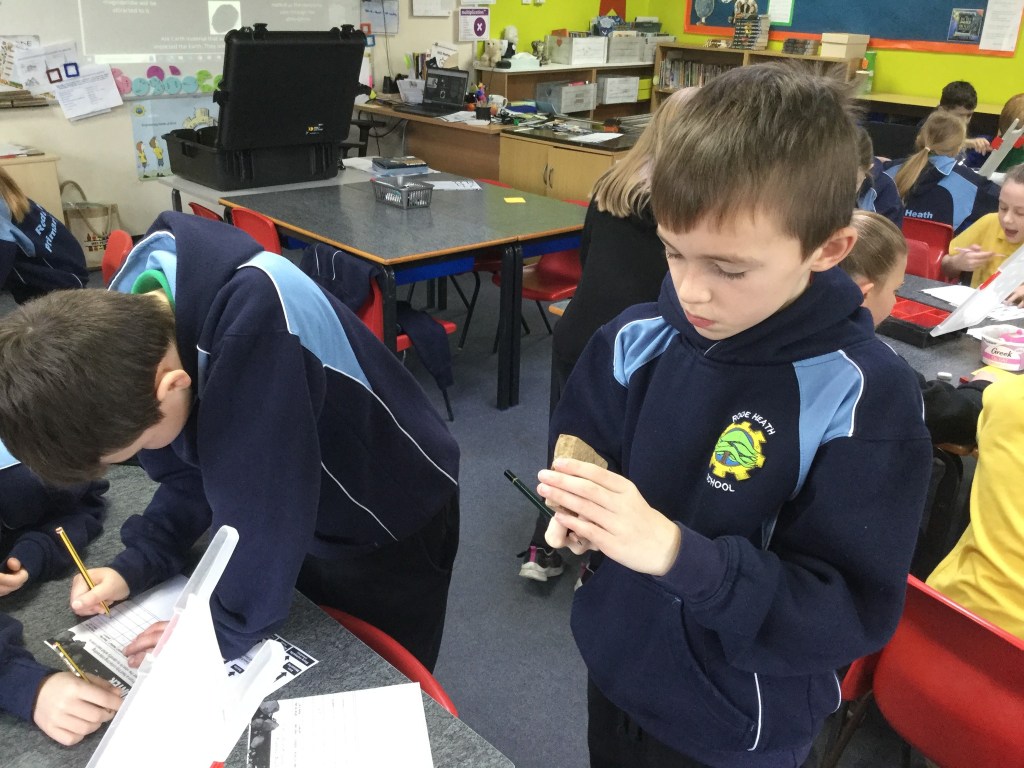

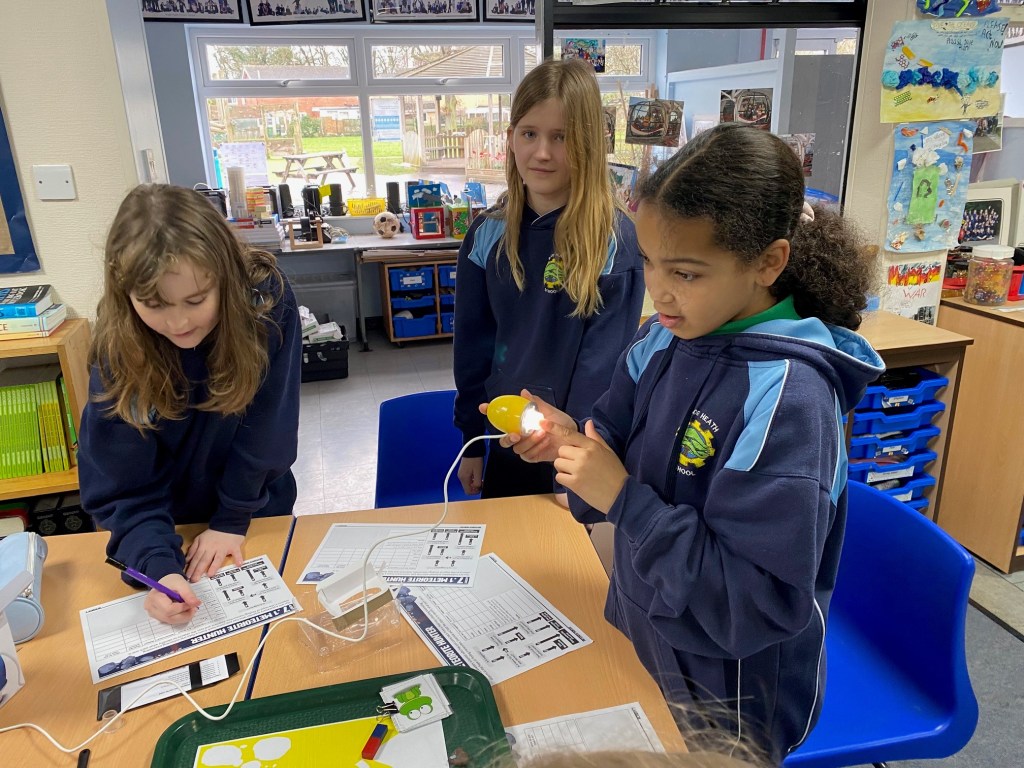

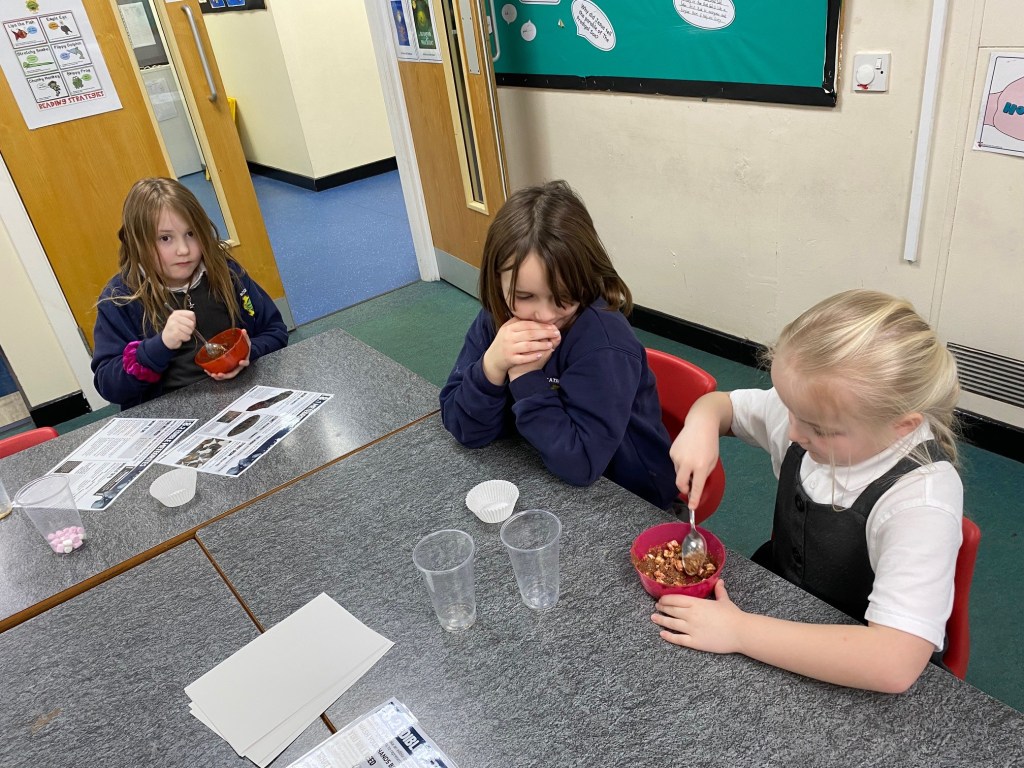
Each class, from Reception up to Year 6, was allocated either a full morning or afternoon with the space rocks and thanks to the wealth of lesson plans developed by STFC, each session was very well structured to make the most of the learning experience. As lessons were tailored to different age groups, and well-resourced with accompanying PowerPoints and worksheets, this made planning very easy for teachers. Year 2 particularly enjoyed making chocolate meteorites from mini-marshmallows. And, by the end of the session, all of them could tell you the difference between a meteoroid, meteor and meteorite.



Having devoted their afternoon to studying the Meteorite Hunters boxes, the Year 5s spent the next morning covering themselves with flour and cocoa, as they carried out their own crater investigation – dropping marbles from different heights and observing the change in crater depth and width. This was a very valuable exercise as it covered many working scientifically skills.
The Year 4s marvelled at the weight of one of the larger iron meteorites in the main case and were astonished to find out through their research that the largest meteorite that has been found on Earth – the Hoba meteorite – with an area of 2.7 x 2.2 metres – weighs as much as 7 elephants. It’s no wonder no-one has ever managed to move it.
Investigating Conspiracy theories
In Year 6 there was a definite skepticism about the various moon landings – a perfect opportunity to engage them with the ‘Moon Conspiracies’ activity. This was an excellent lesson, which involved the pupils analyzing statements for and against the moon landings and then exploring evidence cards which potentially supported or disproved the arguments.
The session ended with the playing of 3 Mythbuster clips which provided an explanation for three of the main conspiracy theories. By the end of the afternoon, more than half of the Year 6 objectors had changed their minds – which was a good result.
I can thoroughly recommend applying for a loan box. The process is simple – a few forms to fill in, then a visit to make sure that you have suitable security measures in place – after all, many of the items are irreplaceable.
To find out more, follow this link: https://www.ukri.org/what-we-do/teaching-resources/borrow-the-moon/
 Think Like An Engineer