At Rode Heath Primary school, we believe in encouraging our children to be curious about the world around them and are committed to providing an environment where they can develop real-life skills such as creative problem-solving. Following on from our hugely successful Out of This World Space project, we have developed a new whole school initiative Think Like an Engineer, which will be documented in these pages.
The Think Like an Engineer project stems from our involvement with the Tinker Tailor Robot Pi project run by Lynne Bianchi from Manchester University. Over the course of 2015-2016 we learned about Engineering Habits of Mind and introduced the concept of Tinkering to our Year 3 & 4 classes. This proved to be so successful that we decided to take the idea EHOM further and independently developed our own Engineering Log Book to give to each child from Reception up to Year 6.
Contained in the log book is a series of engineering levels through which children will progress as they rise up the school. Reception children will start as technicians and move towards achieving the role of senior engineer by the end of Year 6. The log books contain tables of competencies at the back which children will need to meet before they can move on to the next engineering level. These are based on the UK Standard for Engineering Competence which have been rewritten into I can statements.
The aim of the project is to develop a collection of engineering activities to be carried out by individual year groups. Ideally these will span a wide range of engineering disciplines from mechanical and electrical, through to chemical, software and environmental. Where possible, engineering activities will be linked to an aspect of the science curriculum for that year group.
Central to each unit will be the Engineering Design Process (EDP): ask, imagine, plan, create, improve. Emphasizing the EDP will help us to foster pupils’ questioning and creativity, and allow pupils to enhance their problem-solving skills. We will also be encouraging children to develop Engineering Habits of Mind (EHoMs) and translate these working practices to other areas of the curriculum.
Another Science Week has come to a close at Rode Heath – and what a fantastic week it has been. Last year we reached for the stars, celebrating the 10-year anniversary of our Out of This World space project, inspired by Tim Peake. This year, however, we plunged into the depths of the ocean, helped by a team from the National Oceanography Centre.
The Inspiration Behind Ocean Week
Our Ocean-themed week was inspired by a two-day workshop I attended at the STEM Learning Centre in York in November of last year. This was a gathering of teachers, university lecturers and scientists from a range of marine conservation organisations, all working together to design ways to inspire primary school pupils to consider future careers connected to the ocean.
Having previously introduced engineering into the primary curriculum, I was interested to learn more about existing teaching materials related to the ocean and to be involved in discussions about how marine topics could be integrated into classroom learning. The ocean is a fascinating and hugely appealing subject for children – and, in many ways, it remains less explored than space. For teachers, it offers a wealth of opportunities to spark curiosity and introduce real-world science. There seemed to be many opportunities within both science and other curriculum areas where a marine example might be used to inspire and engage.
Building an Ocean Curriculum
Armed with new knowledge and ideas from the workshop, I began thinking about how these could be incorporated into our next Science Week once I returned to school. During the workshop, we discussed the 7 Ocean Literacy Principles, originally developed in the United States to encourage teaching about the ocean in schools, and I decided to use these as a framework around which our Ocean Week could be structured.
Once I began researching online, I quickly discovered just how many resources were available. One of the most useful websites I discovered was Encounter Edu (https://encounteredu.com), which provides a wide range of engaging activities, lesson plans and PowerPoints. It even hosted a live online Science Week lesson, which several of our classes were able to join.
A Week of Ocean Exploration
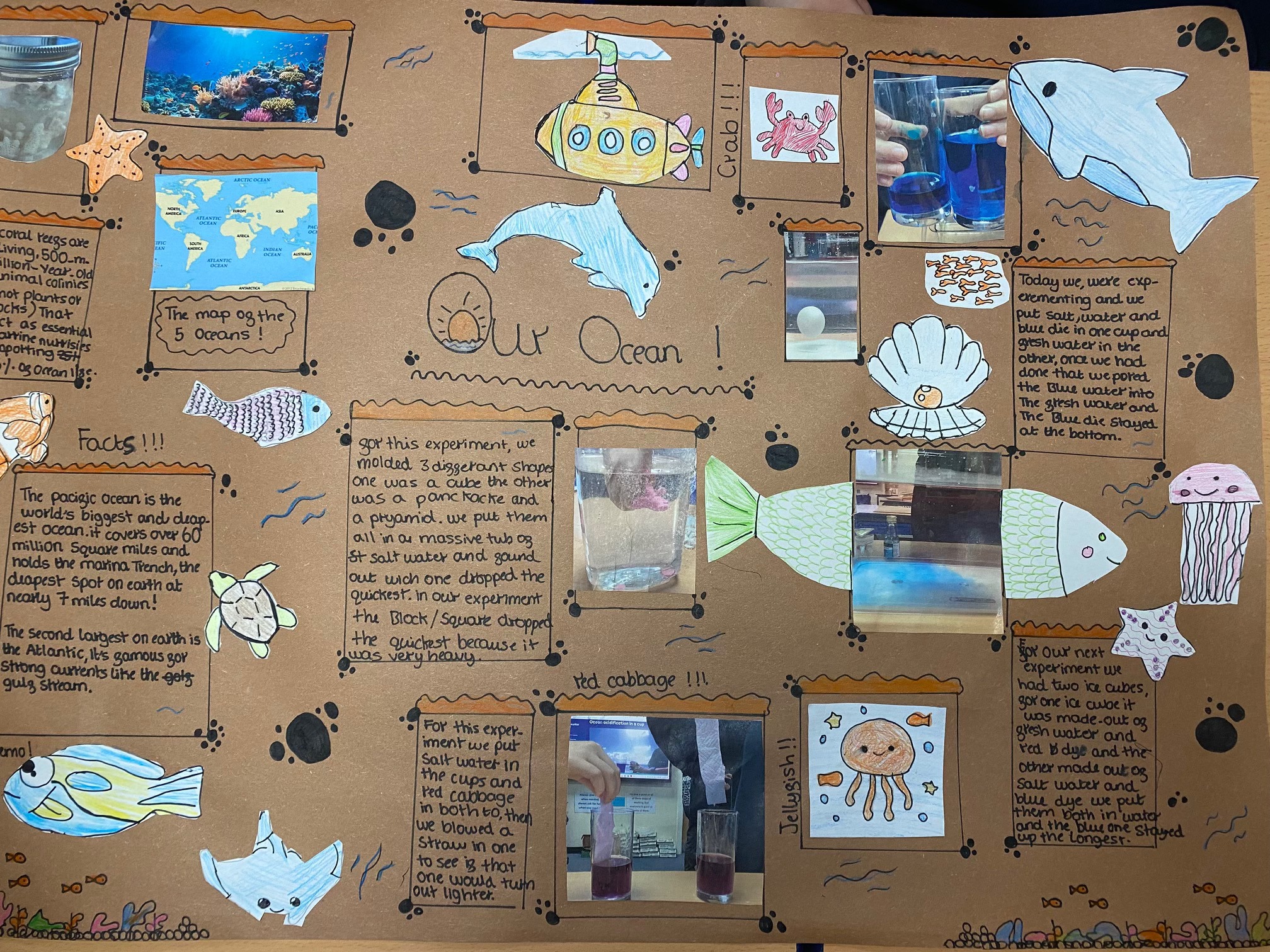
With the framework in place, each class explored a different aspect of ocean science during the week. From investigating ocean currents and wave energy to exploring biomimicry and the effects of ocean acidification, pupils were able to experience the ocean through hands-on investigations and practical STEM challenges.
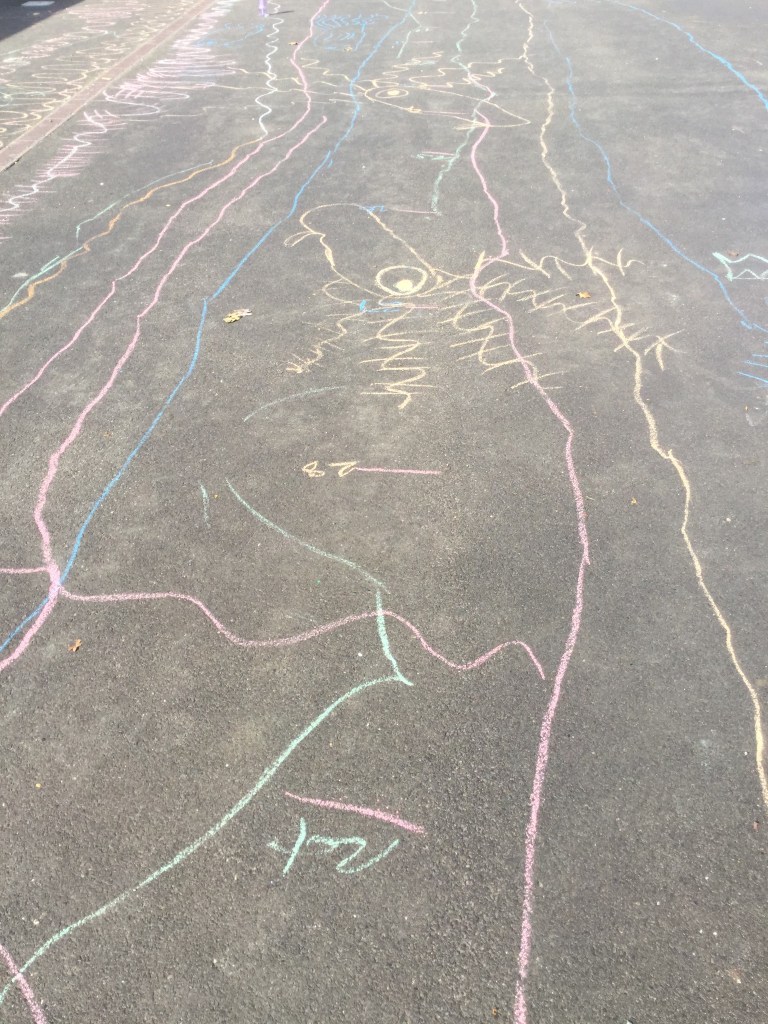
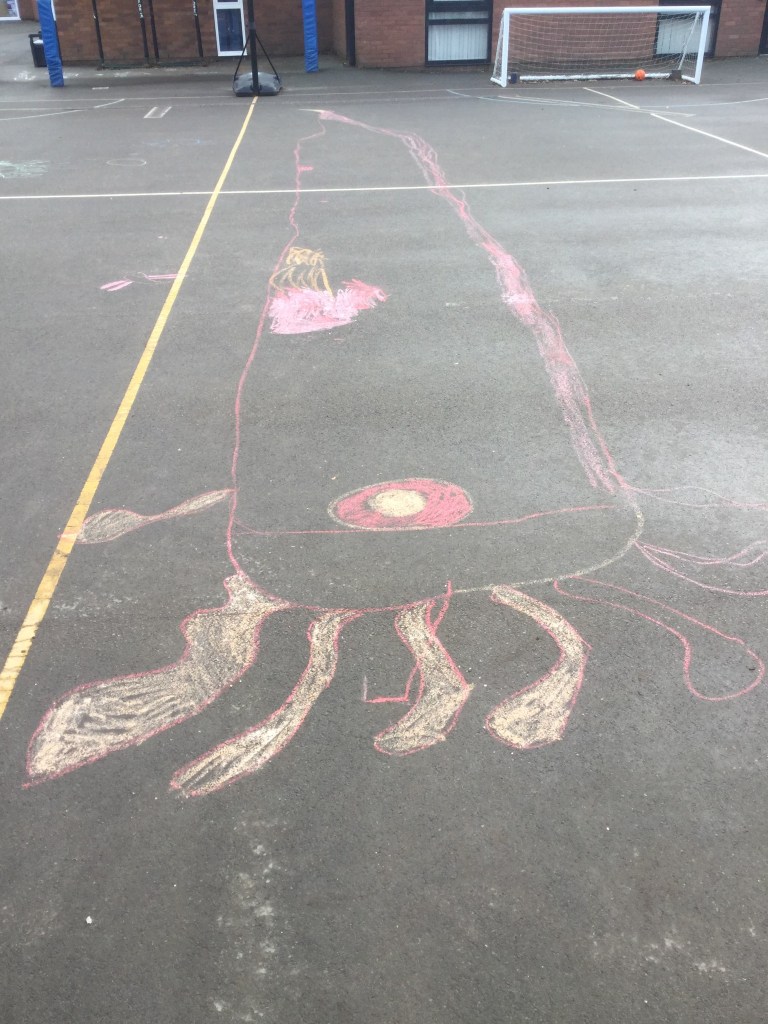
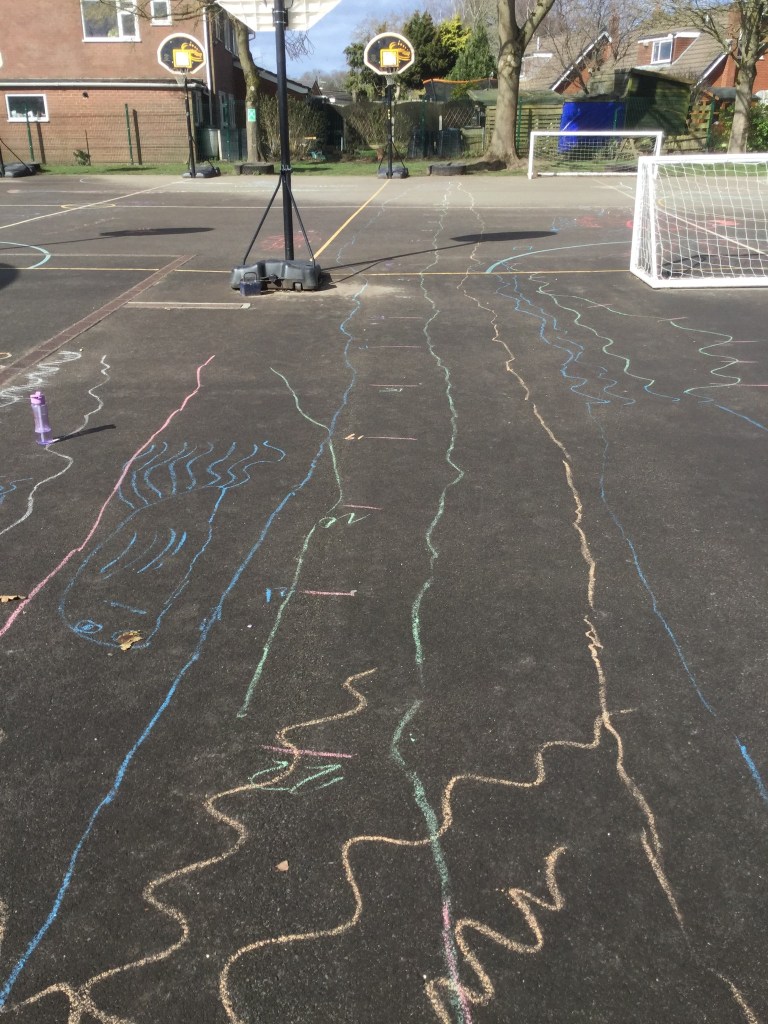
Year 4 used a maths lesson to measure the size of giant sea creatures
The work generated during the week was of a very high standard and reflected a broad range of curriculum areas. From art and music to science, mathematics, geography and English, pupils approached the ocean theme in a variety of creative and investigative ways. It was a clear confirmation that marine themes can sit comfortably within our existing subjects and provide a powerful context for learning.
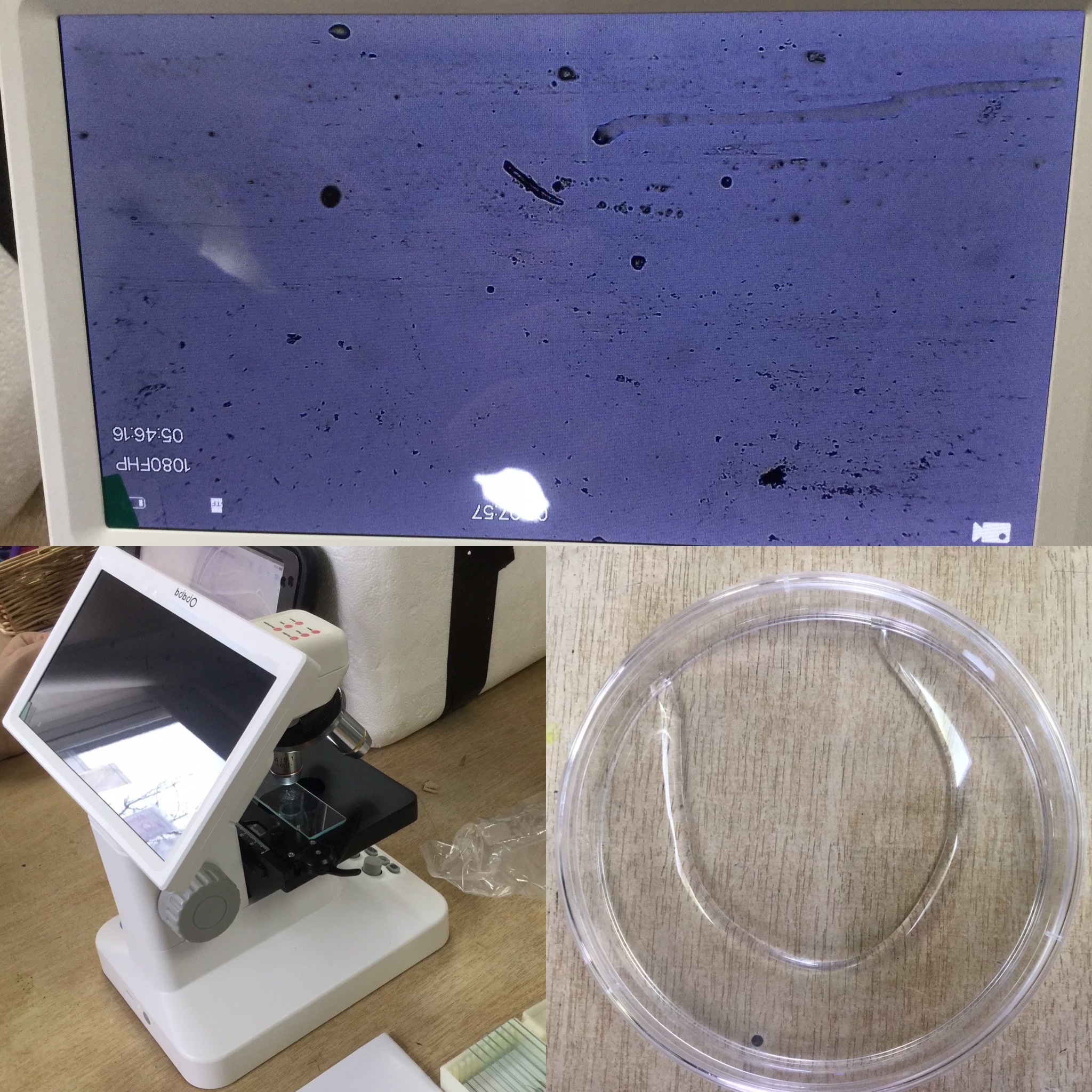
Investigating plankton
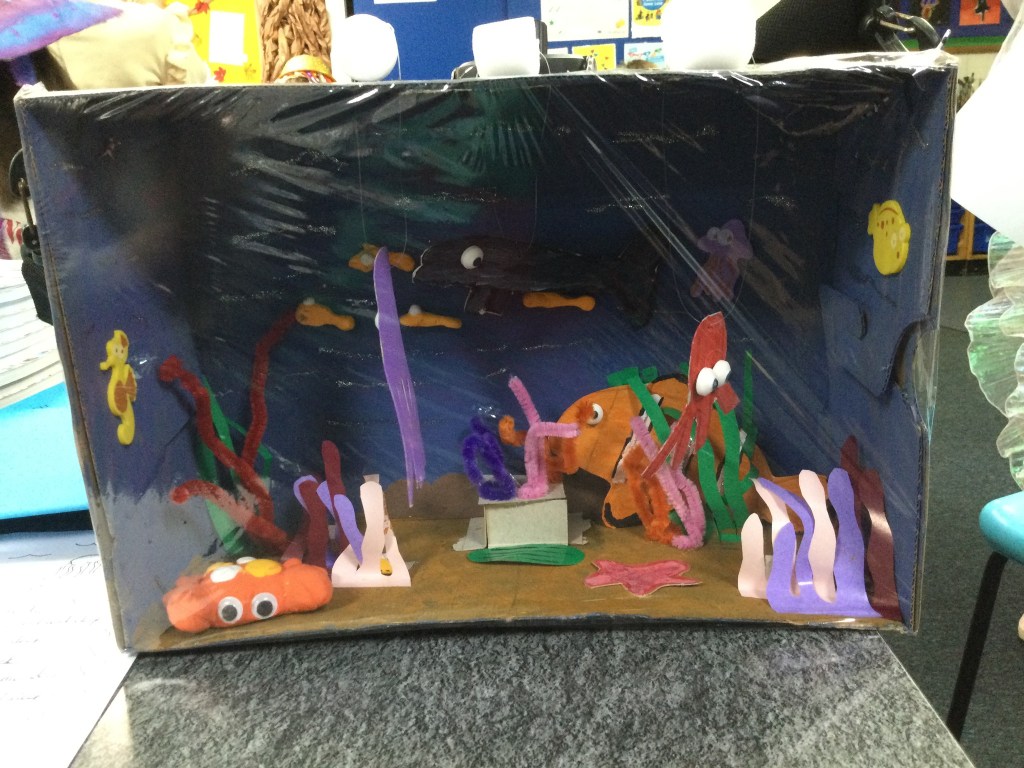
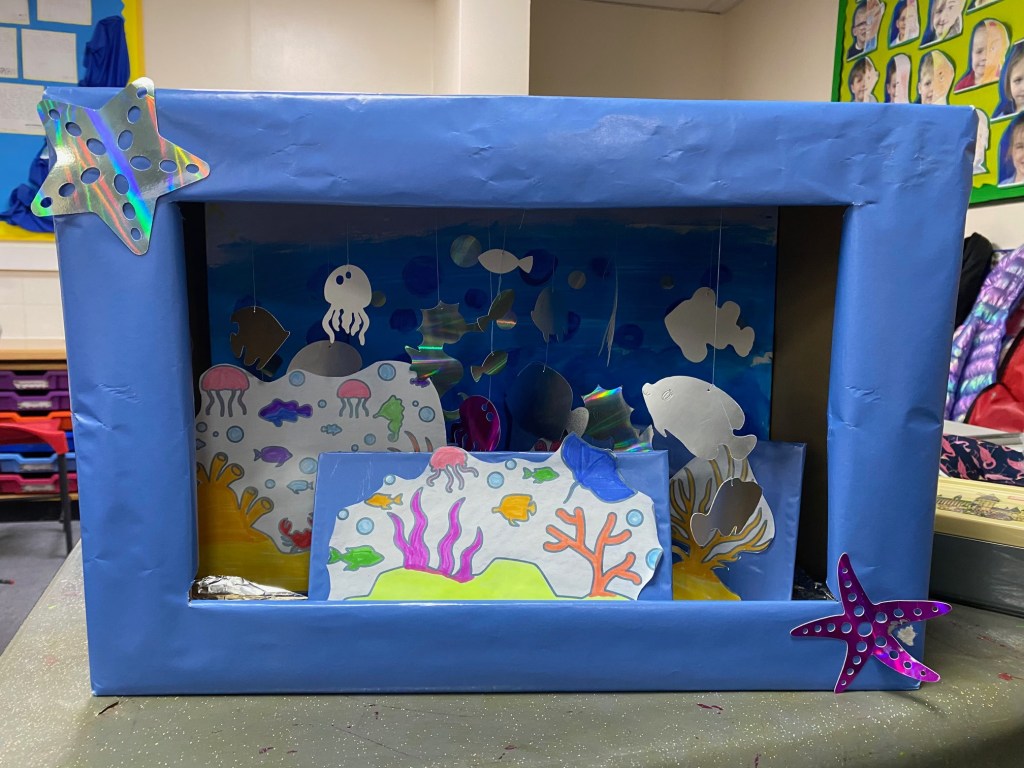
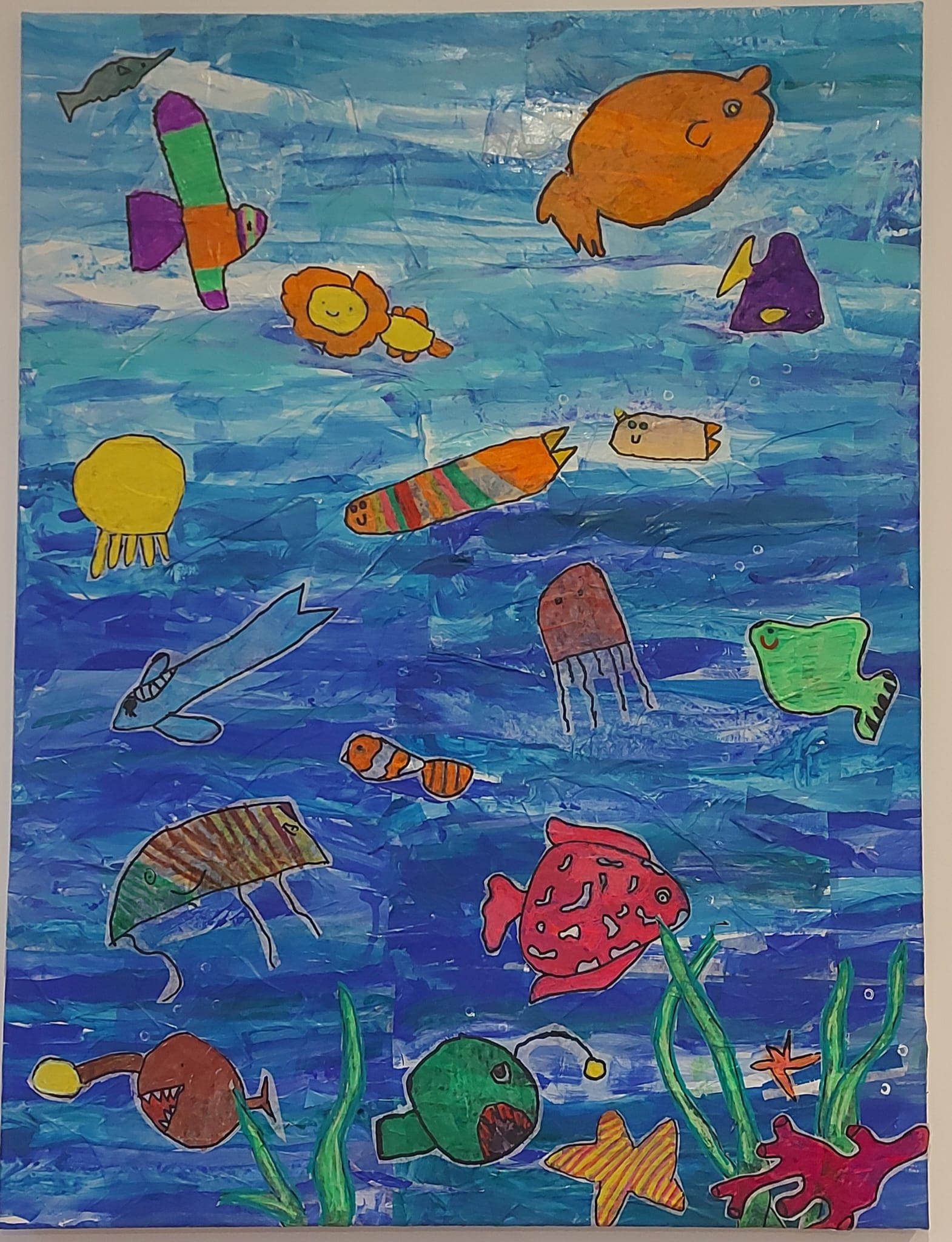
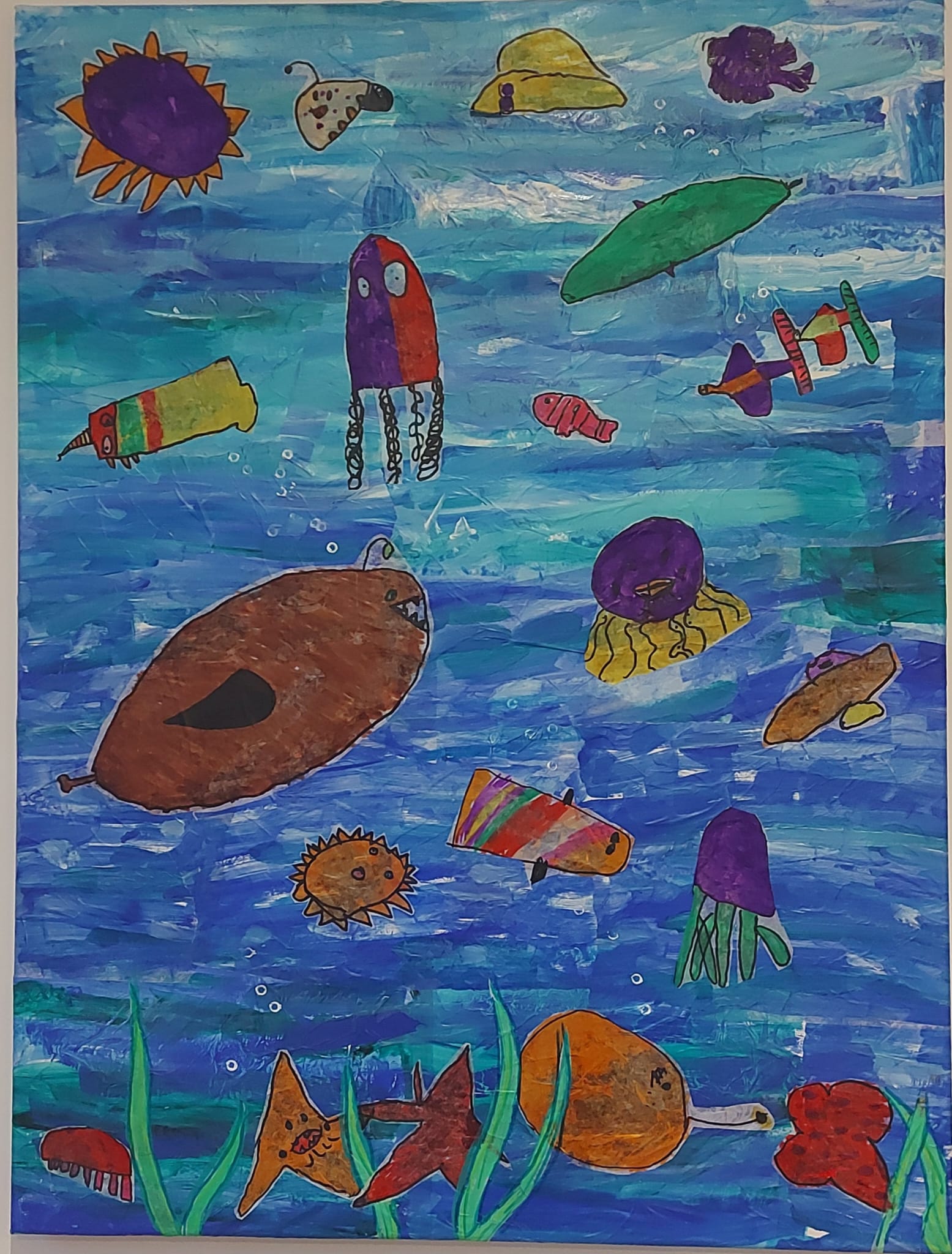
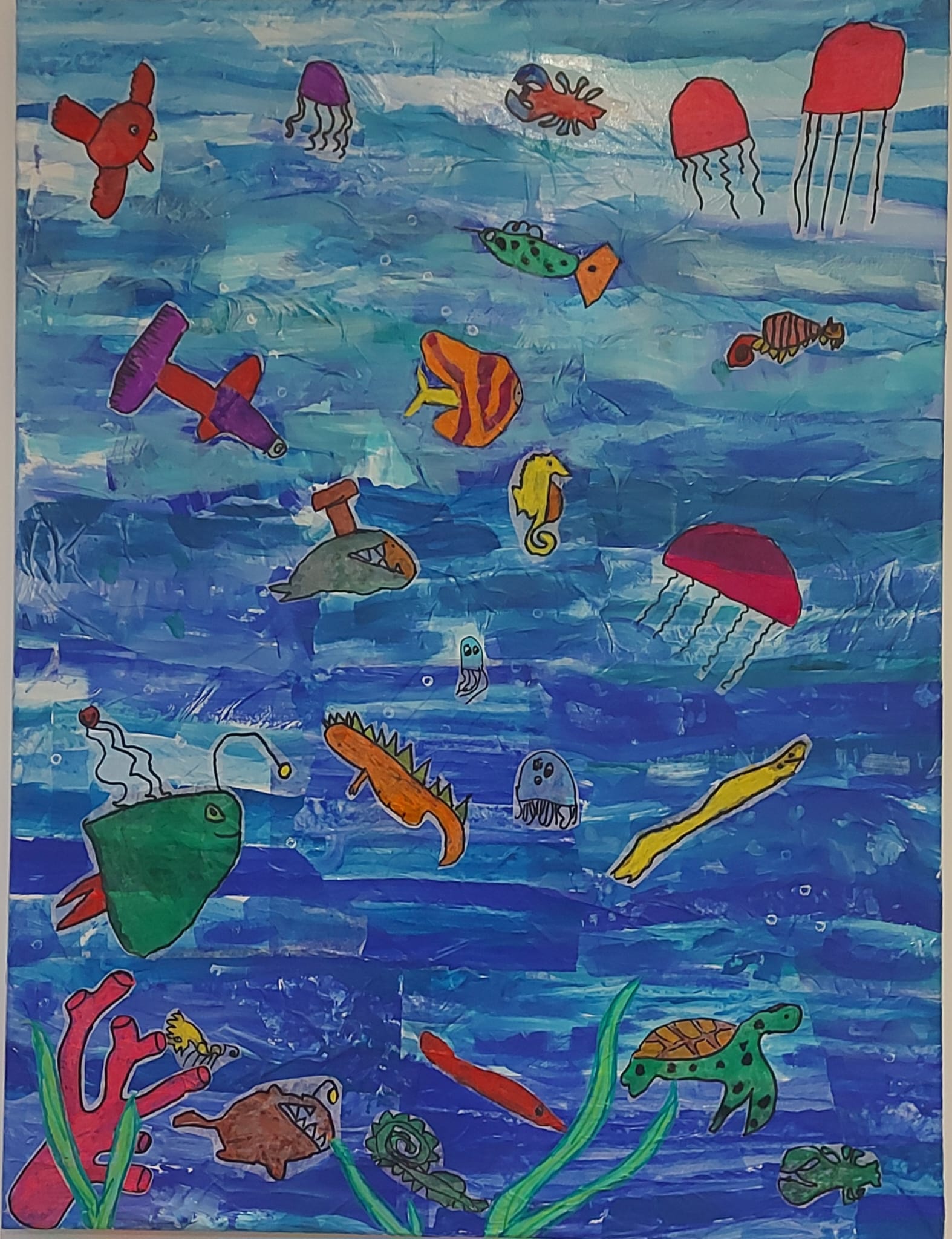
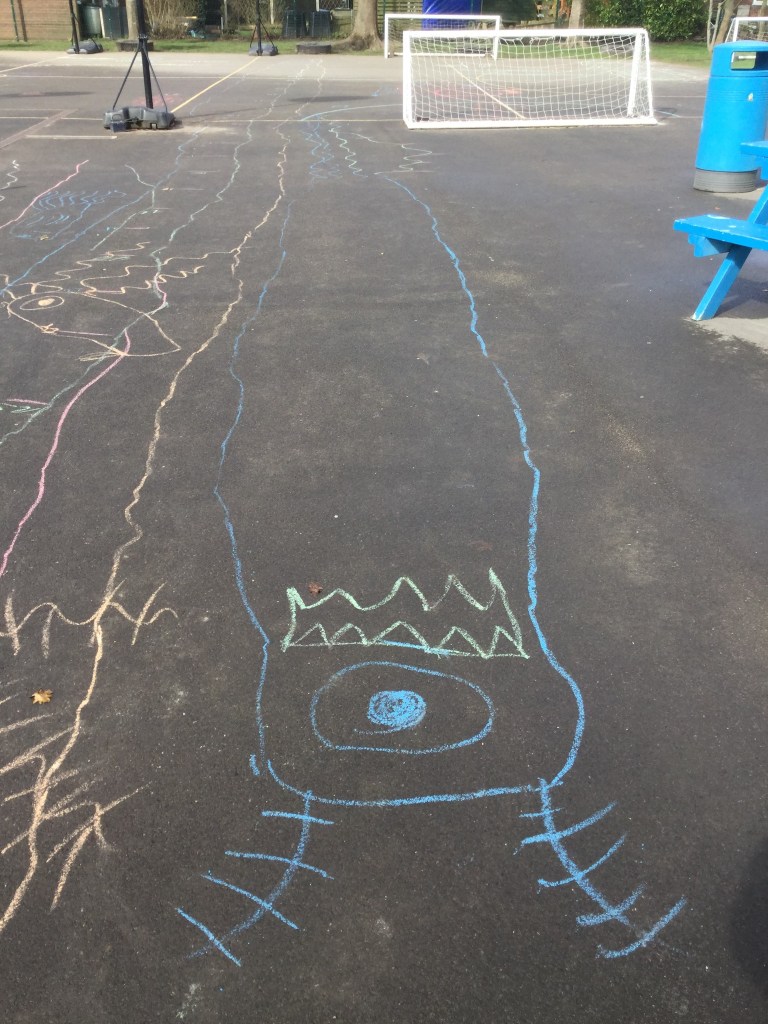
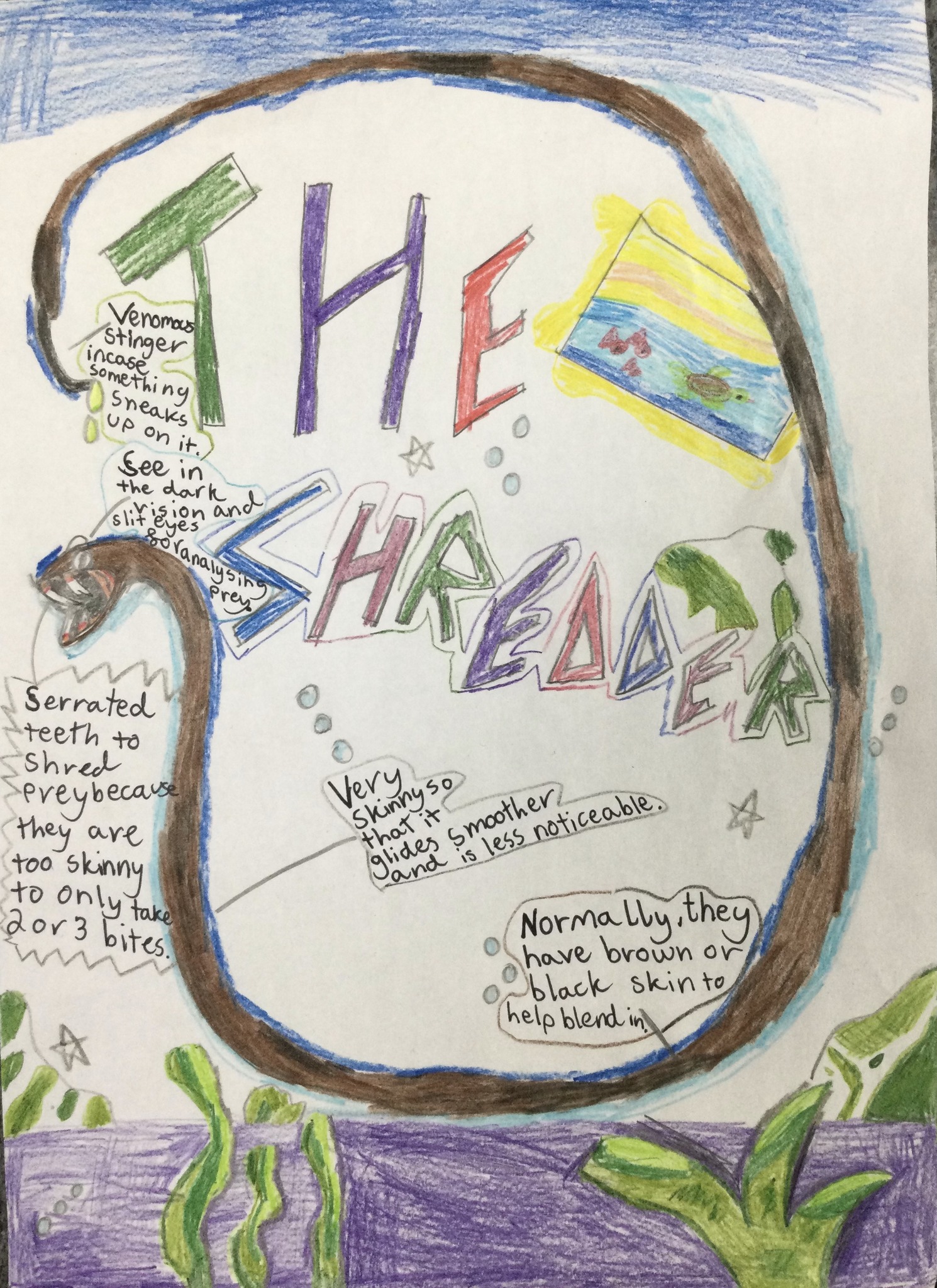
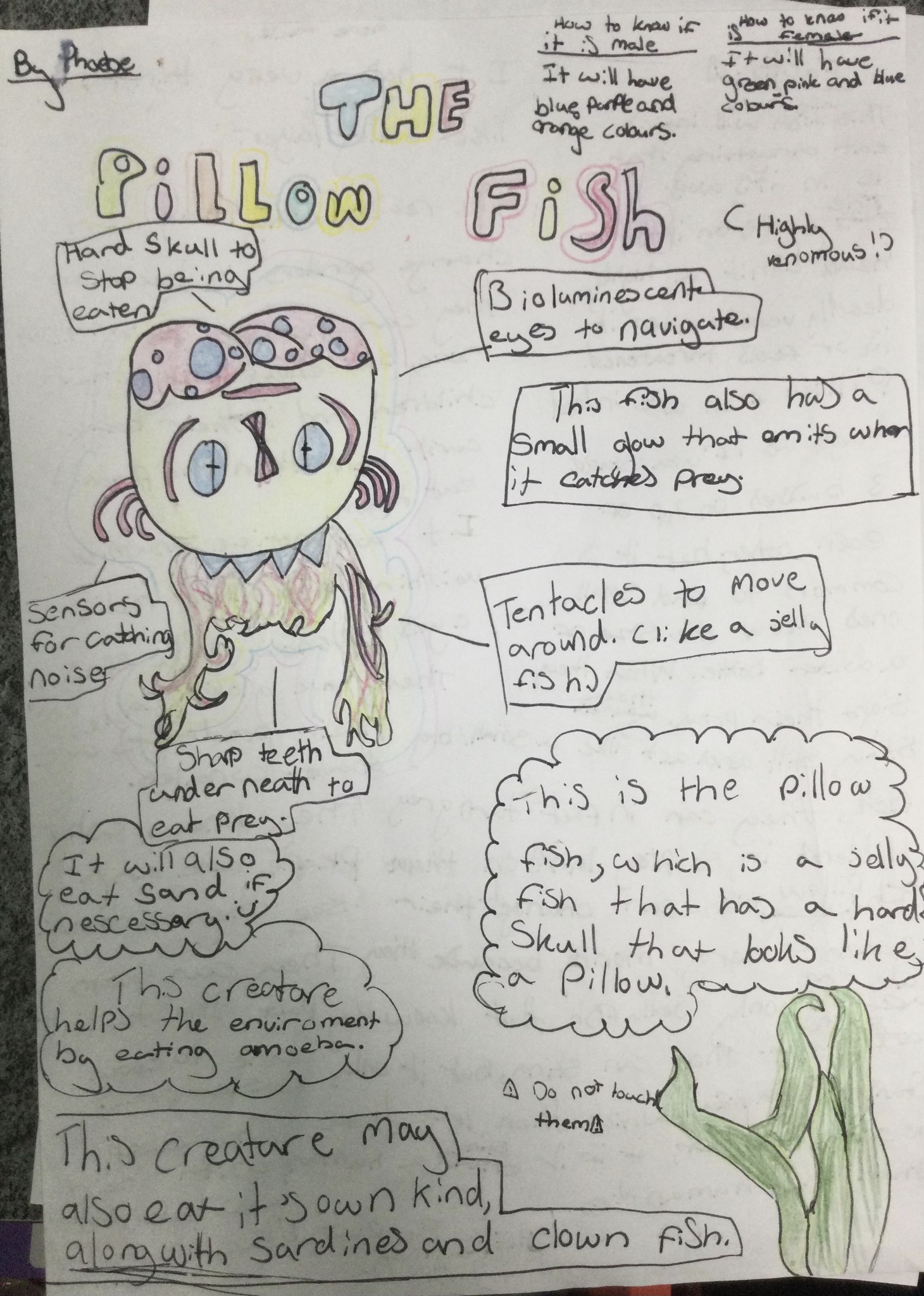
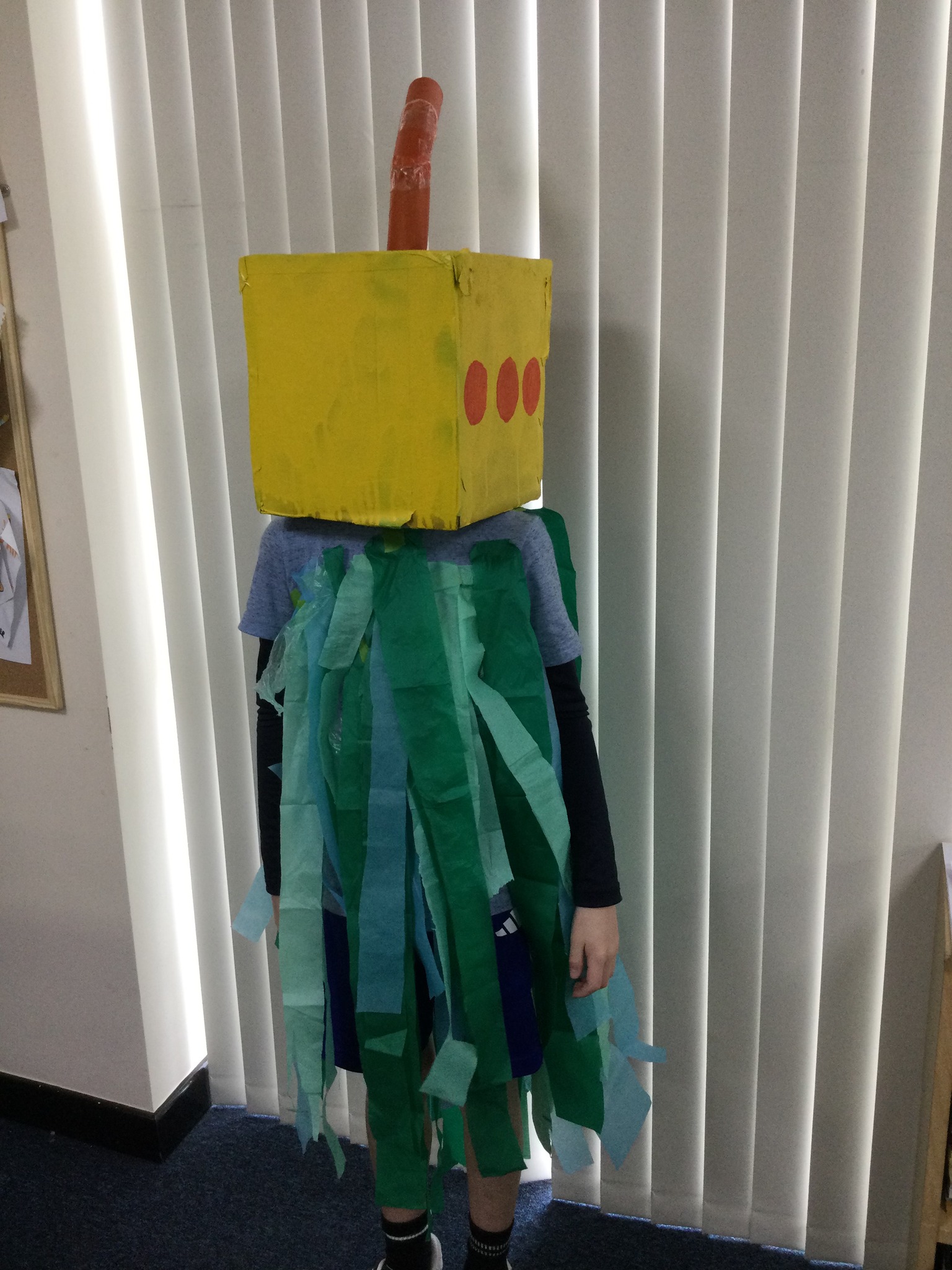
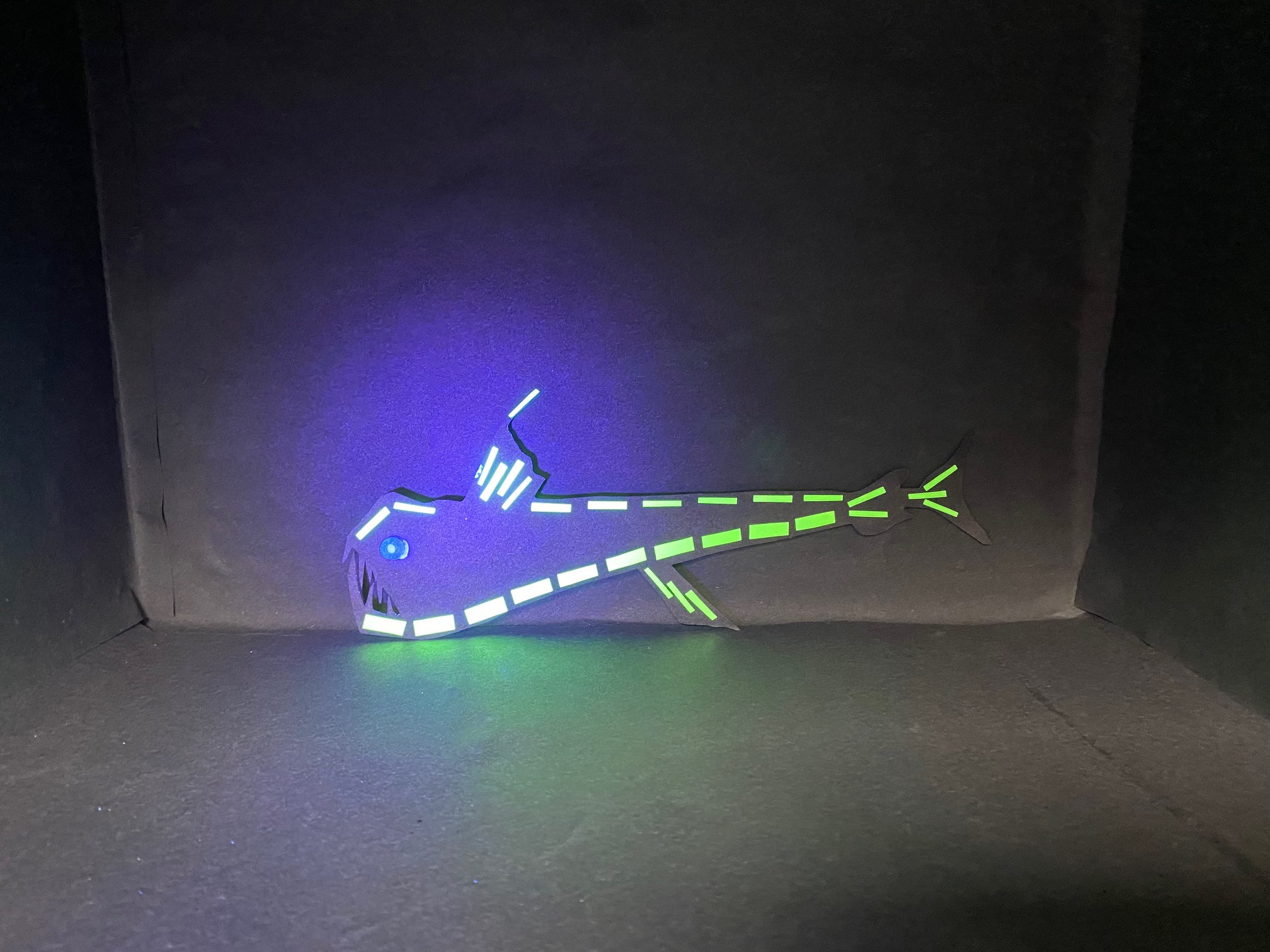
Designing our own sea creatures
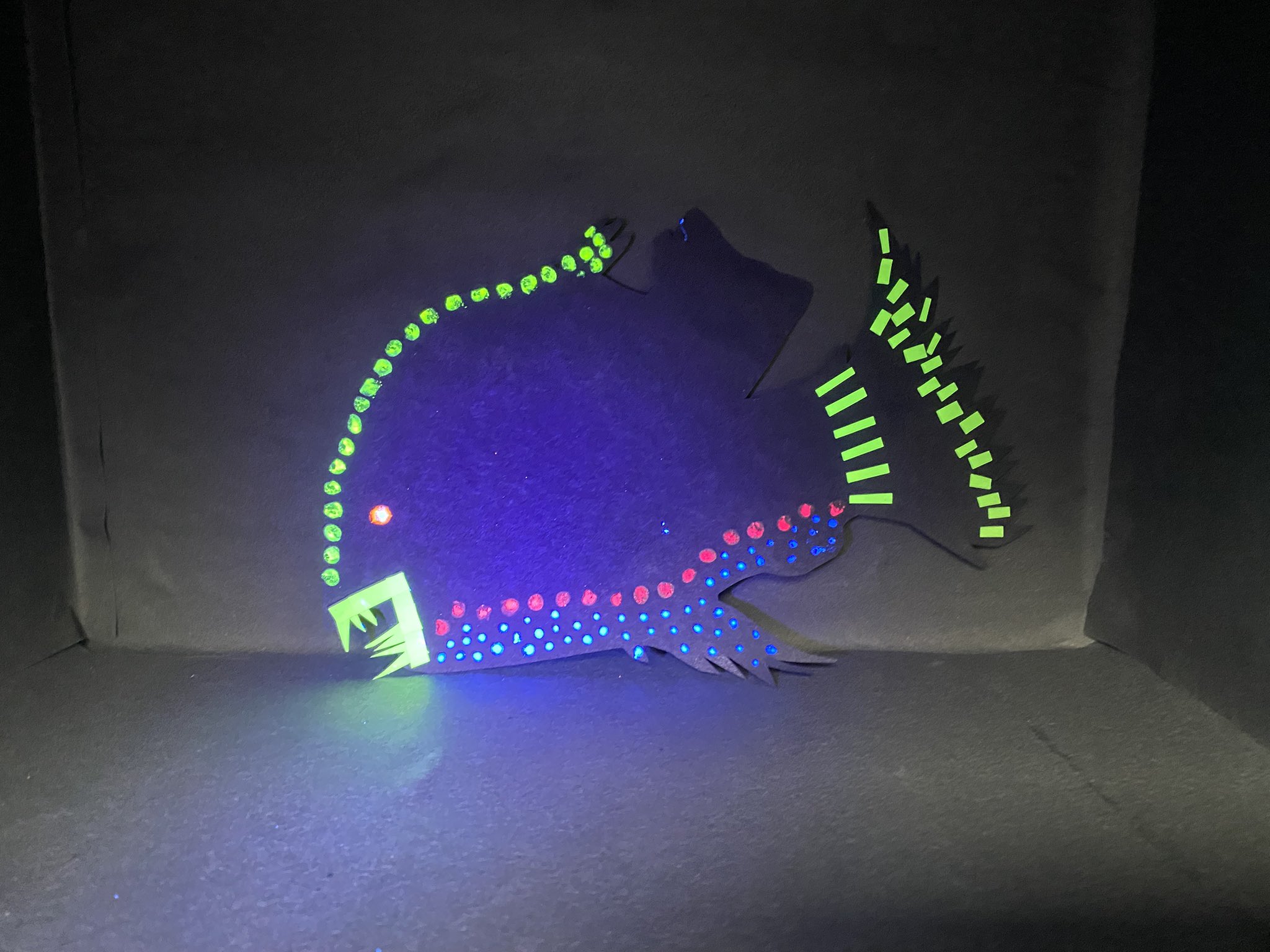
Designing our own sea creatures
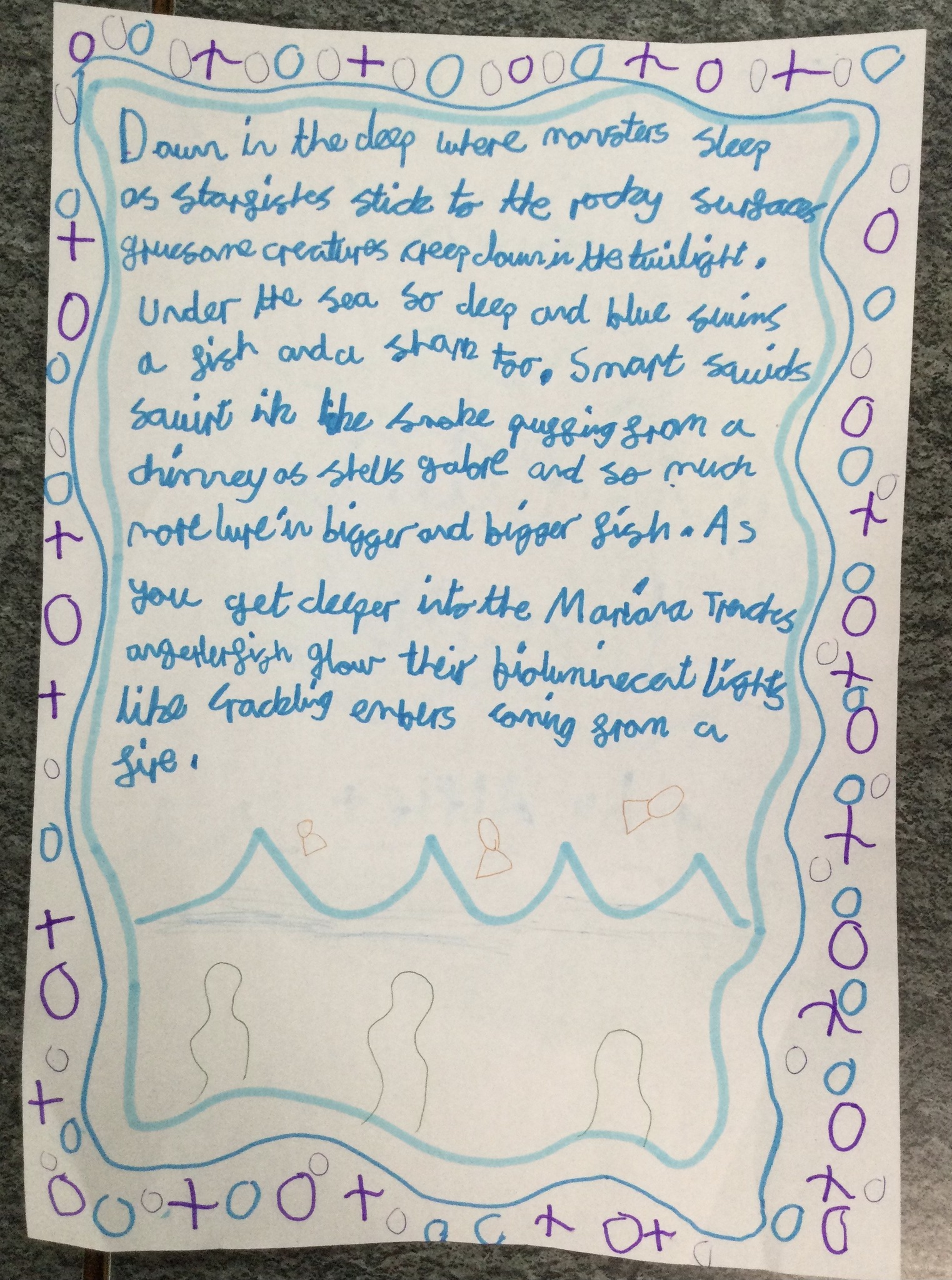
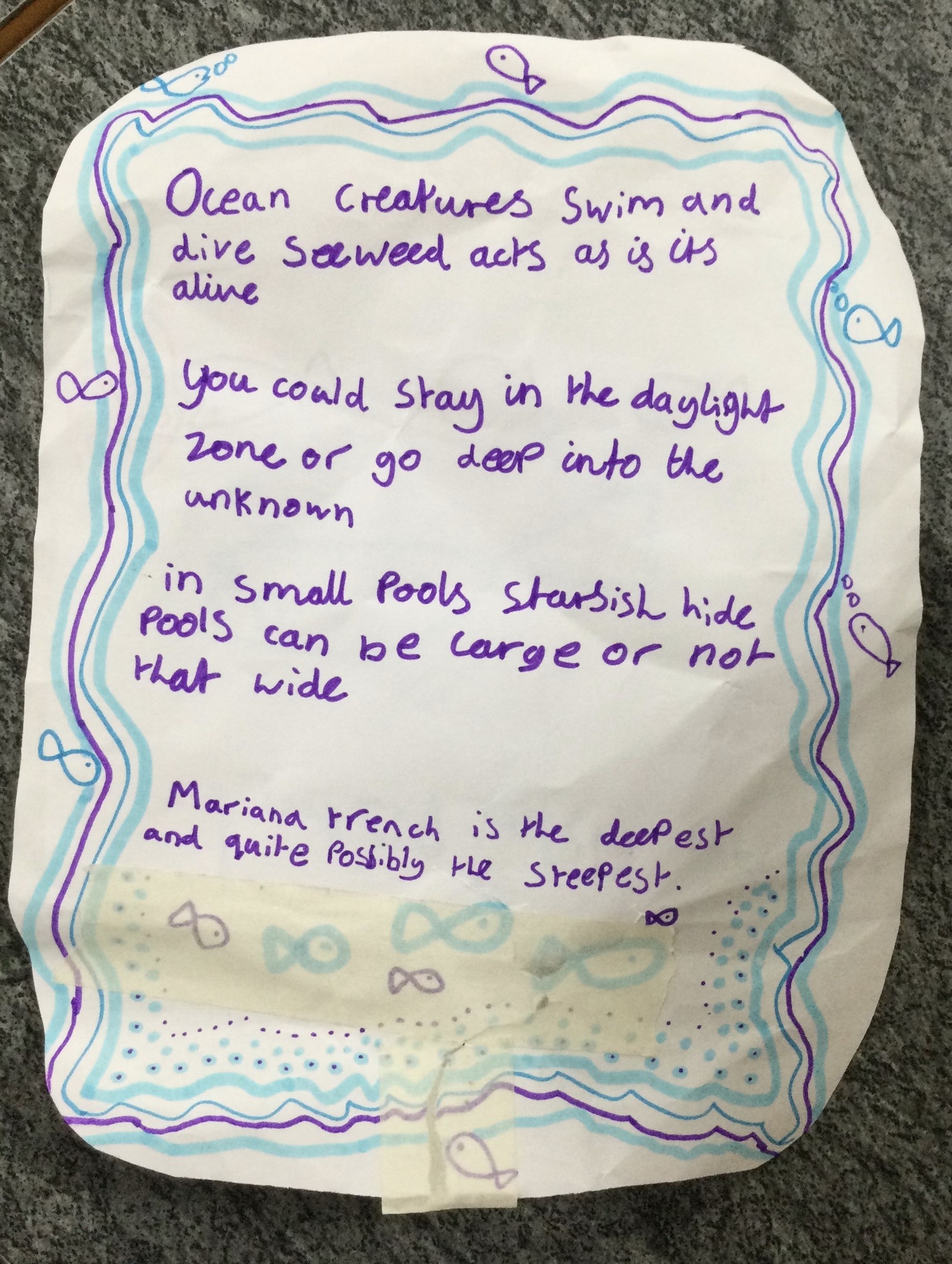
Ocean Poetry
Ocean Poetry
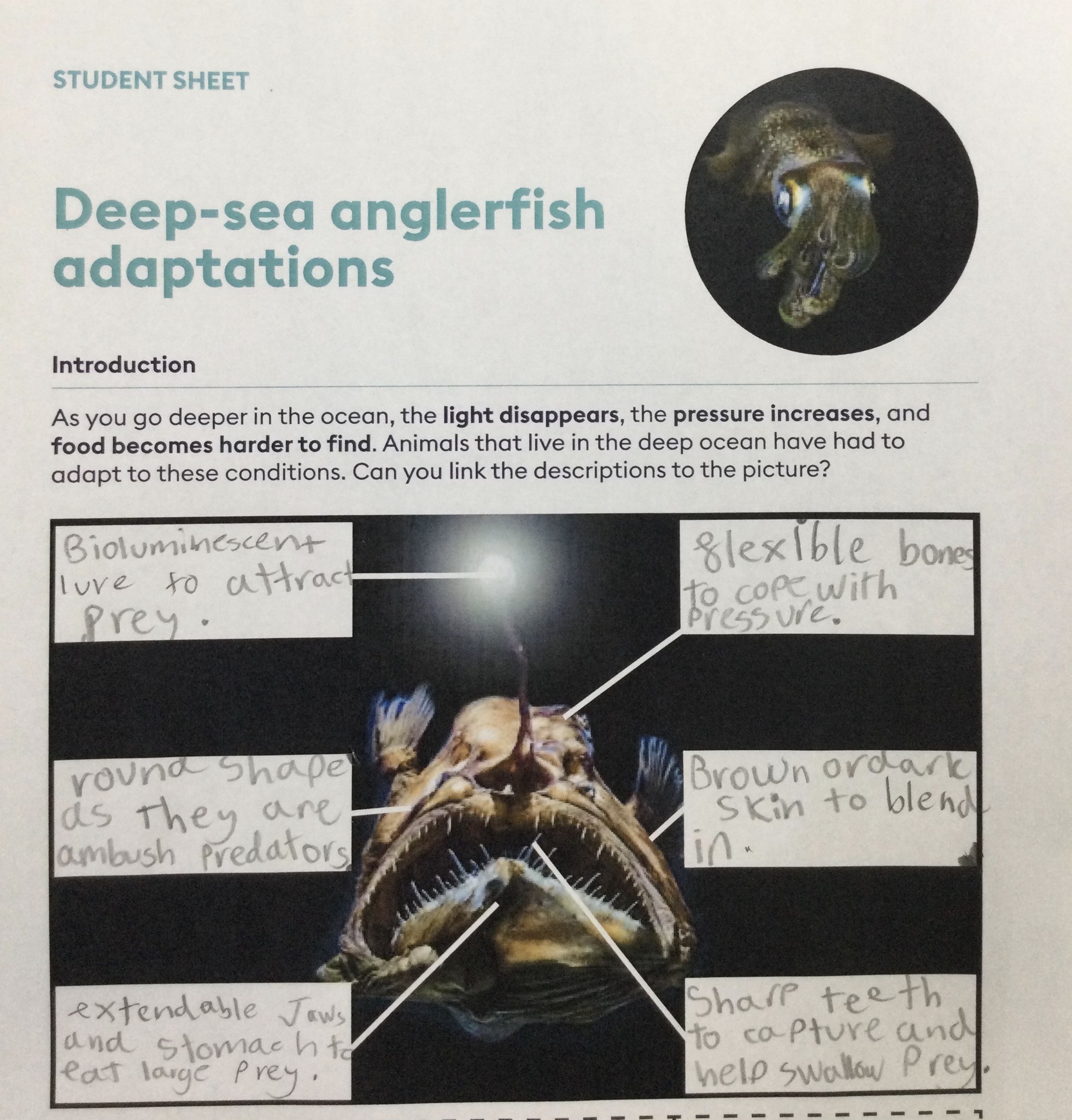
FInding out about fish
Learning from Experts
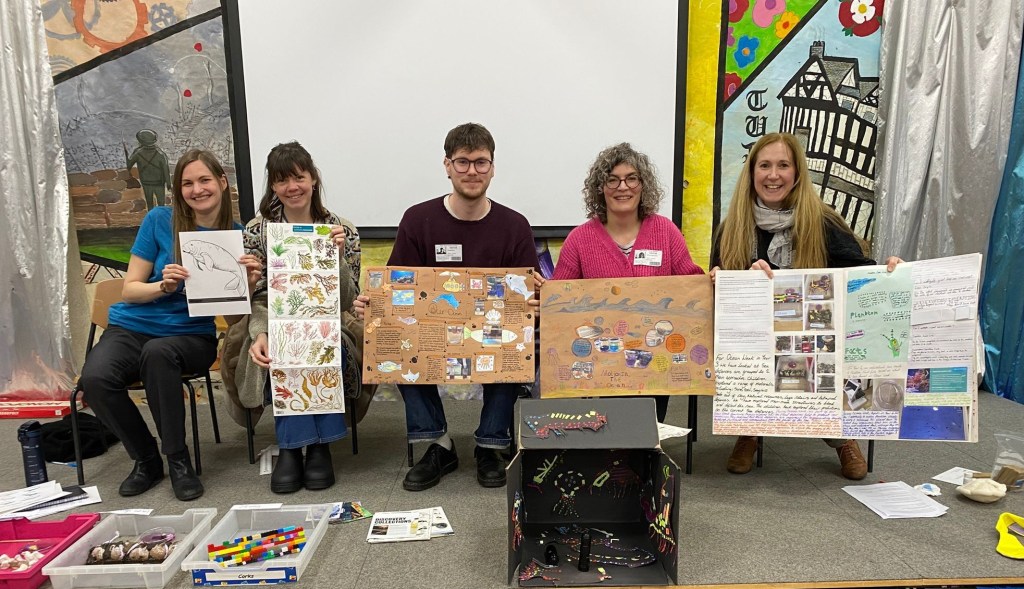
The week culminated in a celebration assembly, to which marine scientists from the National Oceanography Centre in both Southampton and Liverpool had been invited. This provided an opportunity for the children to share their work and for our NOC visitors to act as an expert panel, answering questions posed by the eager pupils. The depth and variety of these questions were a clear indication of how motivated the children had become through the week’s activities:
Why does seaweed grow in the ocean?
Why is there coral in the ocean?
How did the salt get into the ocean?
What is plankton and how much of it is there?
An Ocean Comes to Life
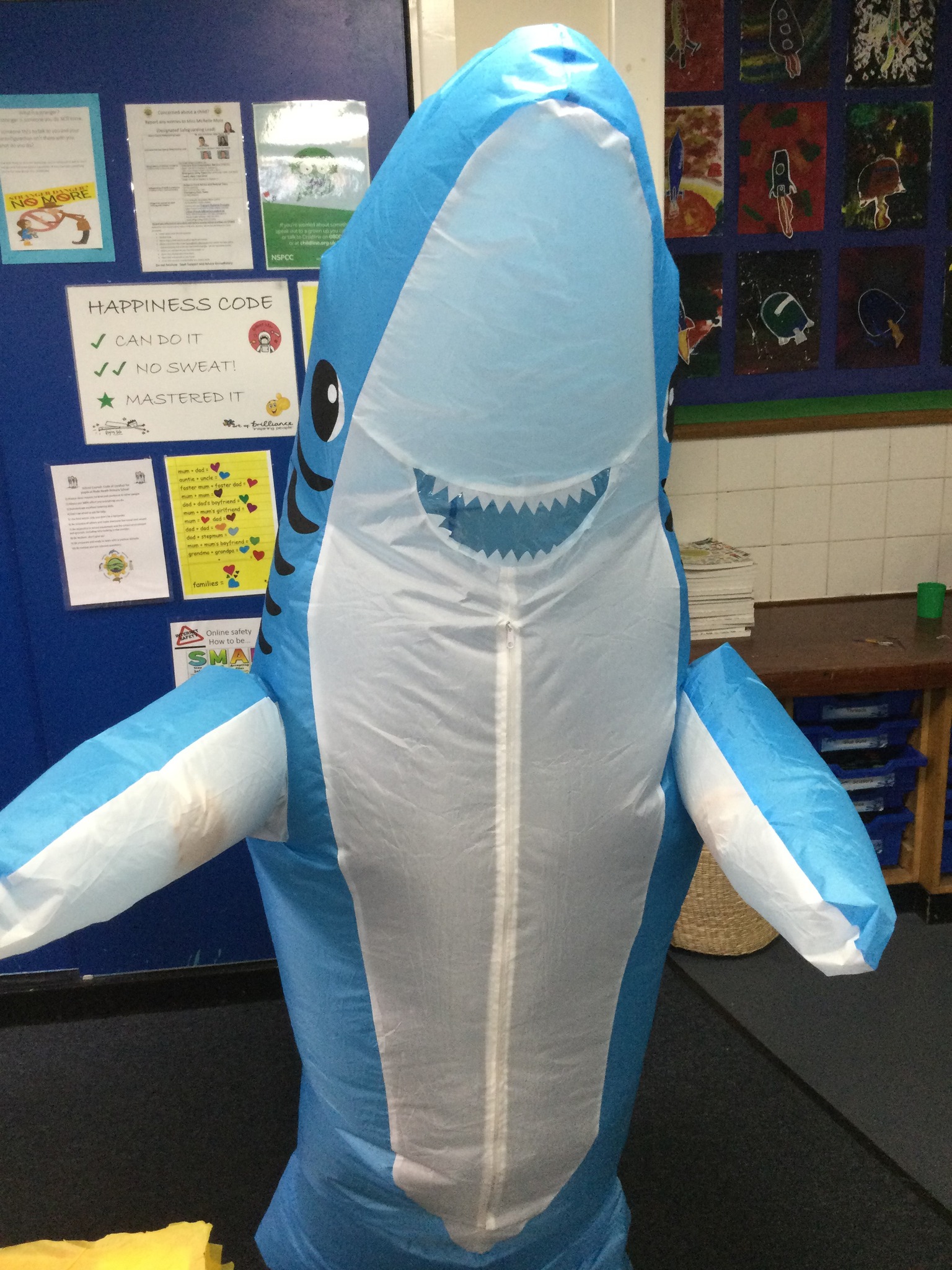
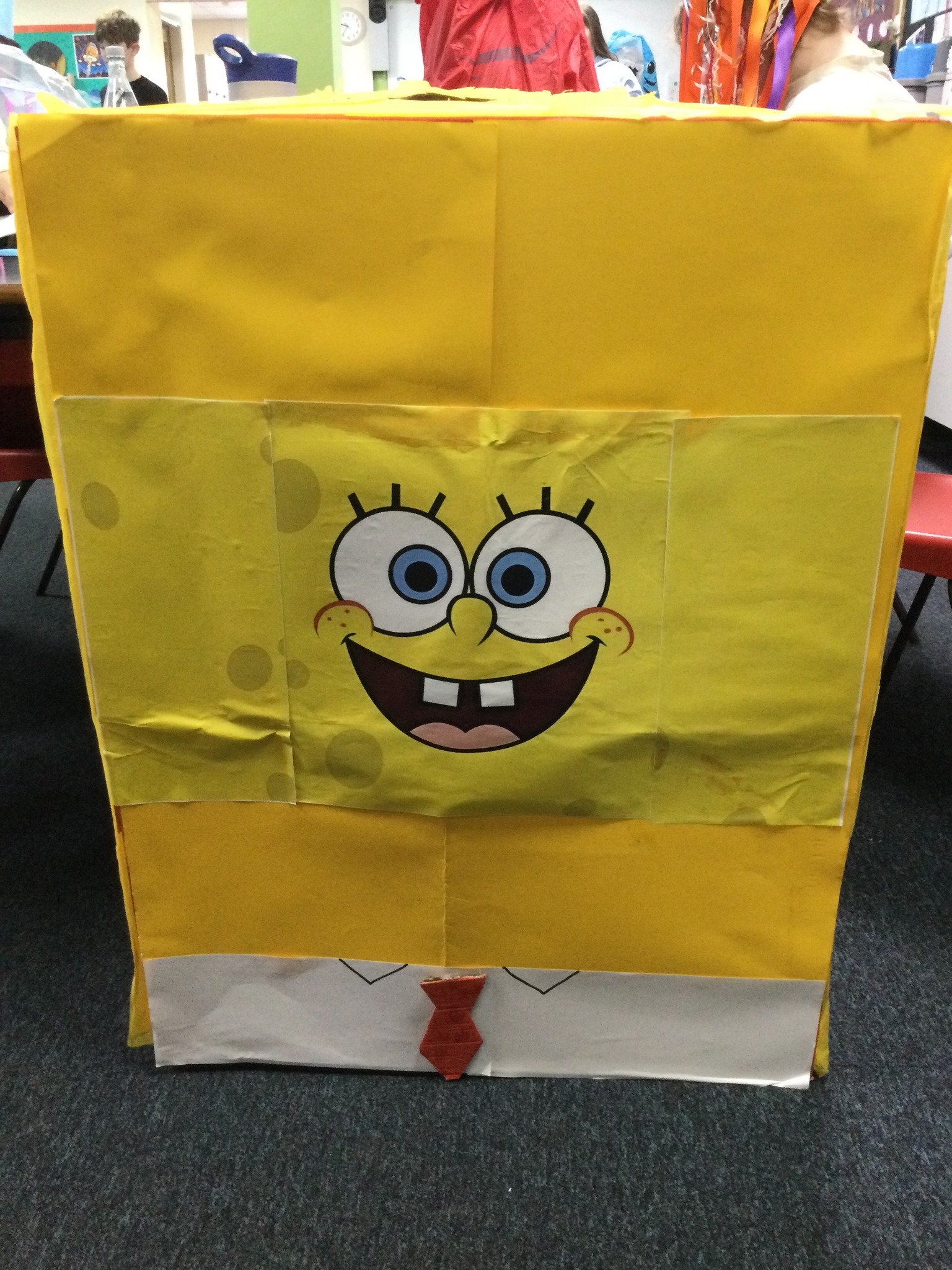
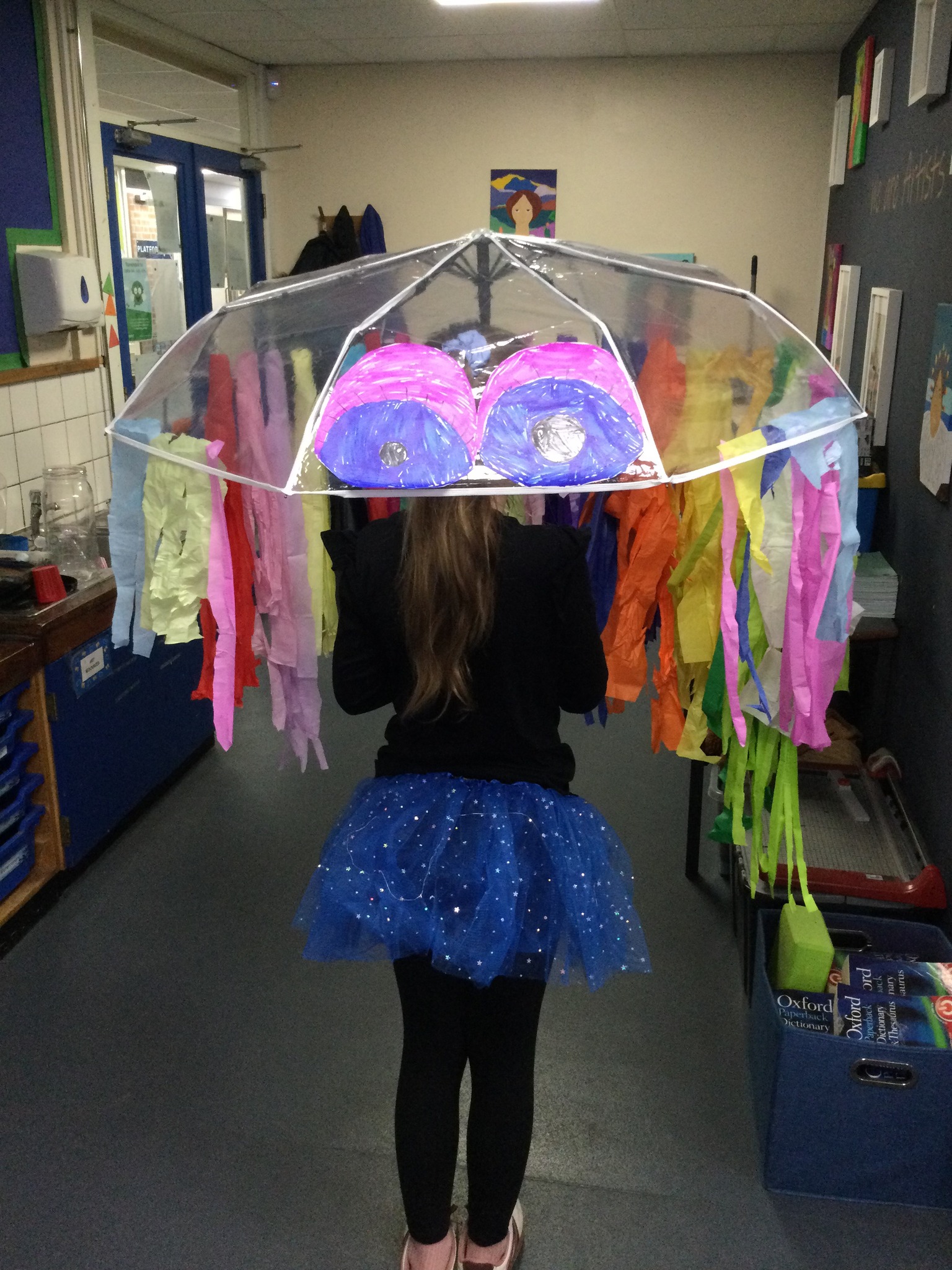
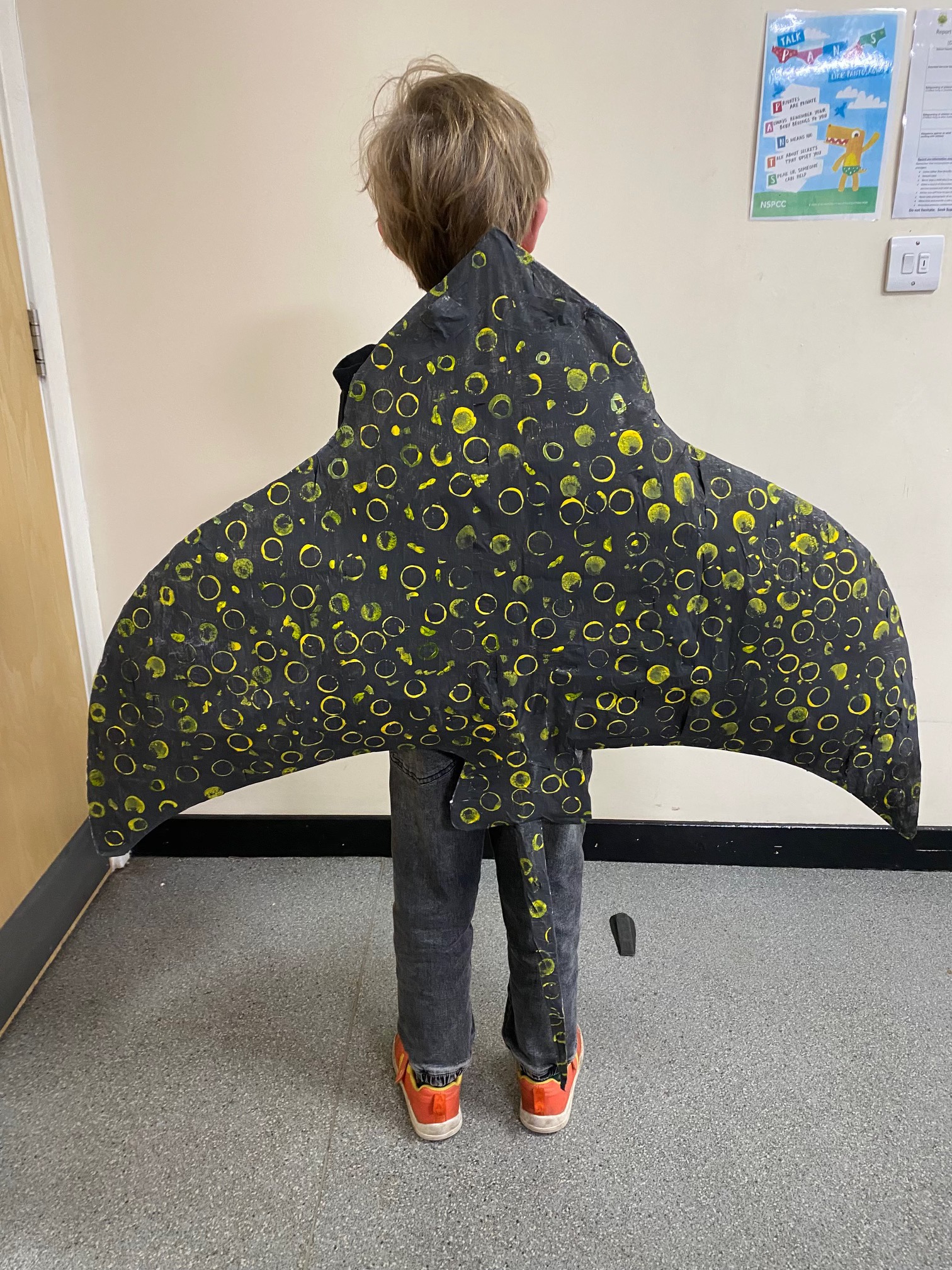
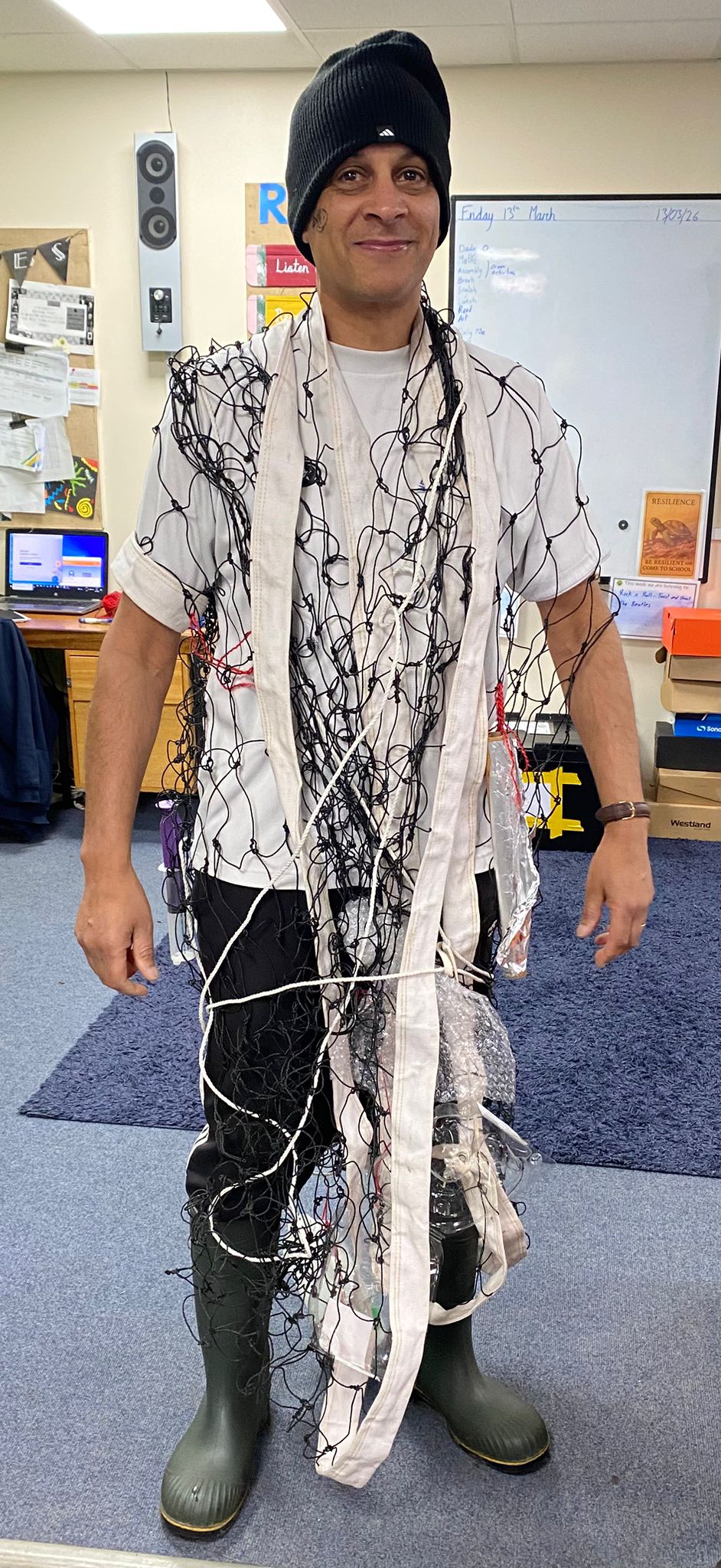
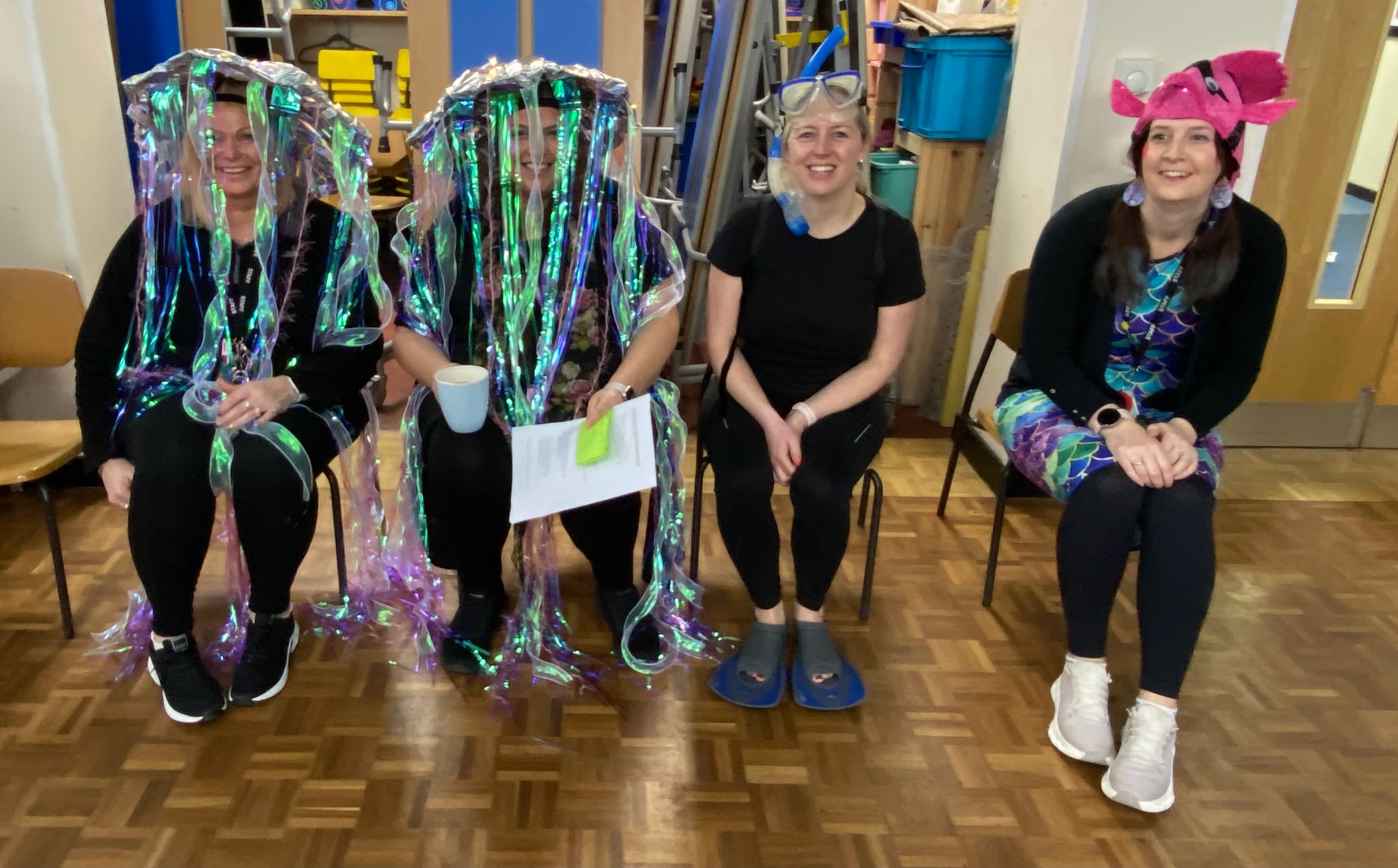
Everyone had dressed for the occasion in costumes inspired by the ocean, and the school hall briefly resembled the ocean floor itself. Sea creatures, divers and even the occasional submersible filled the room in a dazzling array of colour. It was a wonderful sight. The children spoke confidently and eloquently about their experiences and learning throughout the week.
Investigating the Power of the Sea
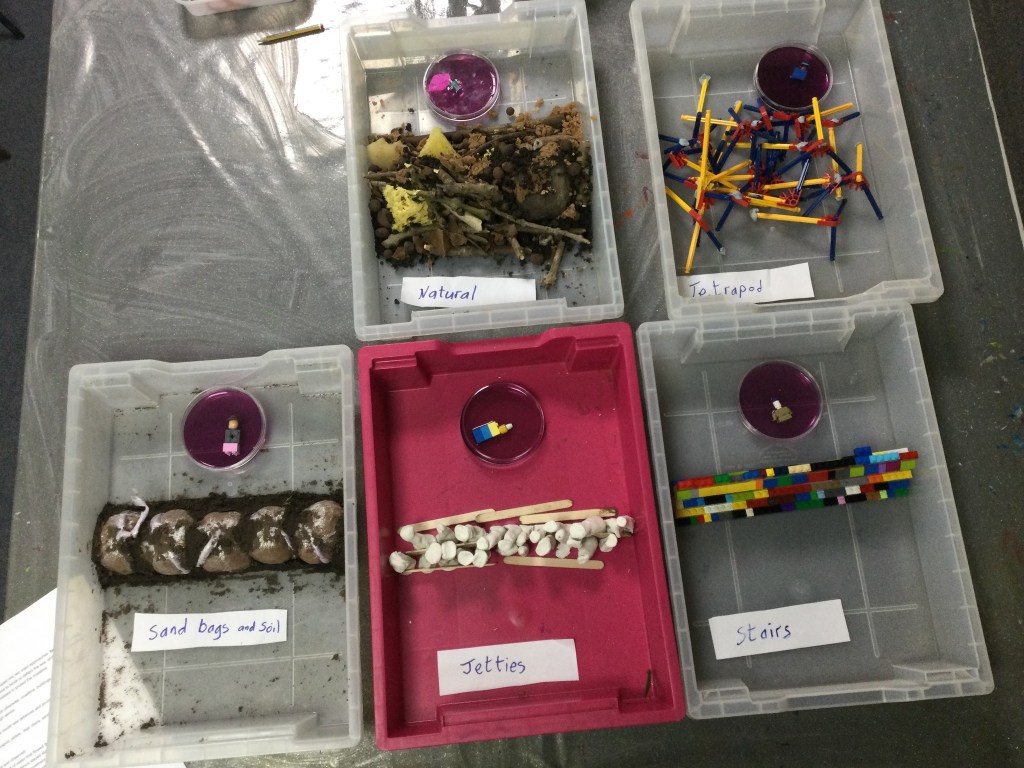
The Year 3 pupils, for example, had looked at different types of flood defences, exploring both natural solutions such as seagrass meadows and man-made structures including jetties and stepped seawalls. During the assembly they demonstrated their investigations by pouring jugs of water over their models to see which design offered the best protection. It was a wonderful example of practical science brought to life.
Sharing Our Experiences
Eventually, we had to bring the assembly to a close. As a token of our appreciation, we presented our visitors with a “Big Book of Ocean Week”, which contained examples of work from every year group across the school. They were genuinely impressed by the quality of the pupils’ work and, in particular, by the depth of understanding the children had developed about the science behind their investigations.
I would like to extend a sincere thank you to Dr Suzanne Maclachlan, who collaborated with me in planning and shaping the week and whose enthusiasm and expertise helped make the project such a success. Our thanks also go to the members of our Ocean expert panel — Sarah Sidders, Marta Payo Payo, Ruth Kennedy and Kai Simpson — for giving up their time to visit Rode Heath, sharing their knowledge with the pupils and answering the many thoughtful questions posed by our young scientists.
For many of the pupils, this week was their first opportunity to think seriously about the ocean — not just as a place of mysterious creatures and crashing waves, but as a vital and fascinating part of our planet that scientists and engineers are working hard to understand and protect. If Ocean Week has helped to spark curiosity in even a few future marine scientists, ocean engineers or conservationists, then it will have been a week very well spent.
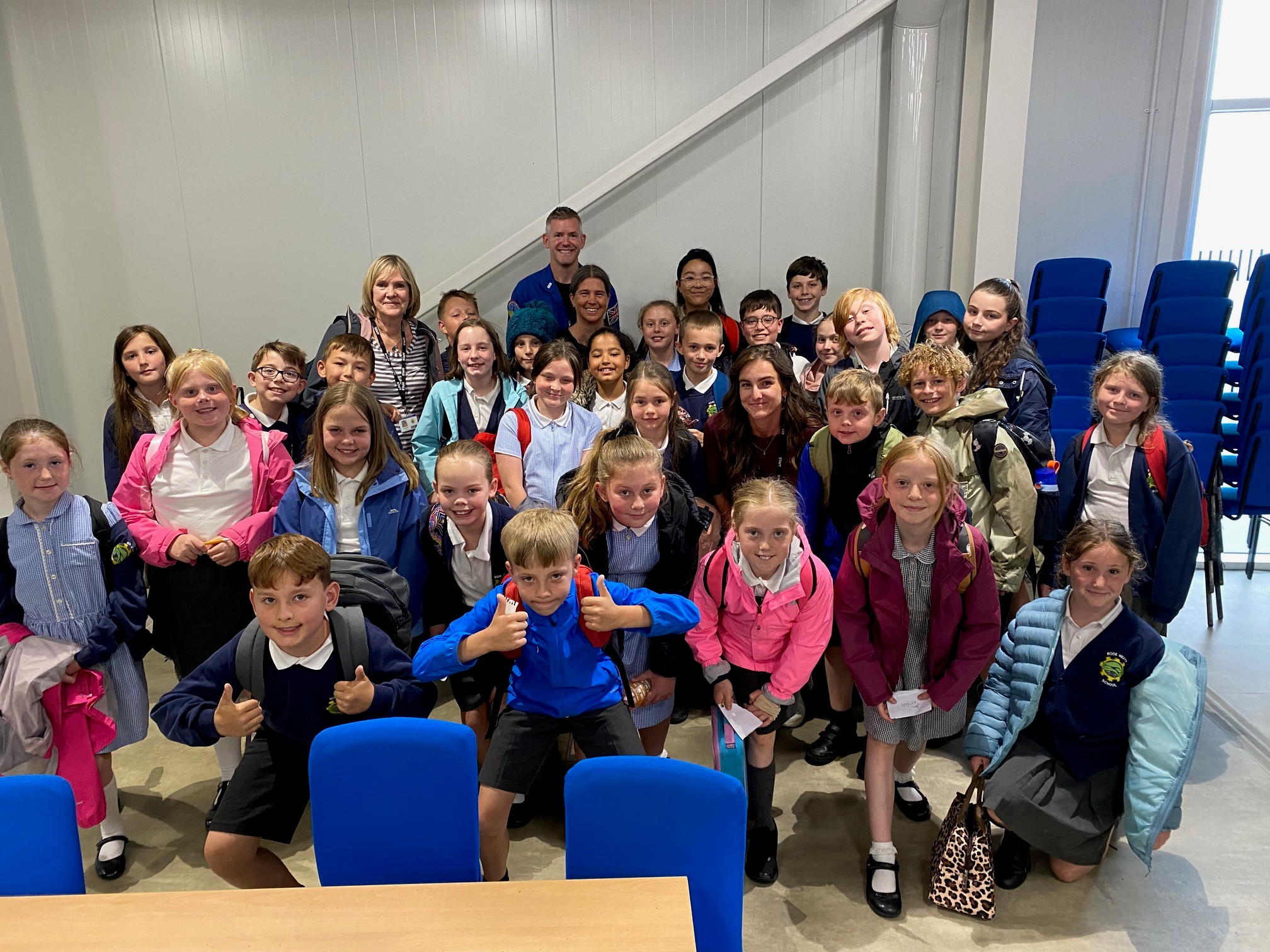
It might have been the final week of term, but there was no slowing down at Rode Heath. One of the most exciting events came in the form of a last-minute visit to Jodrell Bank — and not just any visit. Our pupils had the rare opportunity to meet John McFall, the European Space Agency’s (ESA) first parastronaut.
Rode Heath has long been a champion of space education. Our whole-school space project, Out of This World, in 2014–2015 was even endorsed by astronaut Tim Peake. So it was no surprise that we were one of only two primary schools invited to this special event.
A New Look at an Old Favourite
Although our Year 5 pupils visit Jodrell Bank annually, I hadn’t been since the opening of the new First Light Pavilion — and I was eager to see how it enhanced the experience.
The schedule was tight but well-organised. We explored various parts of the site, including the captivating Space Dome, and of course, attended a workshop with John McFall himself.
The Striking First Light Pavilion
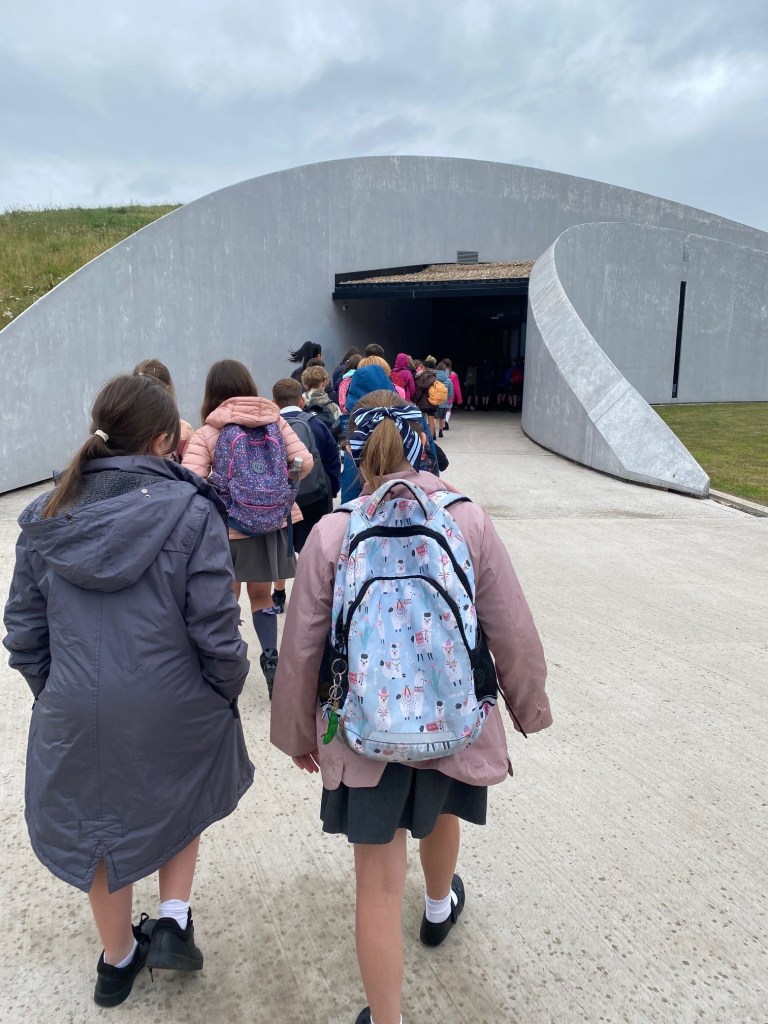
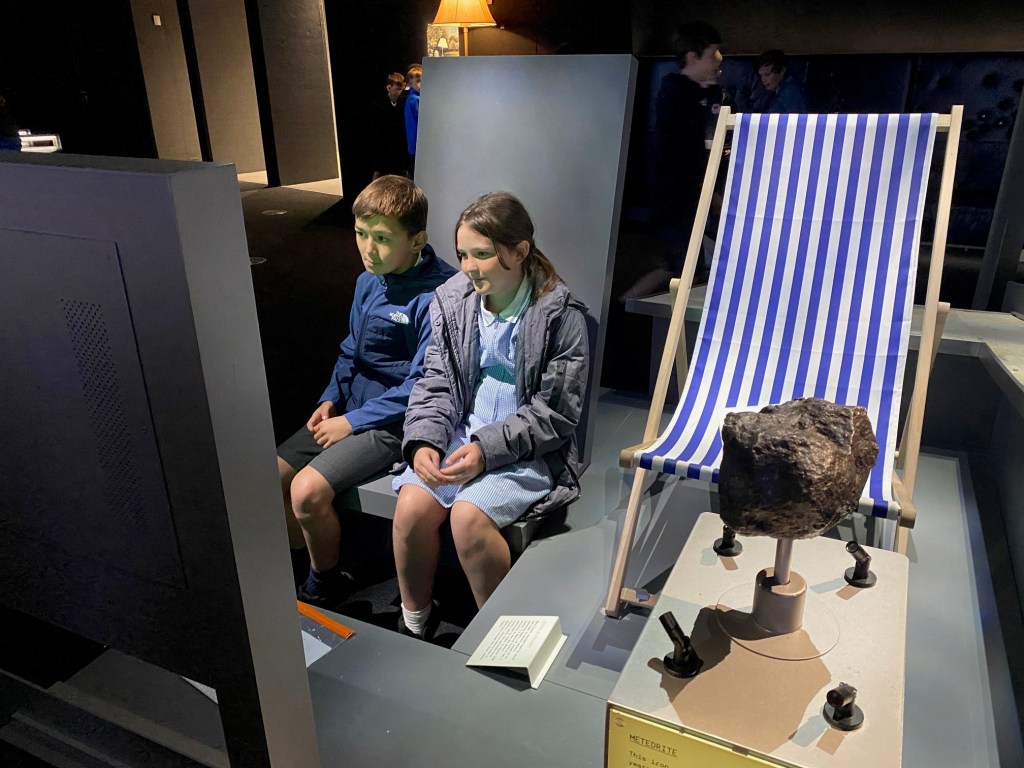
First impressions of the Pavilion were overwhelmingly positive. The architecture is striking — a concrete structure rising from a grassy mound, mirroring the iconic shape of the Lovell Telescope. Inside, we explored the fascinating history of Jodrell Bank through engaging displays and hands-on activities. The children were enthralled: driving a replica of the telescope, completing interactive quizzes, and discussing their discoveries with each other.
A Magical Space Dome Experience
Next, we headed to the Space Dome. Even though our Year 5s had seen the show earlier in the year, they were once again mesmerised. There is always something new to learn, and their questions showed just how much curiosity had been sparked.
Meeting John McFall: A True Inspiration
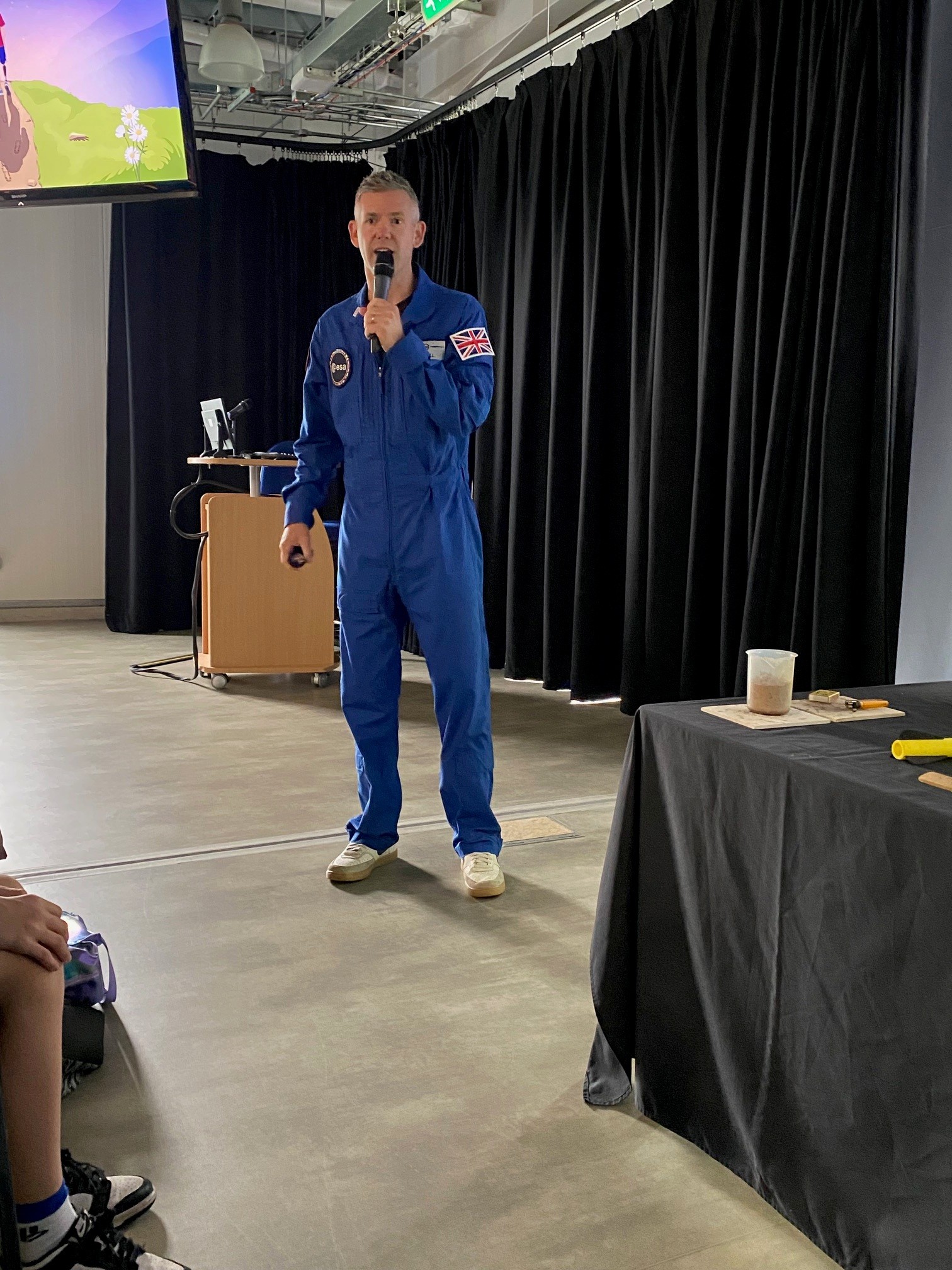
After lunch, we gathered in the Wolfson Auditorium to hear from John McFall. His story was nothing short of inspirational. He spoke about becoming ESA’s first physically impaired astronaut and encouraged the children to “always go that extra mile… life will reward you.”
John lost a leg in a motorcycle accident at 19, but he didn’t let that stop him. A passionate sportsman, he trained to become a professional Paralympic athlete, going on to win a bronze medal for Team GB in the 100m sprint at the Beijing 2008 Paralympic Games.
At 28, he went back to university — already holding two degrees — to train as a doctor. In 2016, he became a member of the Royal College of Surgeons and now works as a Trauma and Orthopaedic Specialist Registrar in the south of England.
So, when ESA launched a feasibility study exploring how to send a physically impaired astronaut to the ISS, John jumped at the chance — and was selected. He shared photos and insights from his 18-month training, and the children were amazed by the intensity and breadth of the preparation.
Hands-On Astronaut Training
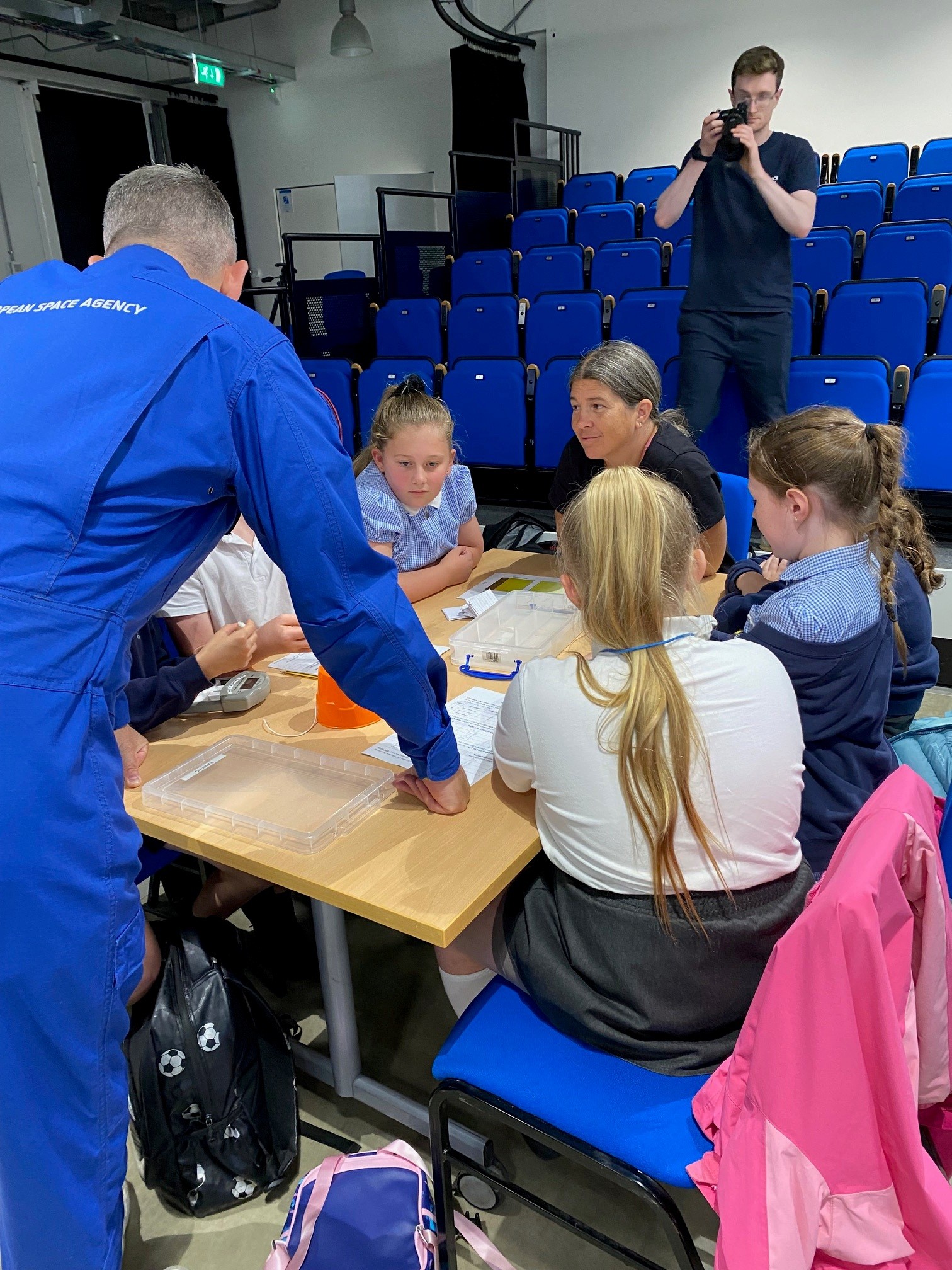
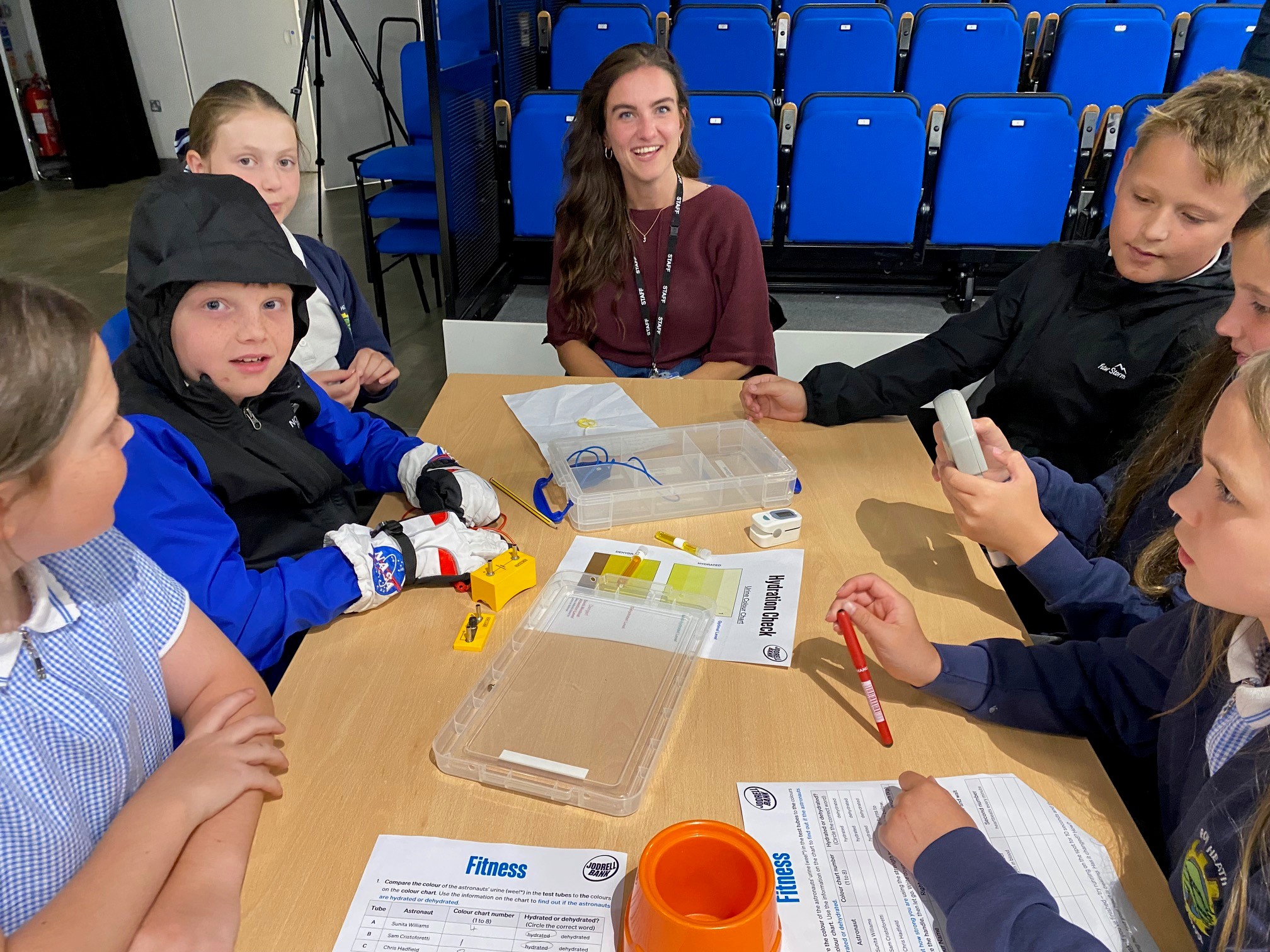
After his presentation, John led a series of interactive, space-themed challenges. The children tested their strength, measured their blood oxygen levels, and attempted to build circuits while wearing bulky astronaut gloves — a real test of perseverance and teamwork! It reminded me of my own experiences as an ESA Space Ambassador during Tim Peake’s Principia Mission.
John moved among the groups, speaking to the children, encouraging them, and making each of them feel seen and valued. His humility and warmth made a lasting impression.
Looking to the Stars
Too soon, the day came to an end. We returned to school, full of stories and inspiration to share. Our Year 5s were buzzing with excitement — and we know they’ll be following John’s journey closely as he prepares for his first mission to the ISS.
As we said goodbye to our Year 6 pupils in their final assembly, we reflected on John’s powerful words: “Always go that extra mile… life will reward you.” A badge with this very quote is stitched onto his ESA flight suit — a lasting reminder of where resilience, curiosity, and determination can take you.
2025 is a landmark year for Rode Heath, marking a decade since we first launched our Out of This World project—an unforgettable, space-themed adventure that united our entire school in discovery and innovation.
Out of the World
Back in 2015, every child, from Reception to Year 6, received their own Space Passport and embarked on a journey filled with awe-inspiring experiences. We sent a balloon into space; had access to an authentic Russian Sokol spacesuit, and even 3D-printed tools for astronauts aboard the ISS. One of our proudest moments, was a live 30-minute Google Hangout with Tim Peake, where the whole school gathered at Manchester Metropolitan University in Crewe to speak with him via ESA’s mission control in Germany.
Celebrating Space
To celebrate the 10th anniversary of this incredible project, we decided to bring space back to Rode Heath and reignite the passion, curiosity, and wonder that made Out of This World so special. That’s why we decided that this year’s Science Week would be entirely space-themed with all our curriculum subjects devoted to this engaging topic. This required some careful planning, but using ESERO’s Space Week booklet as a starting point, Miss Watson and I set to work. (https://www.stem.org.uk/resources/elibrary/resource/448002/how-plan-and-run-your-own-space-week)
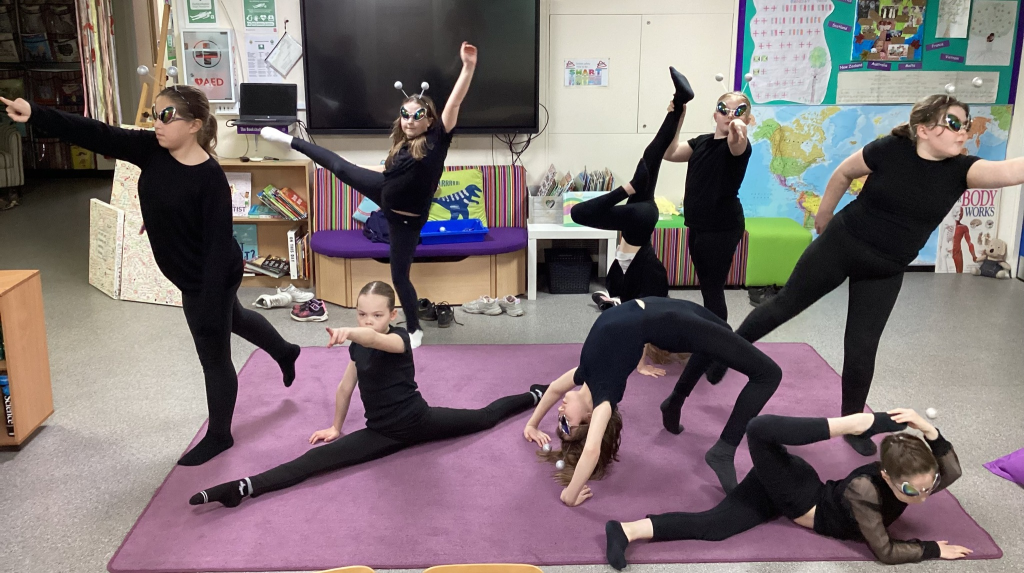
The Dance Group led by Mrs Pecora created their own space dance
Bring the Universe into school
A highlight of the week was a visit from the Wonderdome Mobile Planetarium (https://wonderdome.co.uk/) a great resource that brought the wonders of the universe right into our school. Our presenter, Curtis, worked tirelessly throughout the day, delivering engaging, tailored sessions to each of our seven year groups. The Year 6 session, which explored the potential for life on other planets, was particularly relevant, as it tied in perfectly with our current science sessions on micro-organisms, helping to deepen and consolidate the children’s understanding.
For many pupils, this was their first experience inside a planetarium, and their excitement was unmistakable—their eyes wide with wonder as they journeyed through space in an immersive, 360-degree experience.
We started the week with a special assembly, reminiscing about some of the most unforgettable moments from our Out of This World project and unveiling the exciting plans ahead. A decade ago, we had built a strong connection with Tim Peake, and we dared to hope that, somehow, we might reach him again. If we could just get a message through, perhaps he’d record a short video to launch our celebrations.
After weeks of persistence, countless inquiries, and a fair bit of determination, we finally managed to get our request to him—and we were not disappointed. Despite his demanding schedule, Tim took the time to send us a personal message, inspiring a new generation of learners just as he had done ten years before.
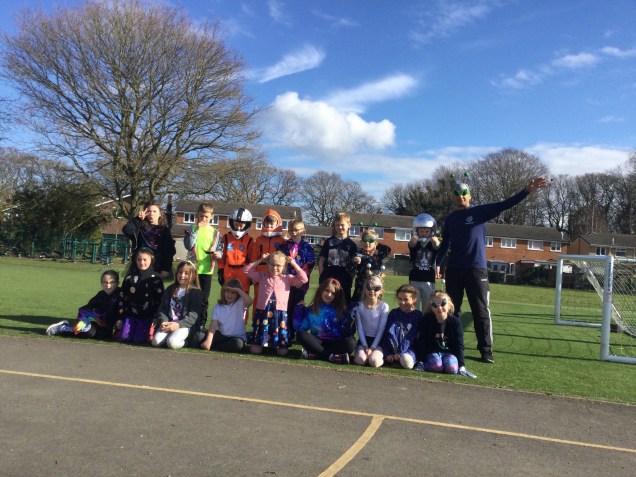
On Friday, the entire school came together to celebrate the week’s achievements in a lively and colourful finale. The day had been designated a space-themed dress-up day, and the creativity on display was truly out of this world. From astronauts to aliens, rockets to planets, pupils and parents alike had embraced the spirit of the event with impressive enthusiasm.
A special mention should go to our Year 5 Space Ambassadors, who had worked tirelessly throughout the week, supporting each class in their space explorations. They decided to make their mark in a different way—dressing up as Minions, while Miss Watson and Mrs. Harrop hilariously took on the roles of the mischievous Gru and his wife, Lucy. Their infectious energy set the perfect tone for a joyful end to an unforgettable week.
Cross Curricular Learning
Below are just a few examples of the incredible work produced throughout the week—a testament to the enthusiasm and creativity of both staff and pupils. The level of engagement exceeded all expectations, with almost every subject embracing the space theme. From music, art, and design & technology to computing, science, English, and maths, space truly proved to be a limitless source of inspiration.
One thing is certain: space never fails to ignite curiosity. Who knows? Among our young learners, there may well be future scientists, engineers, or even astronauts—perhaps some destined to venture to Mars one day.
Year 1 – resplendent in their Space costumes
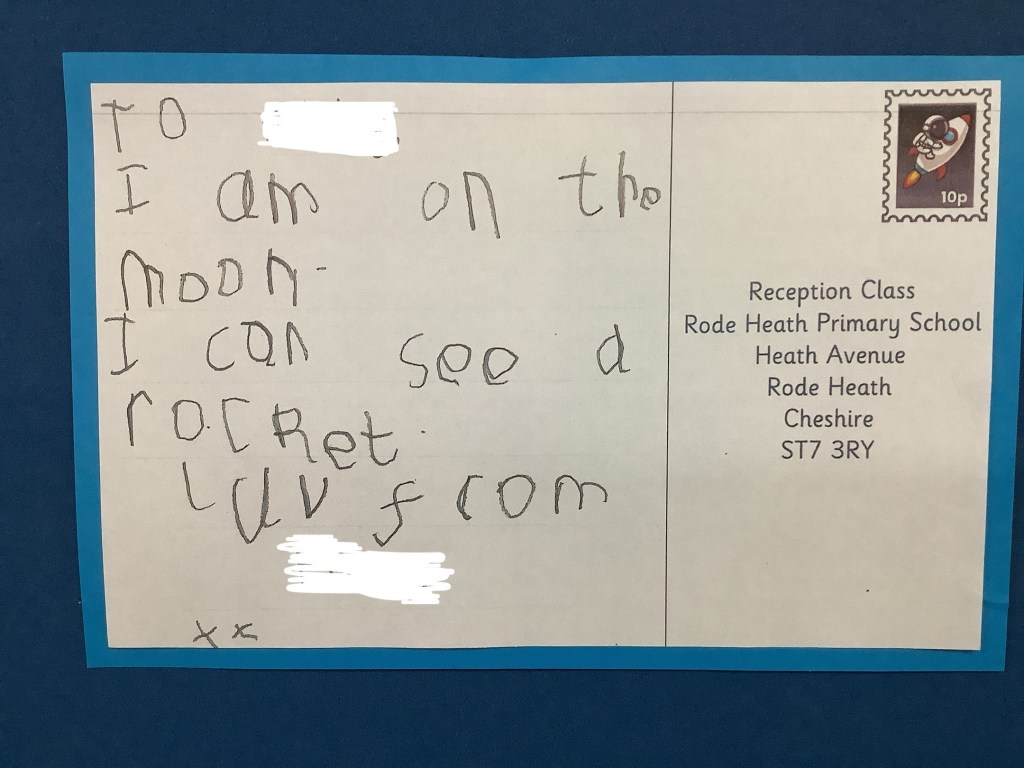
Reception
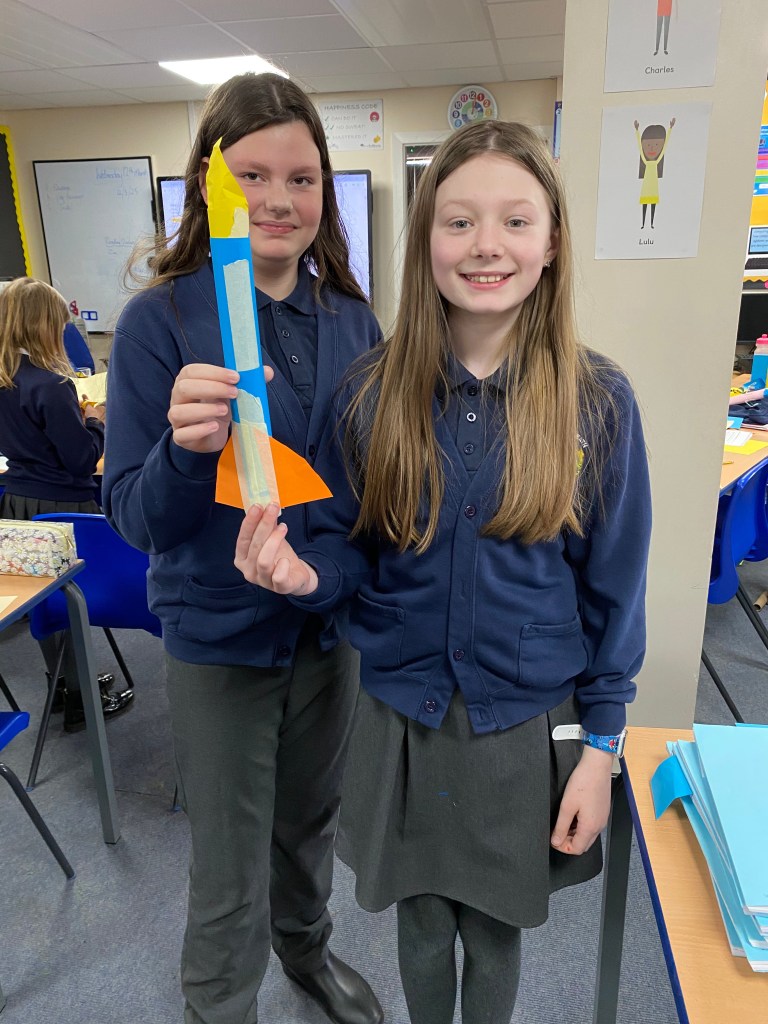
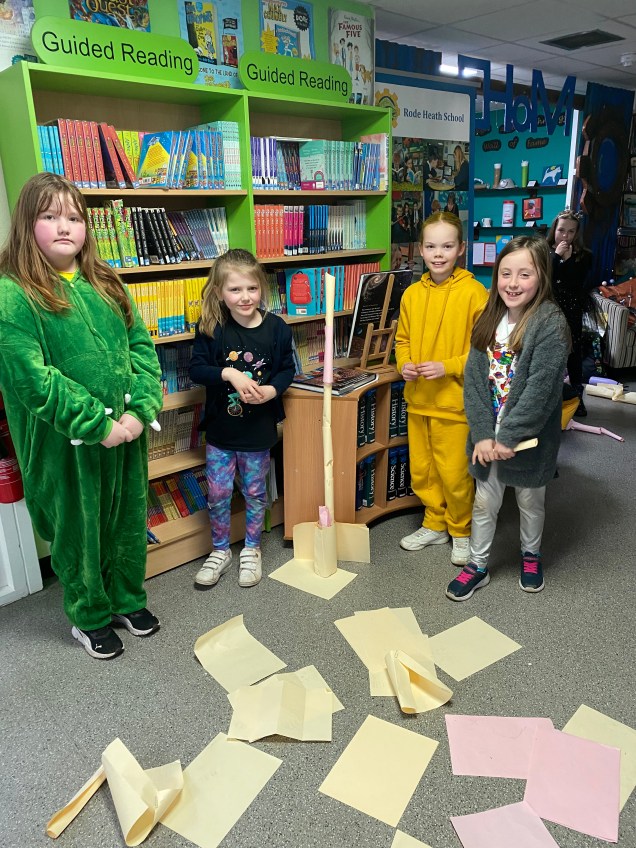
Year 6 – The Rocket Catcher Challenge
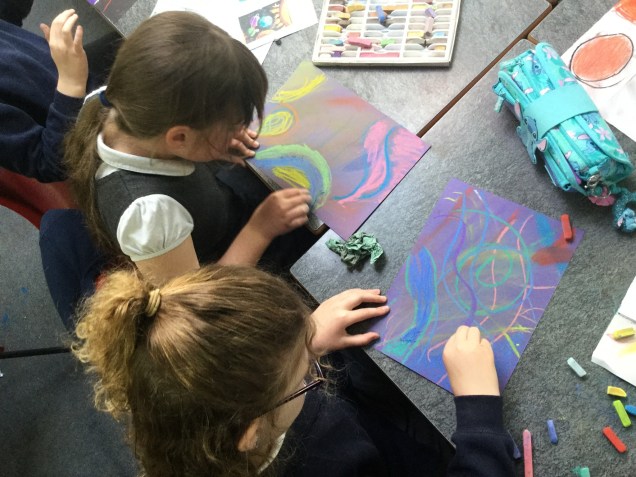
Space in Year 4
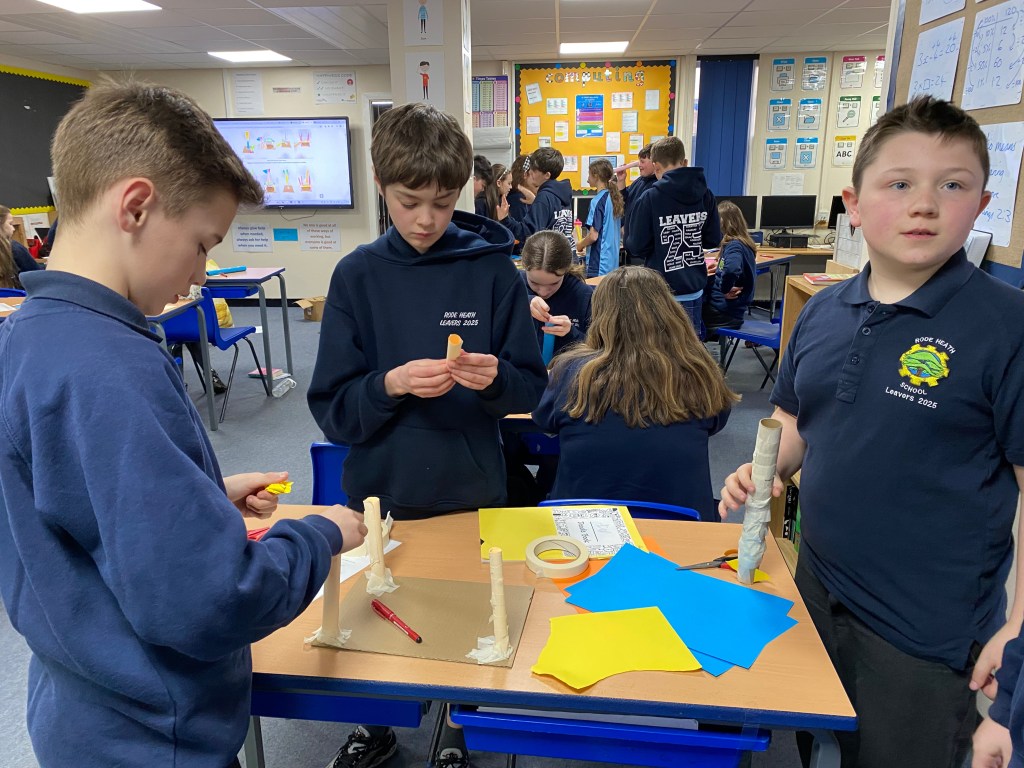
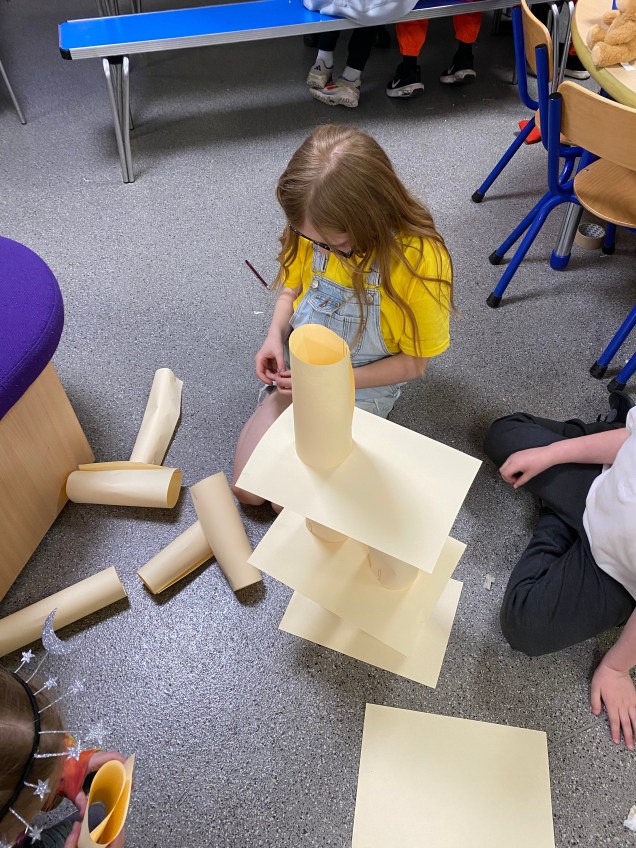
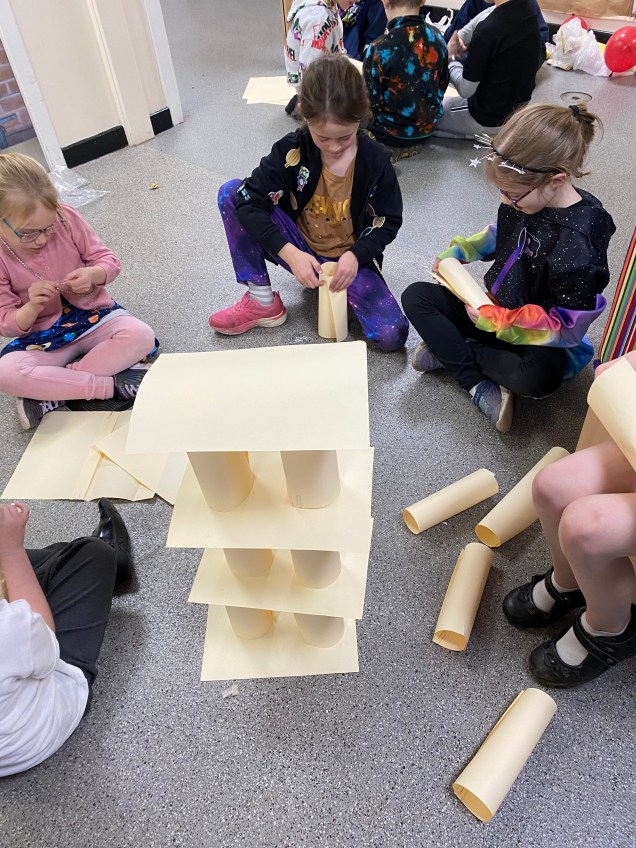
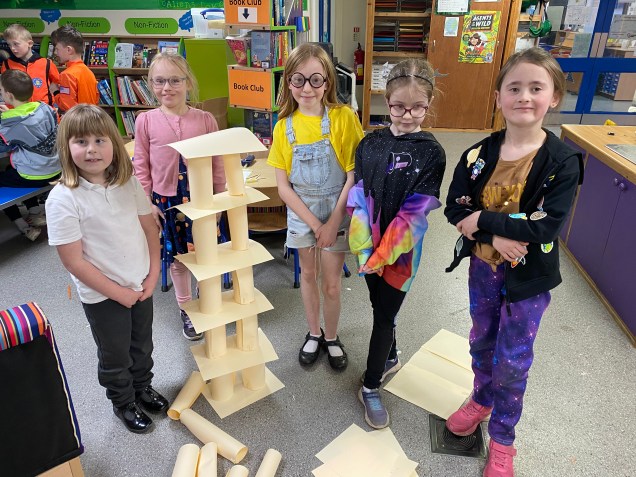
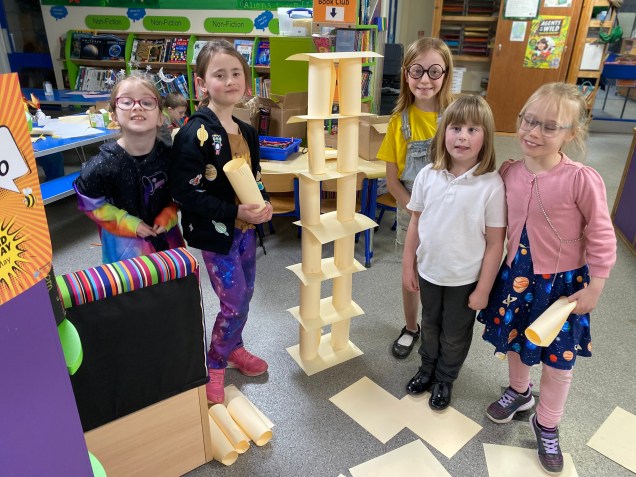
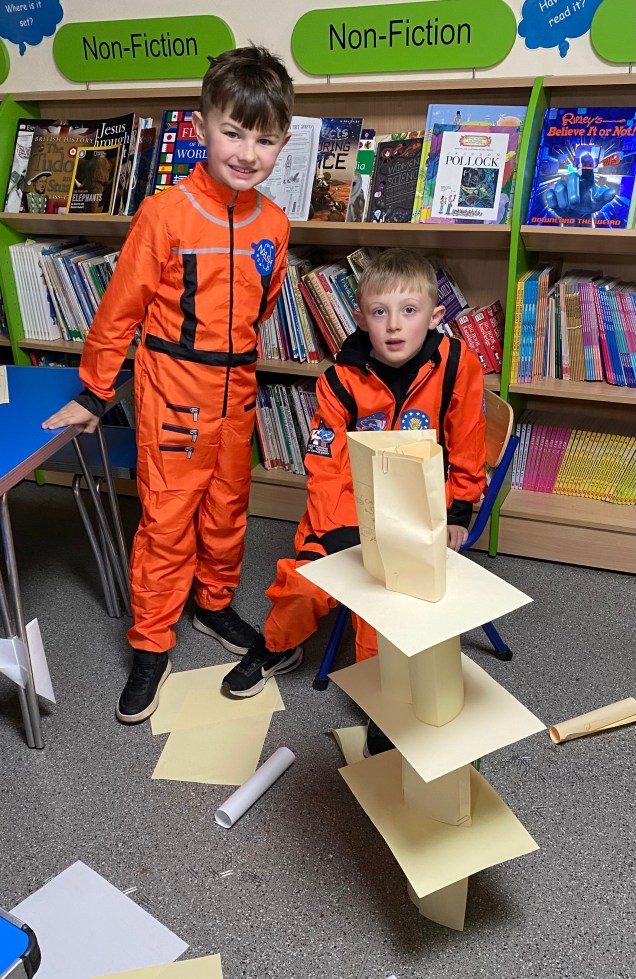
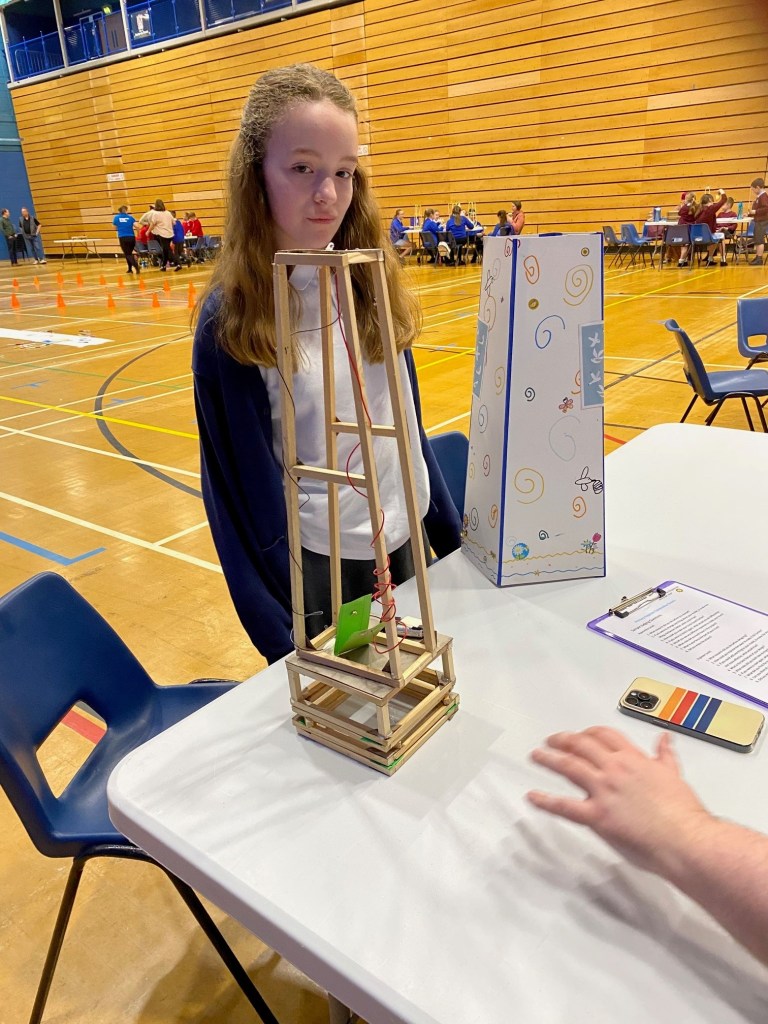
Astronaut Tower Challenge in Year 3
Diary from Year 5
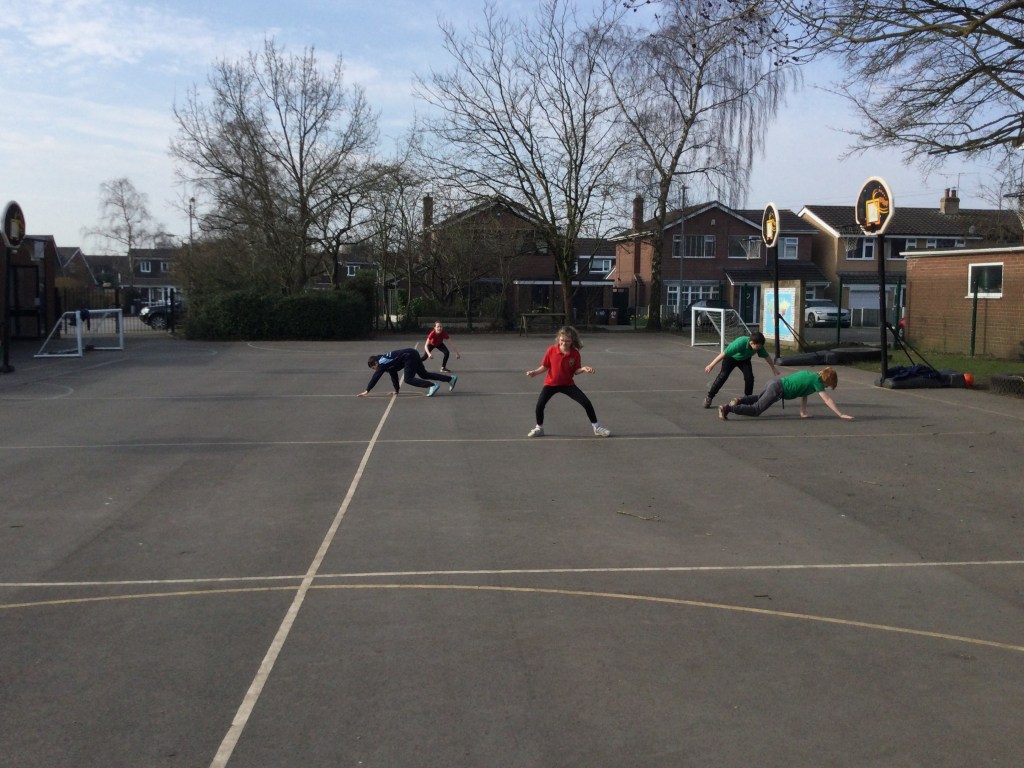
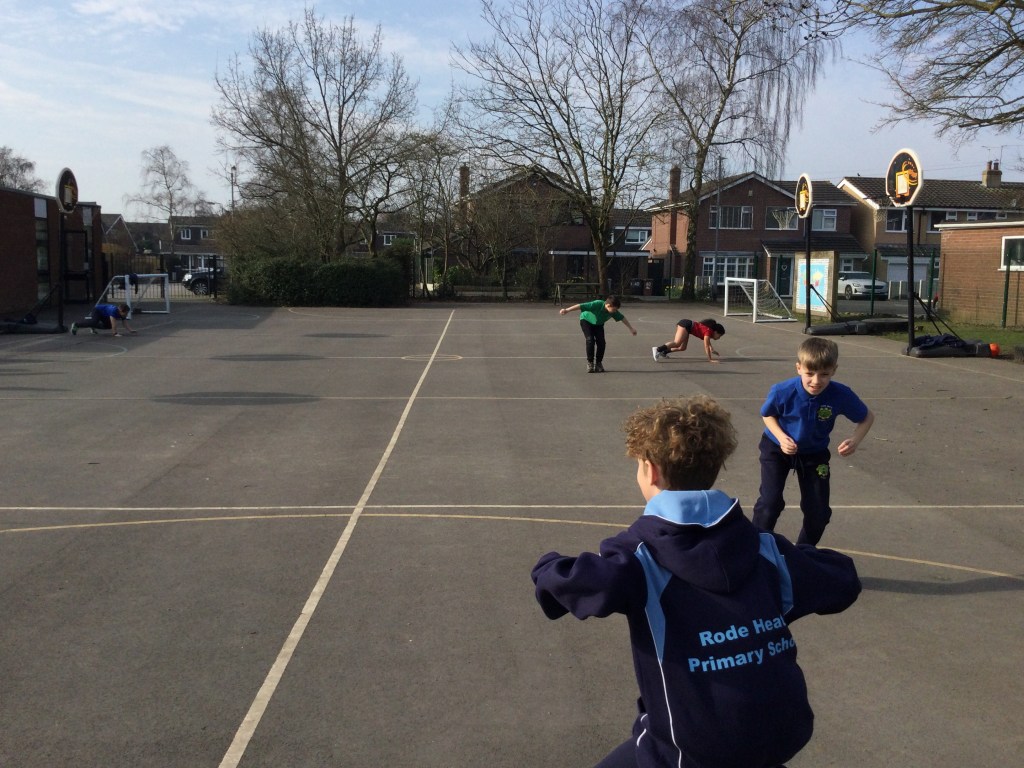
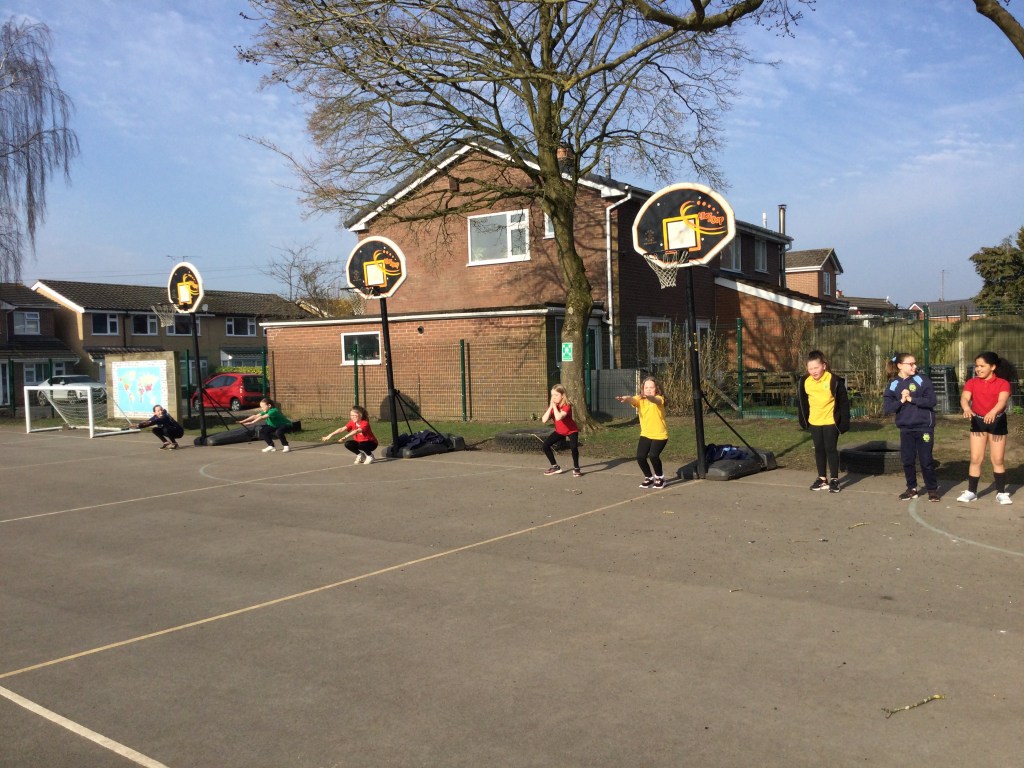
To start the week off we trained like an astronaut and did two laps of the daily mile and a minute’s worth of press-ups and squats. After that we crawled like a bear and crab to mimic how astronauts get around in space. We also balanced on one leg with our eyes closed and had a bean bag on our heads to face gravitational challenges.
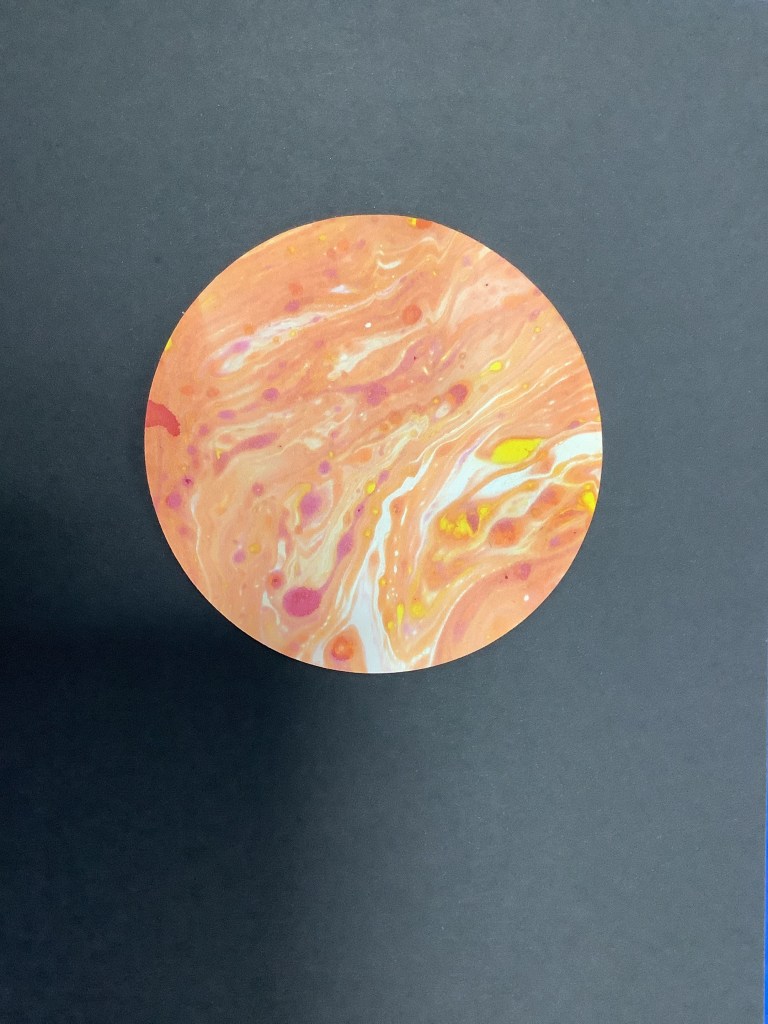
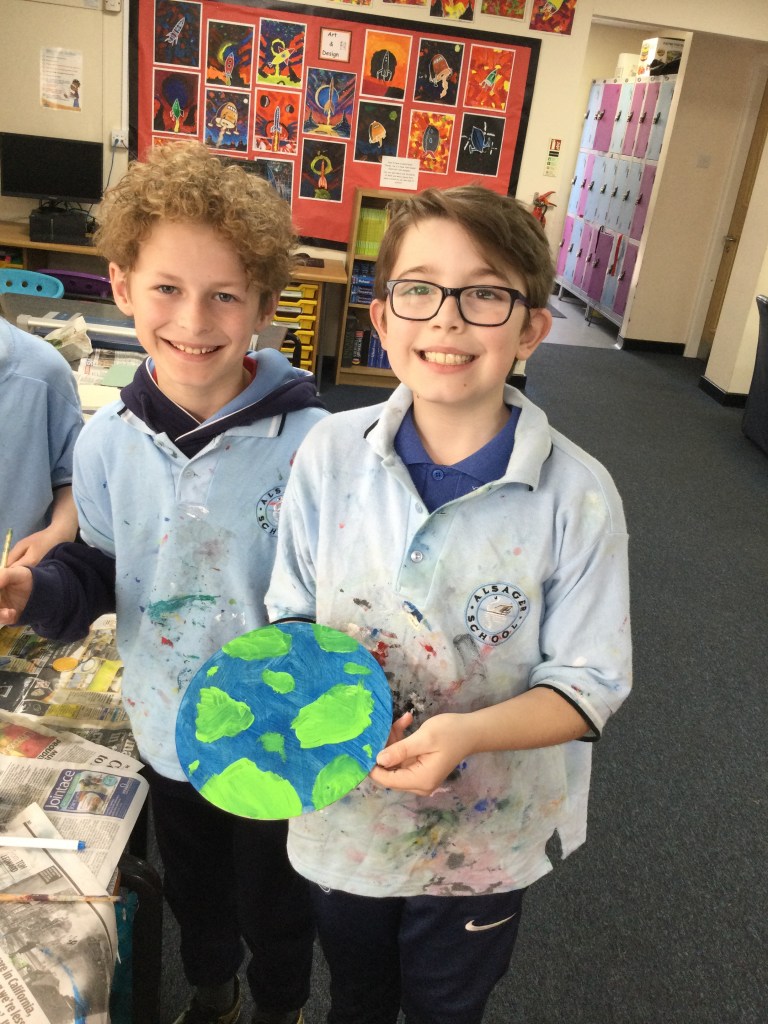
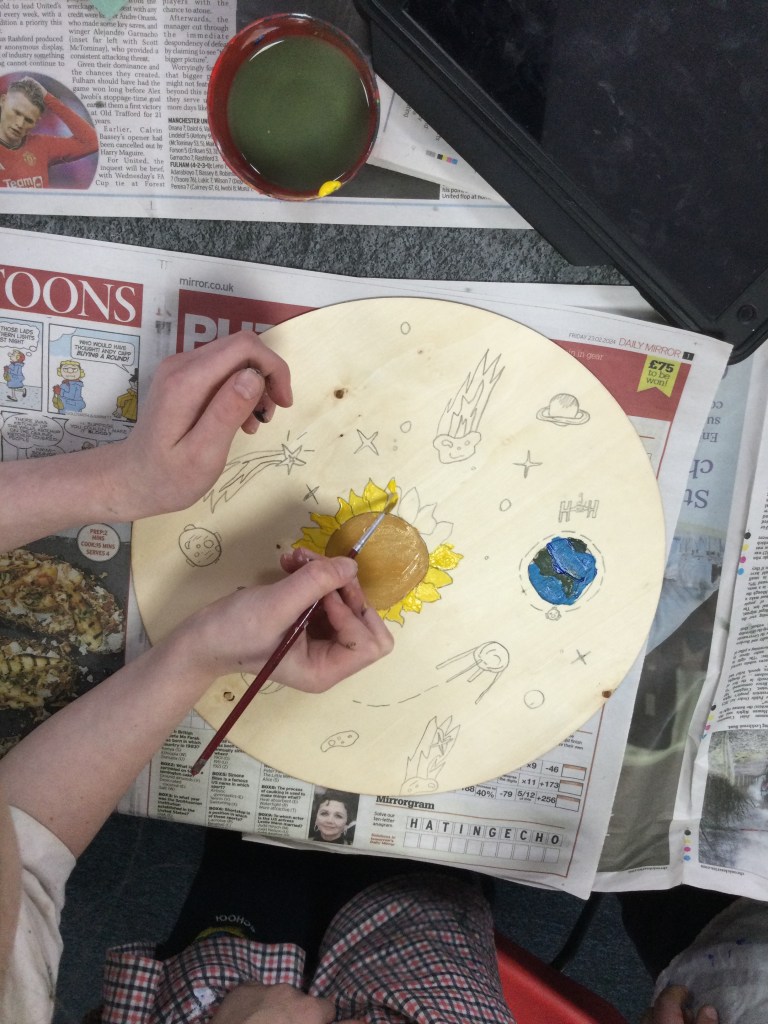
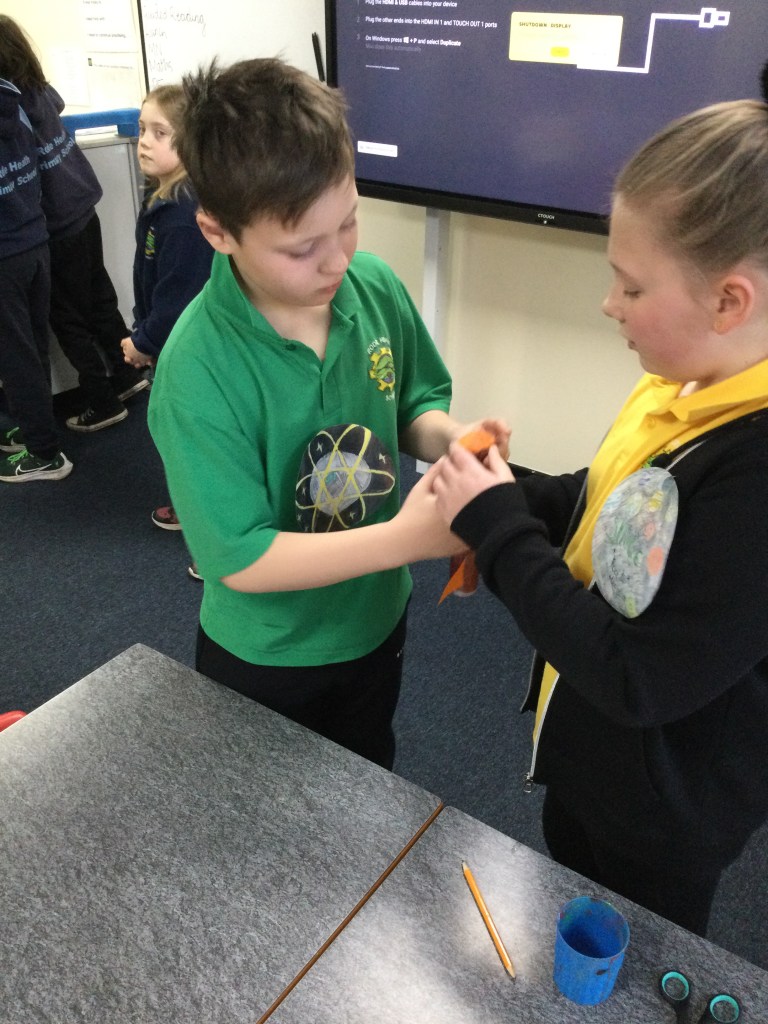
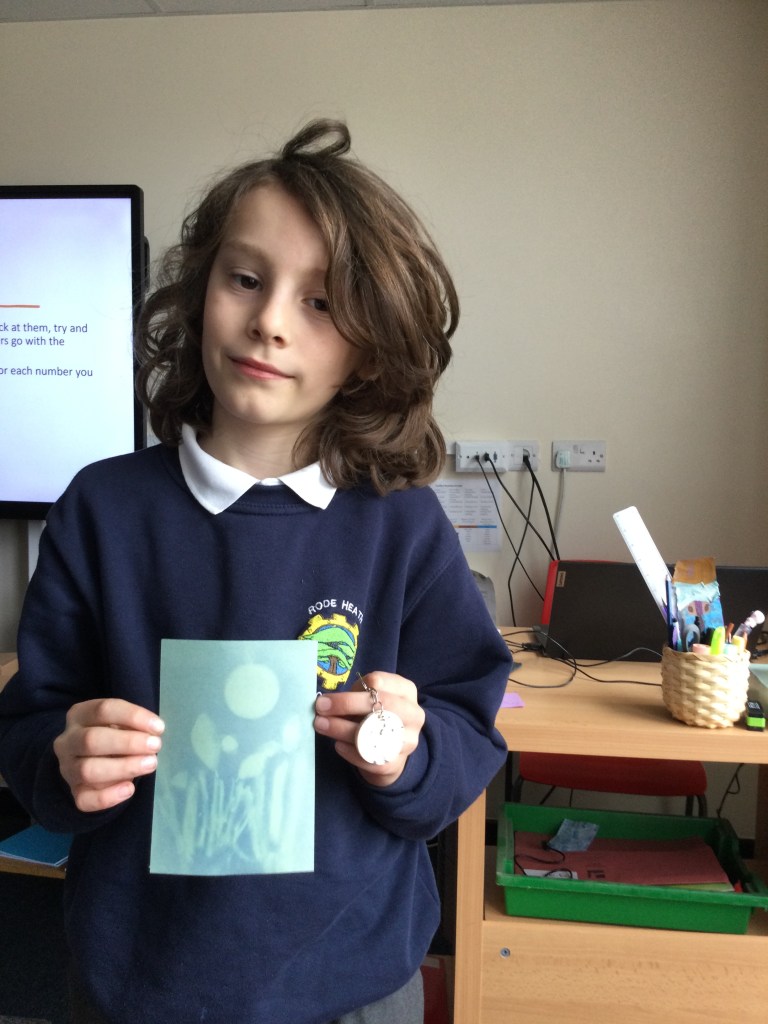
Later that day, a lady called Marjorie came into our class with a tiny piece of foil from Apollo 11. She also brought in some circular wooden slabs for us to paint planets on. When we had finished these, we were given a key chain for our bags to paint – most people did Earth.
On our next day of Space, we composed poems to read out to the school. There was a choice of acrostics and rhyming – many of them were really good.
On Wednesday, we went into a WonderDome where we learnt about life in Space. Scientists believe that there might be life on Mars because it has water, and microbes are mainly found in water. Speaking of Mars, me and my class have calculated that an astronaut travelling to Mars would need 1095kg of water, 365kg of oxygen and 365kg of food – not accounting for the time spent on Mars itself.
We are making space food for the journey to Mars. We also have a plan that you have crops being fertilised by human waste, plus the plant gives off oxygen. We are waiting to see our mystery plants grow.
Personally, I would not like to go to Space because the shuttle could get lost but I am truly fascinated by it. We all really enjoyed the week.
Last July the Rode Heath Y5s took part in a summer STEM partnership project initiated by the CIEC – the Centre for Industry Education Collaboration – designed to bring STEM ambassadors and primary schools together, to work on specific CIEC projects.
We were lucky enough to be allocated Deborah Whitworth-Hilton, a director of the international engineering company, Uniper, one of the world’s largest producers of low carbon power. She guided us throughout the project and arranged for us to visit Connah’s Quay, a gas-fired power station in Flintshire, run by Uniper, which generates electricity by burning methane. The timing couldn’t have been better, as our now-Year 6 students are just beginning their unit on electricity.
An Impressive Location – Connah’s Quay
Connah’s Quay, situated on the south bank of the River Dee, spans approximately 243 acres. Part of this land is designated as a nature reserve to protect the area’s Site of Special Scientific Interest (SSSI) status. From the plant manager’s office at the top of the building, there is a breathtaking view, with the river stretching out toward the Irish Sea, dotted with boats below.
A Warm Welcome and an Engaging Day Ahead
Upon arrival, we were welcomed by Rob, a retired teacher, who guided us to the new Education Centre. Our school was among the first to experience this programme, so we didn’t know exactly what was planned for us – but it exceeded every expectation. The day was organized seamlessly, and the staff had crafted an engaging timetable designed to bring electricity to life for our pupils.
After a brief introduction, we split into three groups and rotated through hands-on activities, led by our hosts: Mark, Matt, and Rob. Each activity introduced key concepts in electricity in an interactive and memorable way.
Hands-On Learning: Exploring Conductivity
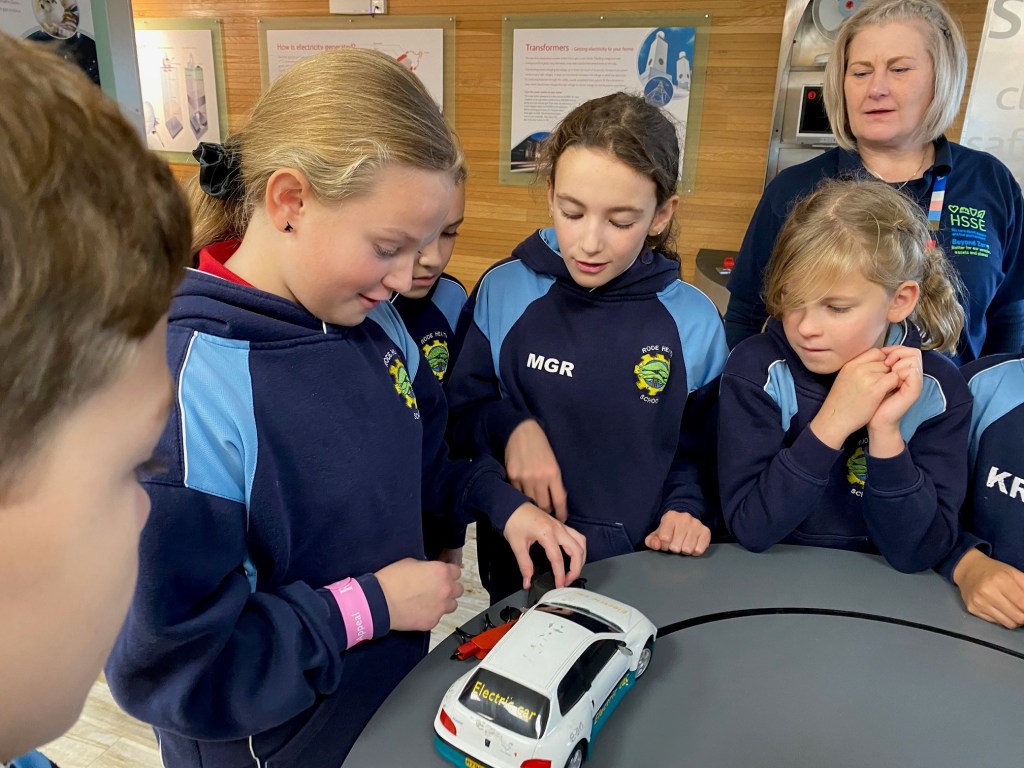
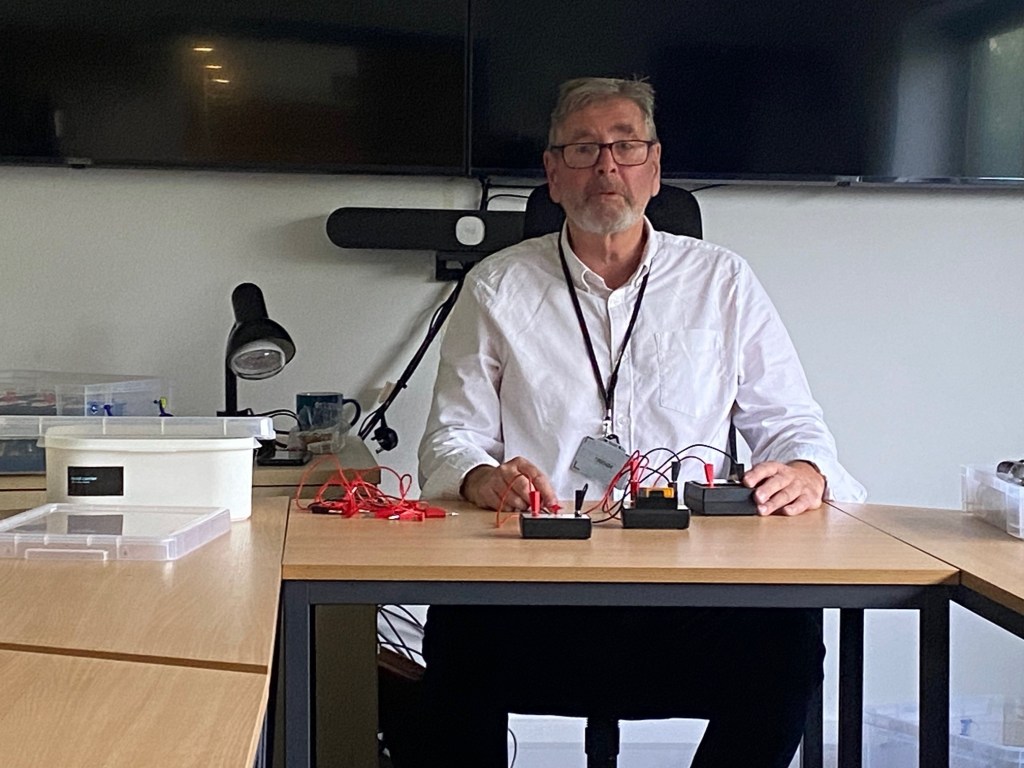
The first hands-on activity was an investigation into conductivity. Students learned to test various materials to see which could conduct electricity, helping them understand which materials power up a circuit. The experiment used a miniature car that only moved around the circuit if the right conductive materials were chosen. It was a clever way to revisit and reinforce concepts they had learned in Year 4 – and it was gratifying to see how much they remembered!
Renewable Energy and Global Awareness
The second activity delved into renewable energy and the importance of electricity access worldwide. The children were surprised to learn that around 700 million people around the globe currently live without electricity. For many of them, it was hard to imagine life without light, heating, or all the devices they depend on every day. They tried out wind-up torches and radios, discovering how much effort it takes to keep them charged – something they found tiring after only a few minutes!
Next, they explored solar energy by constructing a simple circuit powered by a solar battery, lighting up a small bulb. This hands-on approach helped them see renewable energy in action, and they were captivated by how the sun could generate electricity.
Inside the Control Room: Monitoring the Power Station
For the third activity, we stepped into a room designed to resemble the control room of the power station, where engineers closely monitor and manage the plant’s complex systems. Here, students were amazed to learn that it can take up to 85 minutes to fire up a generator! Connah’s Quay operates as a “peak” energy provider, which means it’s activated only when electricity demand is high. This insight highlighted the station’s role in balancing energy supply during peak times.
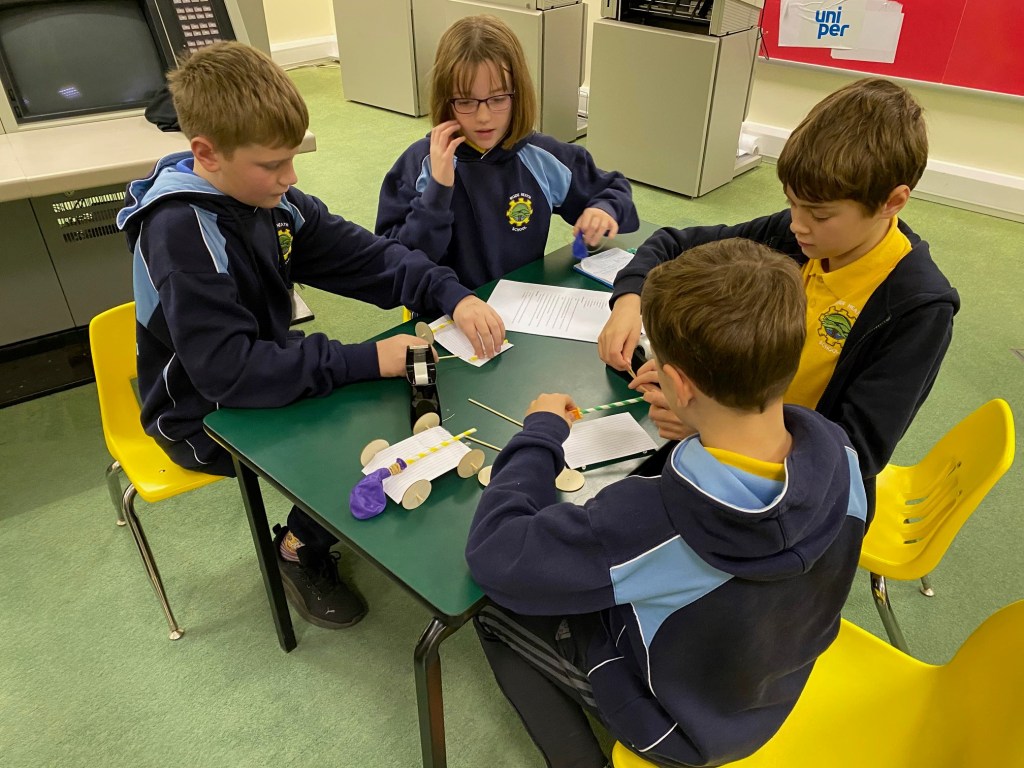
The main aim of the activity was to illustrate how potential energy can be stored. The children each built a balloon-powered car to explore this concept, racing them against each other and learning how stored energy in the balloon could propel their cars forward. This hands-on approach made the science of stored energy and power generation memorable and fun!
A Closer Look: Touring the Power Station
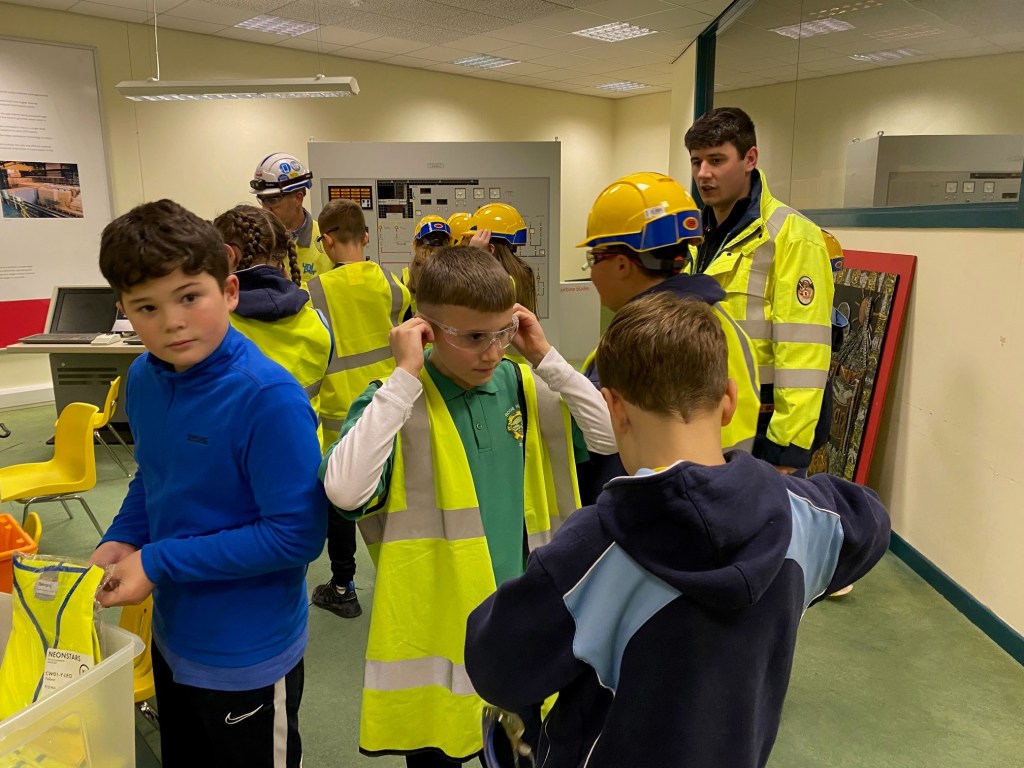
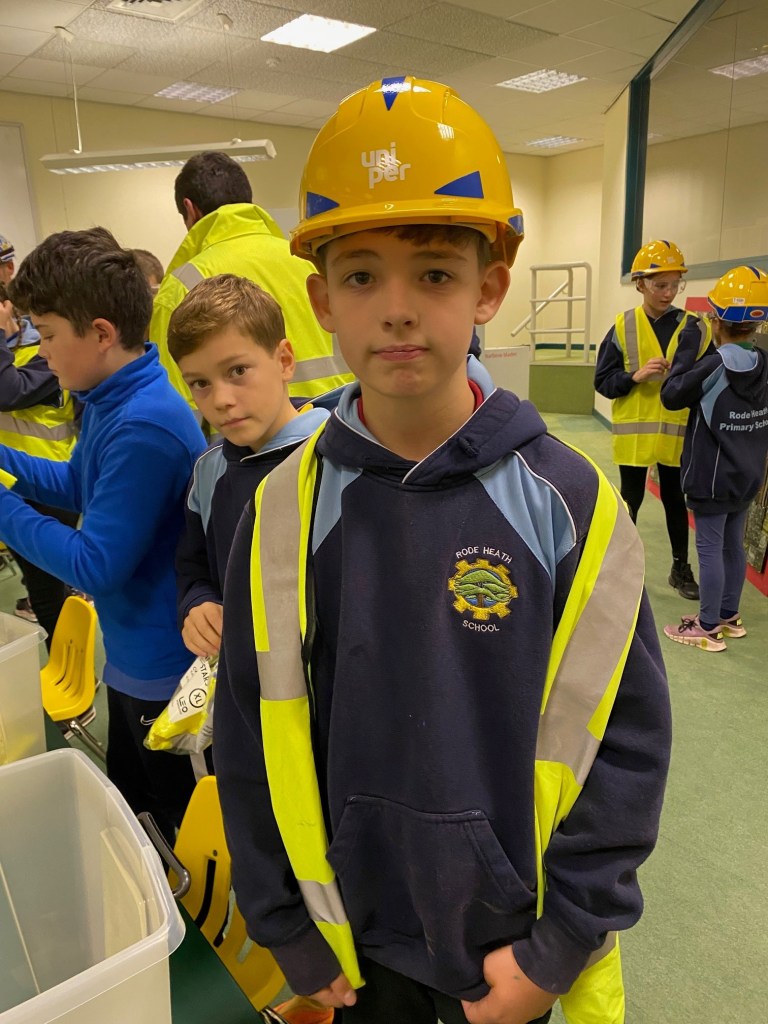
After lunch, the children suited up in full PPE gear for an extensive guided tour of the power station itself. For many, this was the highlight of the day – an exciting chance to see at first-hand how electricity makes its way from the station to their homes. They paid close attention to the sometimes quite detailed explanations given by their guides and asked many searching questions.
They were particularly interested in how water from the River Dee is used in the station’s cooling towers. The water is pumped from the river, filtered, used in the cooling process, and then returned to the river even cleaner than before. This sustainable practice demonstrated how the station minimises its environmental impact and protects local ecosystems.
High Voltage and the Journey Home
As the students walked past the towering pylons, they learned how electricity travels efficiently from the power station to their homes. They were captivated by the enormous transformers that step up the voltage to an impressive 400,000 volts, enabling electricity to travel long distances. At local substations, this voltage is later adjusted to 240 volts to safely power homes and businesses.
Perhaps the most thrilling part of the tour was seeing the gas turbines in action. Connah’s Quay has four single-shaft units – each with a gas turbine, a heat recovery steam generator, a steam turbine, and a generator – which explains the station’s four chimneys. Witnessing these massive turbines working to generate electricity brought the science of energy production to life for the students.
An Unforgettable Experience
All too soon, our visit came to an end. The children left the power station buzzing with excitement, each carrying a goody bag courtesy of Uniper and, more importantly, a newfound appreciation for the incredible journey electricity takes to reach their homes. Now, every time they flick on a light switch, they’ll remember this experience and the fascinating world of power generation behind it.
Many thanks to Uniper, the dedicated staff at Connah’s Quay, and the CIEC for providing such an inspiring learning opportunity.
This month the Year 5s have been lucky enough to receive a couple of visits from Deborah Whitworth-Hilton, a director of the international engineering company, Uniper, one of the world’s largest producers of low carbon power.
This was part of a summer STEM partnership project initiated by the CIEC – the Centre for Industry Education Collaboration –designed to bring STEM ambassadors and primary schools together, to work on specific CIEC projects.
Each school taking part was allocated a £150 budget to spend on science equipment relating to the activities undertaken.
Deborah was a perfect fit for the Year 5s, as they have been studying renewable energy sources as part of this term’s geography topic and were therefore very interested in the subject, and keen to learn about Deborah’s real-life experiences.
Our first session took place on the morning of Wednesday 10th July. Deborah talked to the class about her work and what inspired her to become an engineer. We learned much about Uniper – including how the company got its name. This was a question from one of the Year 5s, and the answer was that it was the result of a name competition held by the company, and it stood for Unique performance.
We also discovered that there is a huge underground gas storage system in Holmes Chapel where 165 million cubic metres of methane is stored. This cavern was created by drilling down ½ mile into the ground, melting the salt and extracting the solution. This left a 100m wide by 100m deep space for gas. The children were fascinated by some of the objects that Deborah brought with her, including large pillars of pure salt extracted from underground and PPE equipment, which the children enjoyed putting on.
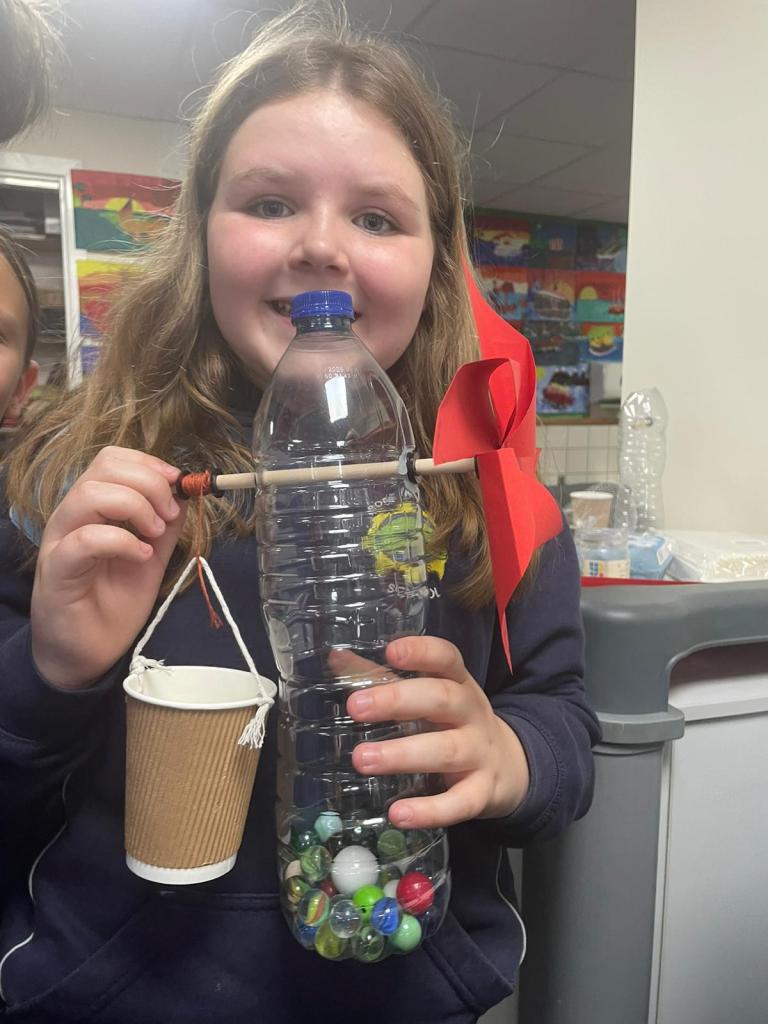
Following Deborah’s presentation, the Year 5s were tasked with building a wind turbine, based on the activity ‘Wind Power’ in CIEC’s Generating Electricity project. This involved attaching a cardboard template to a piece of dowel which had been inserted into a plastic bottle. We used a hairdryer to act as the wind source, which wasn’t that effective, until the children decided to design their own blades. Deborah was on hand in her engineering capacity to offer advice on blade shapes and suggest potential improvements to the existing template.
Interestingly, many of the girls excelled at this process, showing a determination to create a model that lifted the paper cup more easily off the floor.
Changing the shape of the blades.
At lunchtime, Deborah had to leave for a business meeting, however before she left, she launched a competition for the Year 5s to design a Future City.
Our next session is based around which plant-based materials offer the most sustainable source of energy. It will be interesting to see what the results are.
There’s nothing I love more than to integrate engineering into my science lessons, and I had the opportunity this week when I brought in my giant lotus leaves.
We have been studying the Amazon rainforest in both geography and English this term, as well as looking at Living Things and their Habitats, so it was a great opportunity to investigate how the lotus plant has adapted to live in water.
In addition to having specialized roots which take in oxygen from water and flat leaves to help with floating, the plant is ultra-hydrophobic, which means that it repels water.
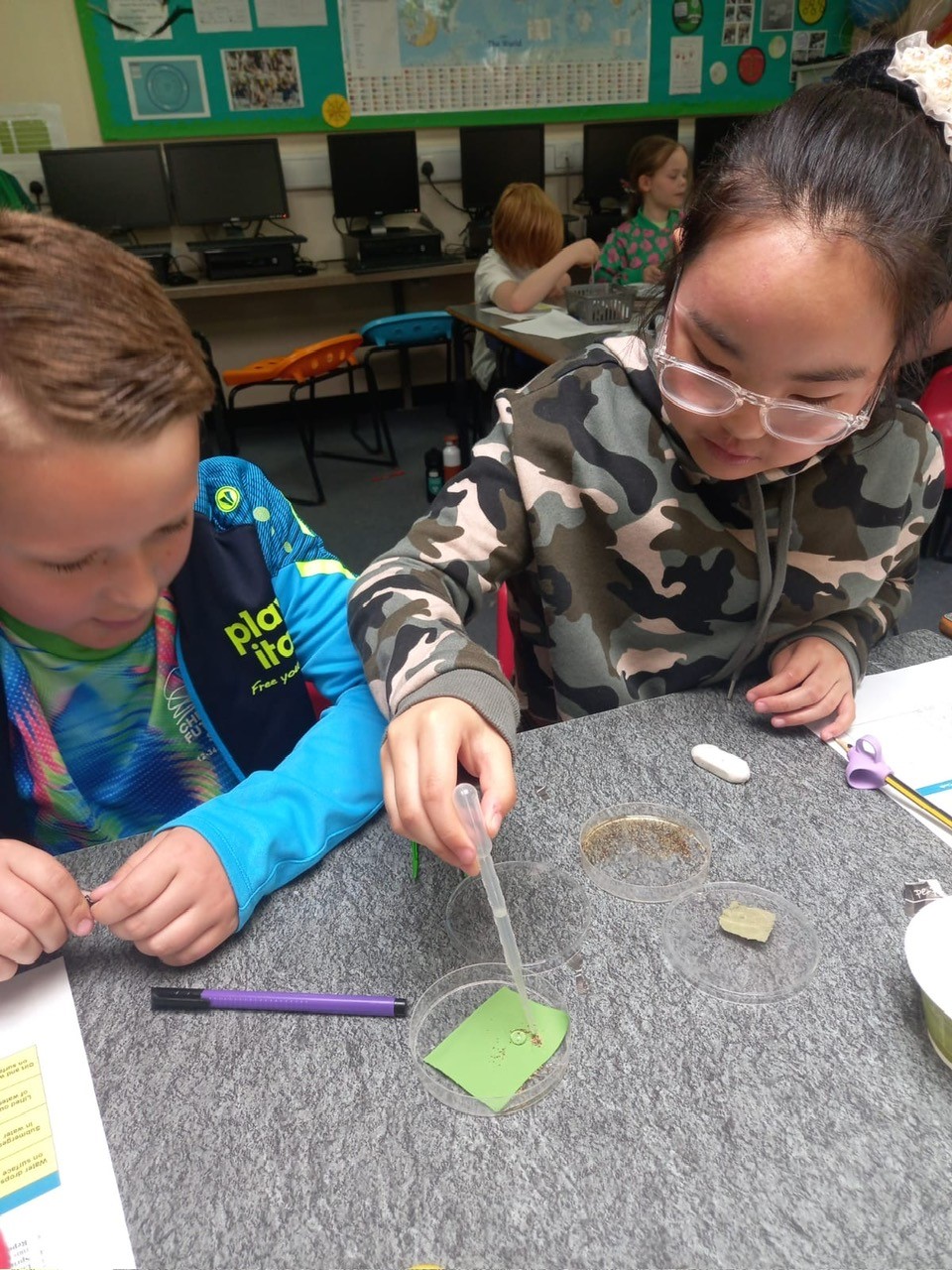
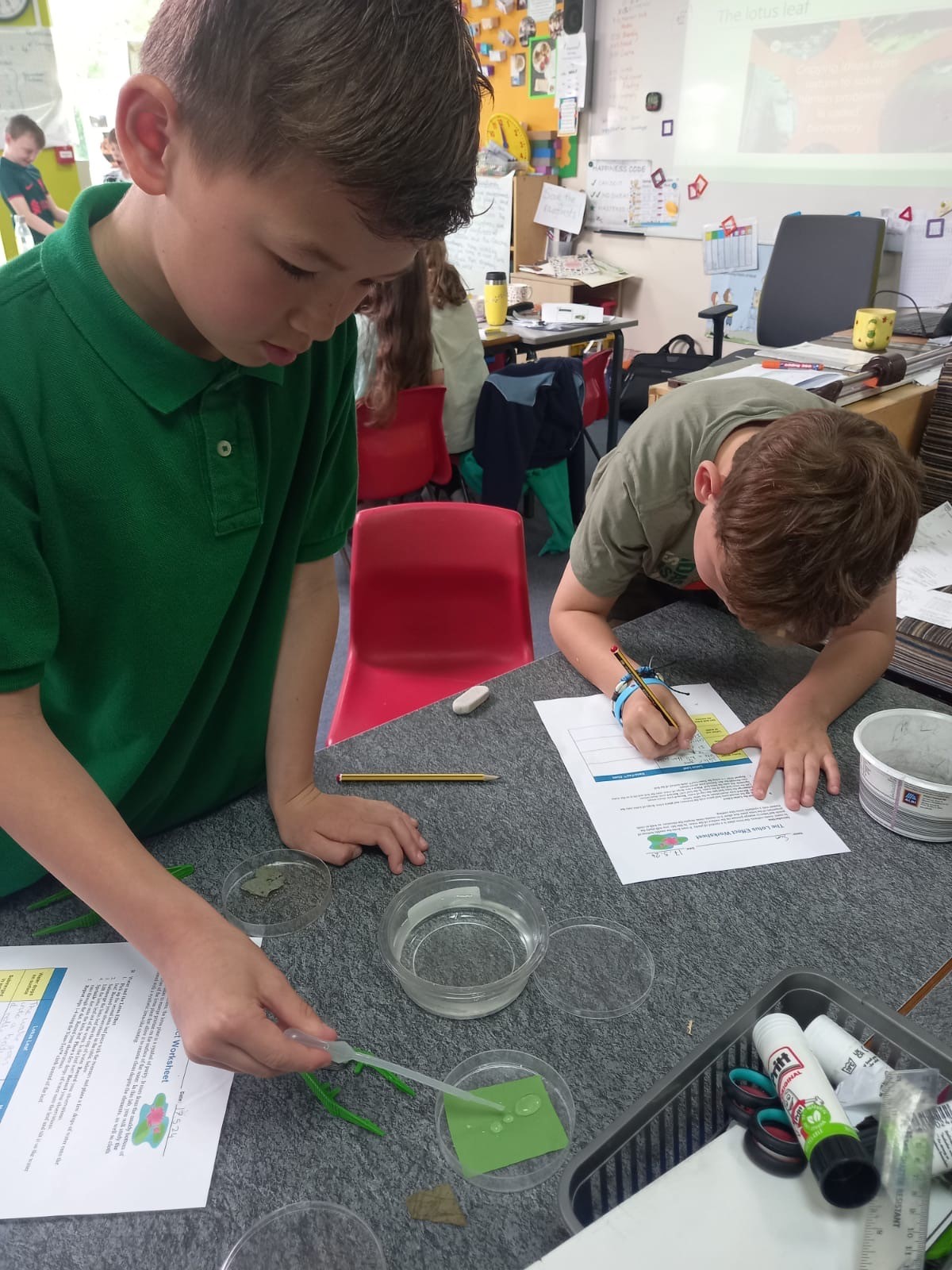
The ‘lotus effect’ as it is known, is indeed quite magical – even on dried leaves. When drops of water are squeezed from a pipette, they literally bounce off the leaves like small crystal balls – a real ‘awe and wonder’ moment for the children.
This remarkable reaction to water, has major benefits. Not only does it free the surface from excess water, but it allows the plant to self-clean, as the tiny water droplets pick up any dirt particles when they roll off the leaf.
Biomimicry
Having demonstrated the ‘lotus effect’, I introduced the concept of biomimicry to my class. Biomimicry, as the name suggests, means ‘imitating nature’ and is an approach used by engineers to solve all kinds of problems.
I explained that perhaps one of the most well-known inventions inspired by nature is Velcro® invented in 1948 by Swiss engineer, George de Mestral. He noticed seeds stuck to his dog after a walk and wondered why they were so sticky. When he looked at one under a microscope, he saw that it was made up of a series of hooks that had grasped the fur. He decided to copy this idea and made his own version. This was something that all the children could relate to, as many had Velcro® fastenings on their shoes.
The Lotus Effect
This then led to a discussion as to what products might have been inspired by the ‘lotus effect’. If they were engineers, how would they use it? Where might self-cleaning materials be useful? We talked about windows in sky-scrapers. If these could be cleaned just by rain, then that would be save a considerable amount of time and expense.
We then watched an video from Interesting Engineering, which looks at how the lotus effect was discovered and some of the products that it has inspired: https://youtu.be/Xp0SAdDUQ-o?si=qYKhj31b6ISxIpRa
One of the dramatic events in the video is when black paint is thrown at two men wearing white shirts. One of the shirts has been treated with a superhydrophobic coating and the paint just bounces off.
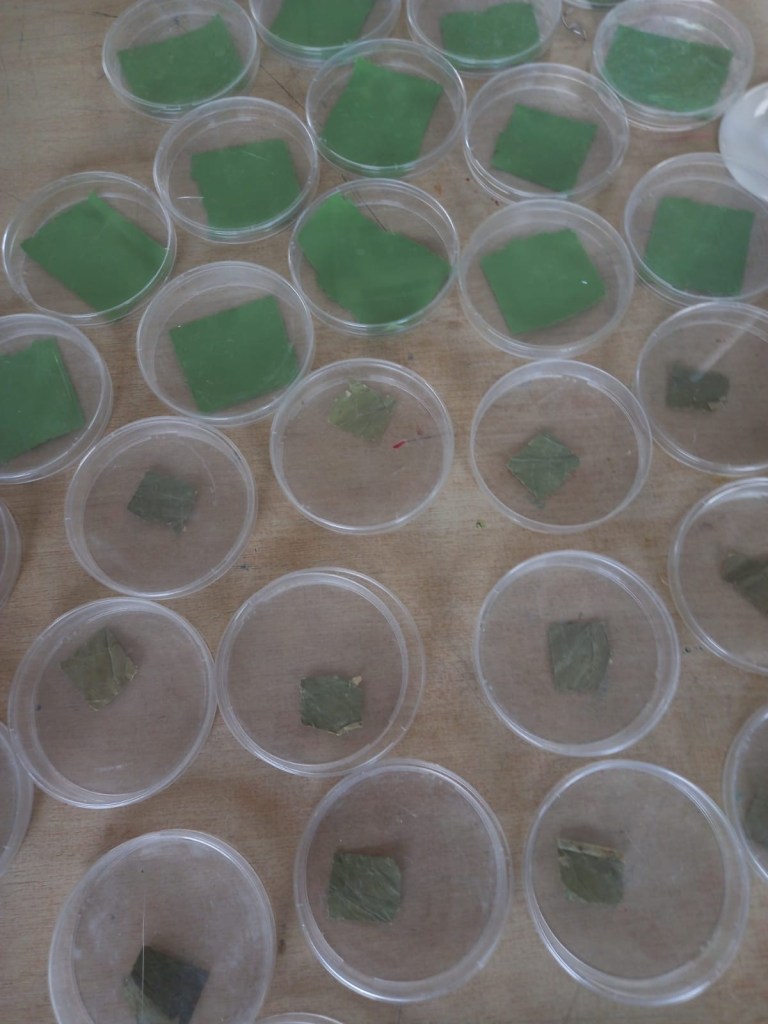
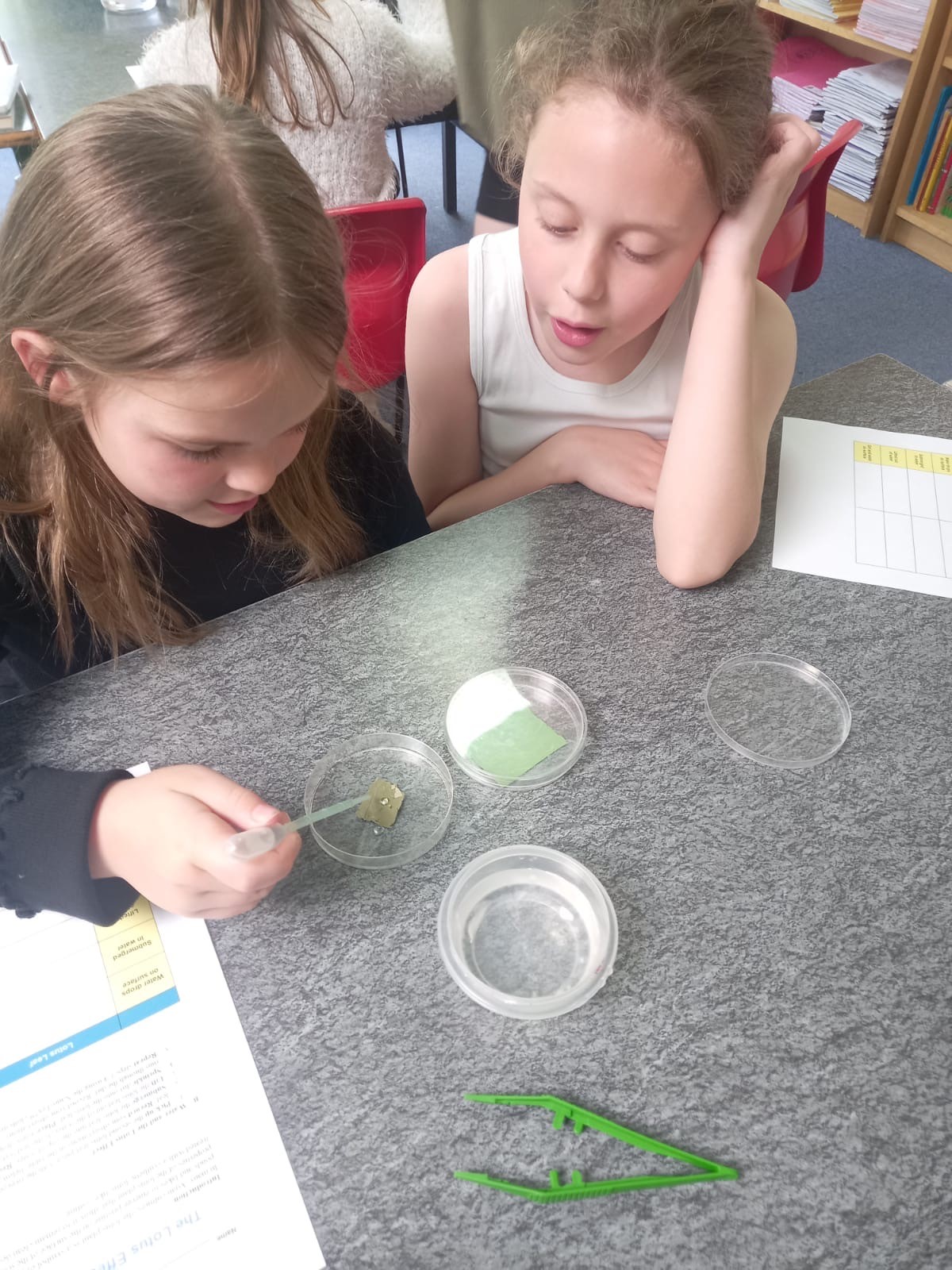
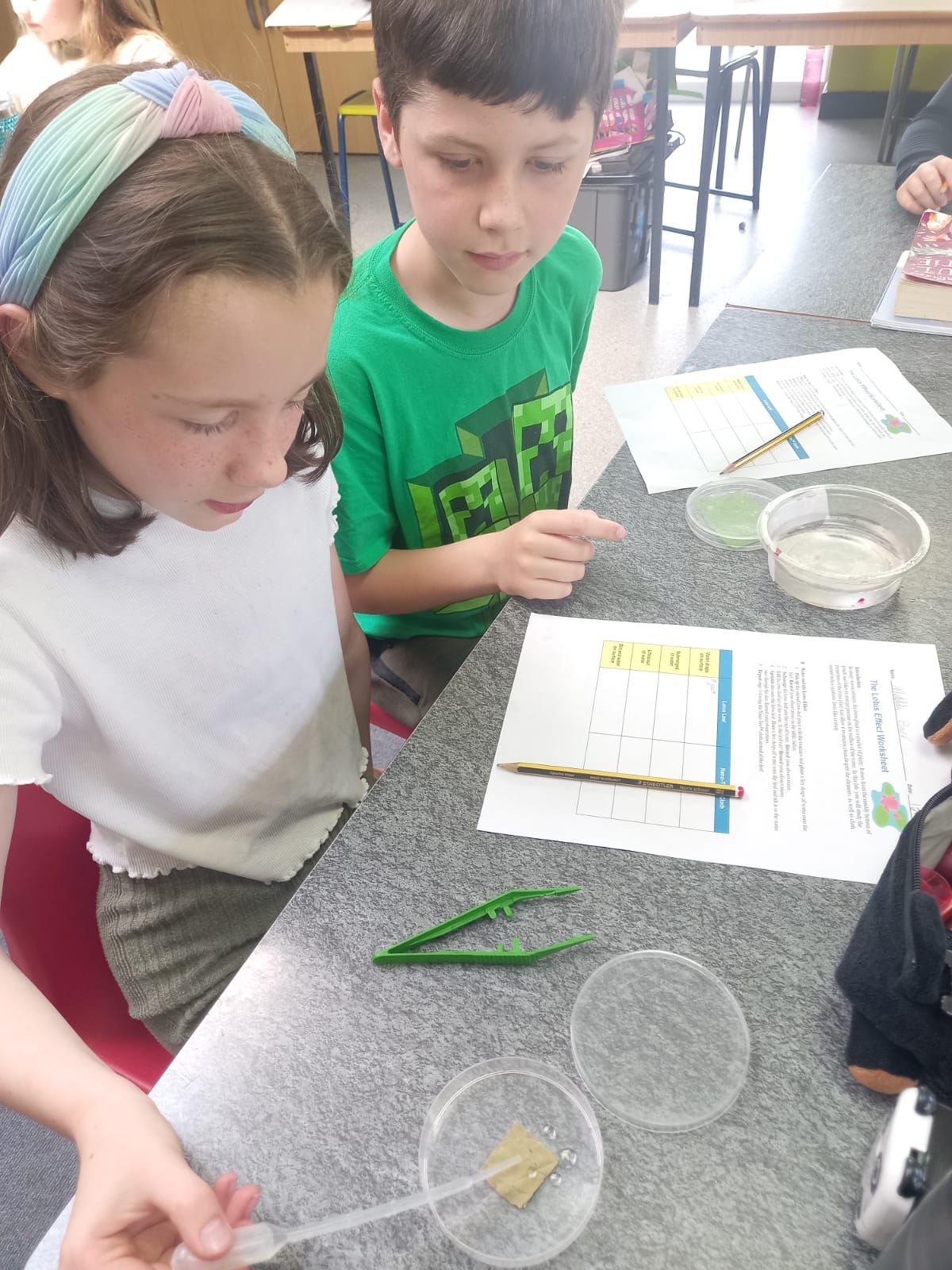
By this time the children were very motivated to investigate the effect for themselves. They were provided with two petri dishes – one with a square of dried lotus leaf tea in (from Ebay) and the other with a square of material which had been treated with a synthetic hydrophobic coating. (NB: Examples of such cloth can be found on the internet – search for Nano-TexTM fabric).
In order to gain maximum benefit from the investigation it was important that the children followed a series of steps, one sample at a time.
These were as follows:
Exploring the Lotus Effect
Place a few drops of water on your lotus leaf and observe the effects
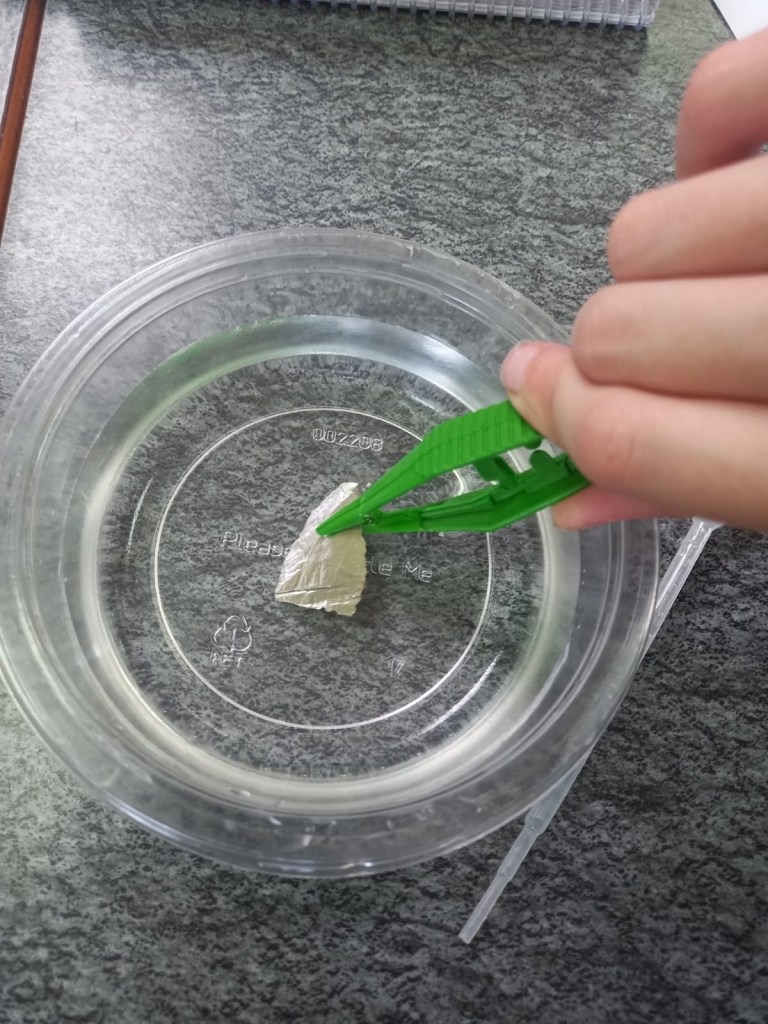
Submerge into glass of water
What can you see?
Sprinkle pepper on the surface. Then place a few drops of water and tilt.
What happens?
Do the same with the Nano-TexTM cloth.
They had to use tweezers to handle the samples, as I explained that they were very delicate and oil from their fingers could affect the hydrophobicity of the dried leaves.
Their observations were recorded in a prepared table.
I was delighted both at how methodical the children were and the careful observations that were taking place.
When you submerge the lotus leaf in the water, one of the sides develops a silver sheen. This is caused by a thin layer of air being trapped on its surface. When the leaf is then removed from the water, it emerges completely dry – a phenomenon that delighted the children. The same happened with the Nano-TexTM cloth
Taking it further
This investigation could be taken further by finding out whether other leaves demonstrate the same levels of hydrophobicity – cabbage, broccoli, sprouts, kale and elephant’s ear are all possible choices.
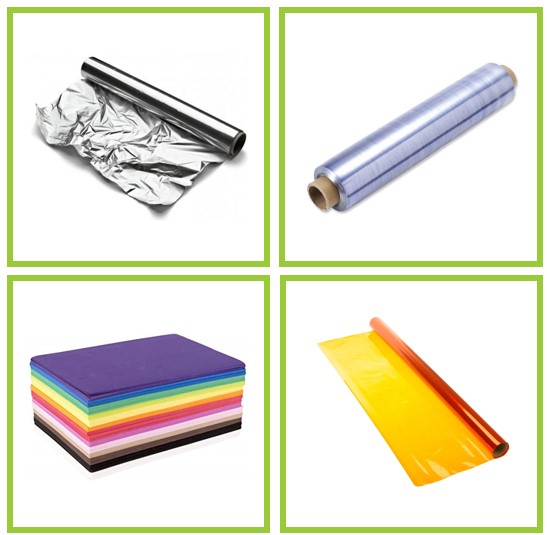
And, how many synthetic materials such as tin-foil, cling-film, cellophane and foam exhibit this property?
Is there a difference between being water proof and truly water repellent?
On Wednesday 8th May, eight Rode Heath pupils spent the morning at Fenton Manor Sports Complex sharing and testing their lighthouse designs with engineers and six other primary schools.
Year 4 girls arriving at the venue
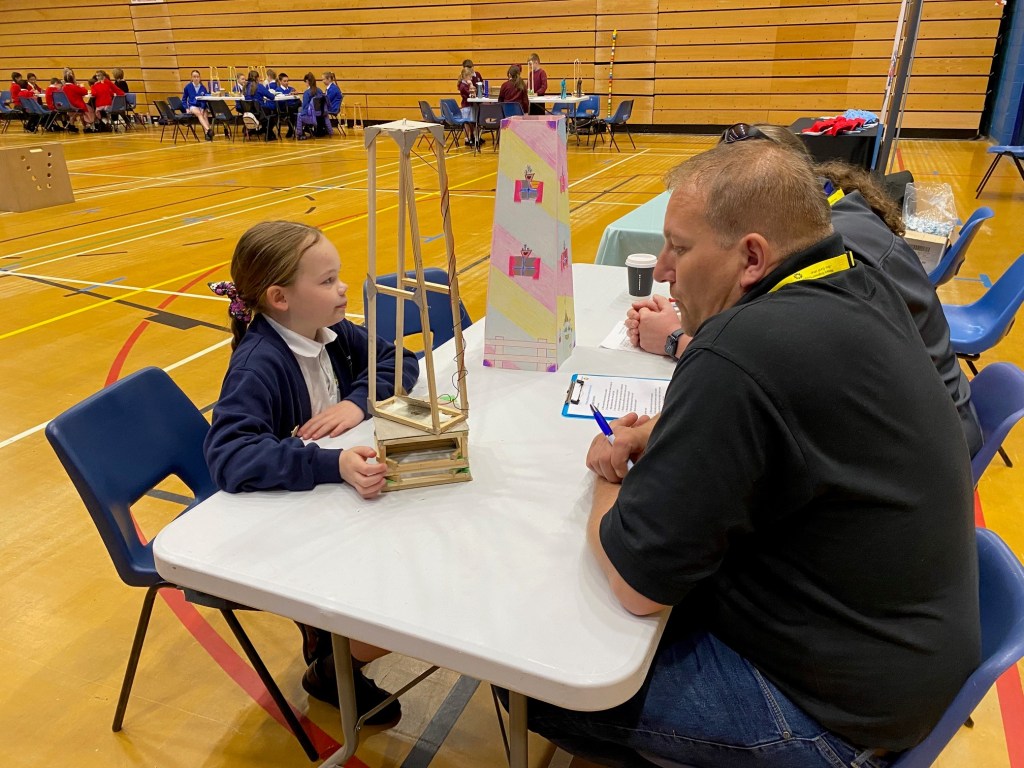
This was the culmination of many weeks of hard work, researching about lighthouse architecture and constructing their own model versions. Many skills were learned in the process such as accurate measurement; cutting and joining techniques and creating electrical circuits.
The morning involved being interviewed by a selection of engineers who were interested in the research the children had carried out as well as the rationale behind their design choices.
Rigorous testing
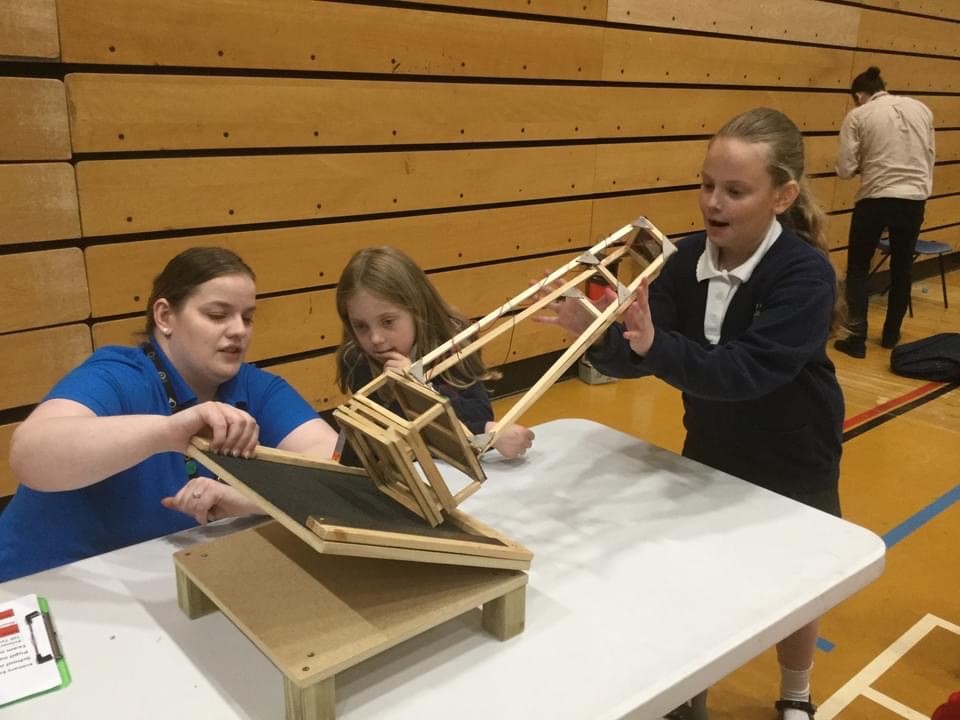
This was followed by testing the structures for their stability on a specially constructed device which tilted the lighthouses and measured the angle of tilt they were able to withstand. The children learned that turning their structures by 45 degrees had a significant impact on the angle of tilt they achieved due to spreading out the centre of gravity. The tilting platform was designed to replicate resistance to natural phenomena such as earthquakes and flooding.
The project had been organized by Primary Engineer and sponsored by GivEnergy, who provided all the equipment to schools.
Opportunities to interact with real engineers
It was a great opportunity to communicate and share their enthusiasm for engineering – a subject that we are passionate about at Rode Heath. Indeed, the engineers were very impressed by the girls’ eloquence and ability to explain the challenges that they had faced whilst building their lighthouses.
And, we were delighted that two of our pupils were awarded medals for the stability and overall design of their lighthouses.
Highlights of the morning
A favourite part of the event was testing the lighthouses’ stability.
Ava (year 4), who achieved one of the engineering awards, commented: “The most exciting thing I did today was the testing of my lighthouse’s stability by tilting it. My score was originally 24, but when I turned it by 45 degrees my score increased by 9 degrees because the gravity spread out to all of the corners.”
Maisie (year 5) enjoyed constructing the electrical circuits. She told the engineers, “My uncle is an electrician and he helped me to understand how the circuit worked.”
Lillie-Anne (year 4), who also won a prize for her design, enjoyed talking to the engineers. She commented, “I really enjoyed talking to real engineers about my lighthouse. I was nervous at first, but they were really nice.”
The project was run by Mrs Caroline Pecora, Y4 teacher and Design and Technology Lead, supported by Miss Chloe Beard, Y5 teacher at Rode Heath. The sessions were delivered in a weekly after school club to which budding engineers were invited. Each pupils constructed their own lighthouse, which was at times quite complicated. Thanks must go to all the parents who gave up their afternoons to help ensure the models were finished on time.
We now need to think about our next engineering theme . . .
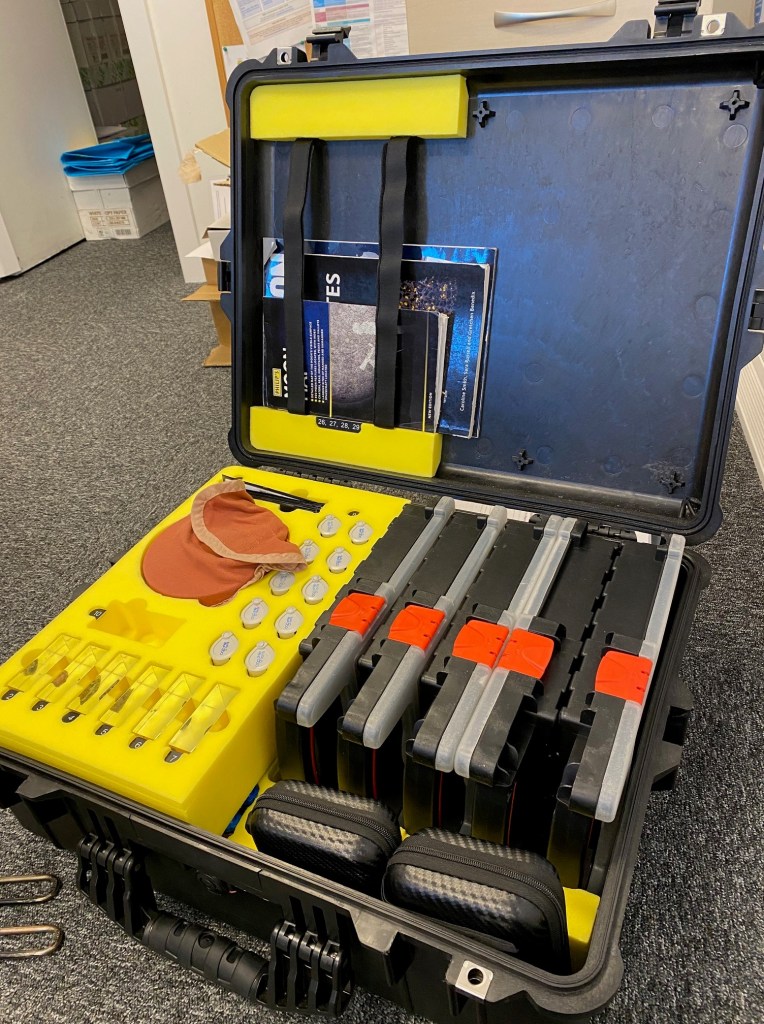
The week before half-term, we were lucky enough to take advantage of UK Research and Innovation’s (UKRI) ‘Borrow the Moon’ project. It had been almost 10 years to the day that we had first welcomed the moon rocks to Rode Heath and we eagerly anticipated their arrival on the Monday.
We were not disappointed. Since 2014, there had been a significant change to the kit, with new samples and some excellent teaching resources to enhance the experience.
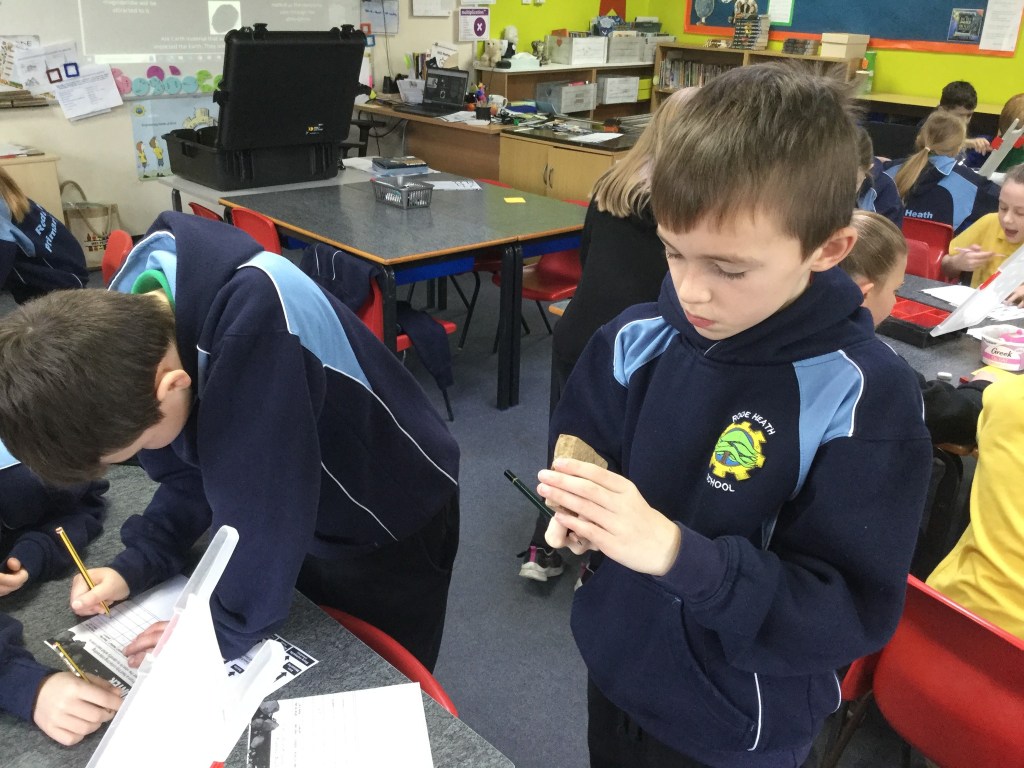
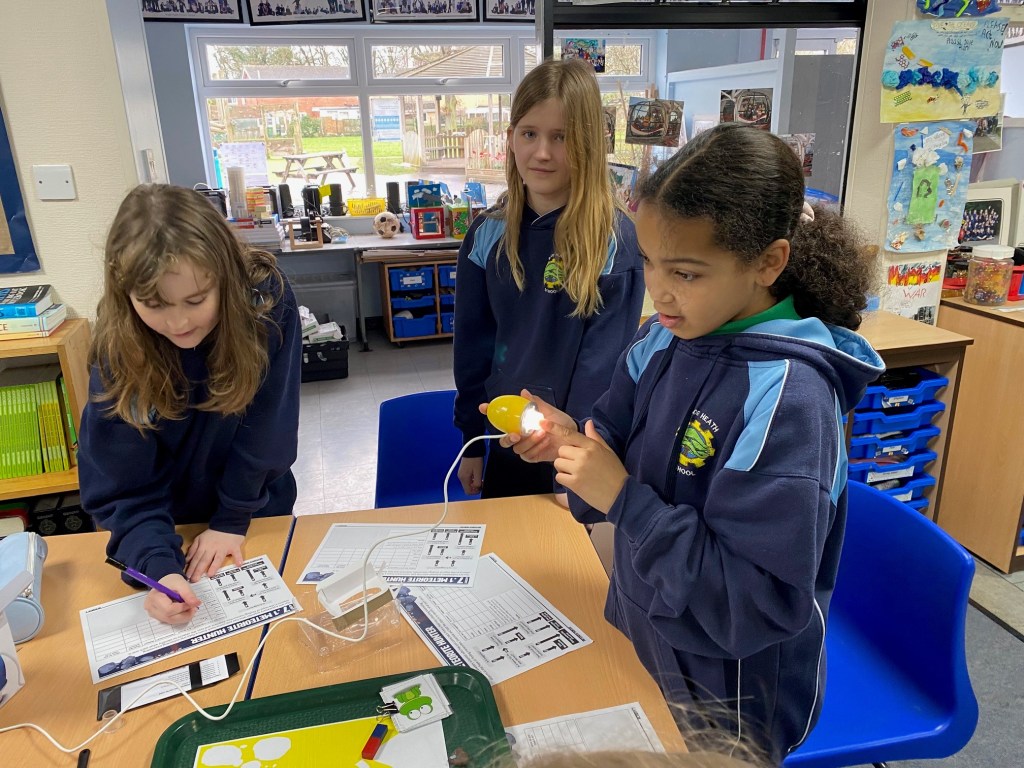
The biggest change was perhaps the inclusion of 5 Meteorite Hunters boxes, containing Earth, space, and fossil related rocks. These were an excellent addition, as it meant that more pupils had the opportunity to spend time studying and learning about the distinct features of meteorites.
Inspiring awe and wonder
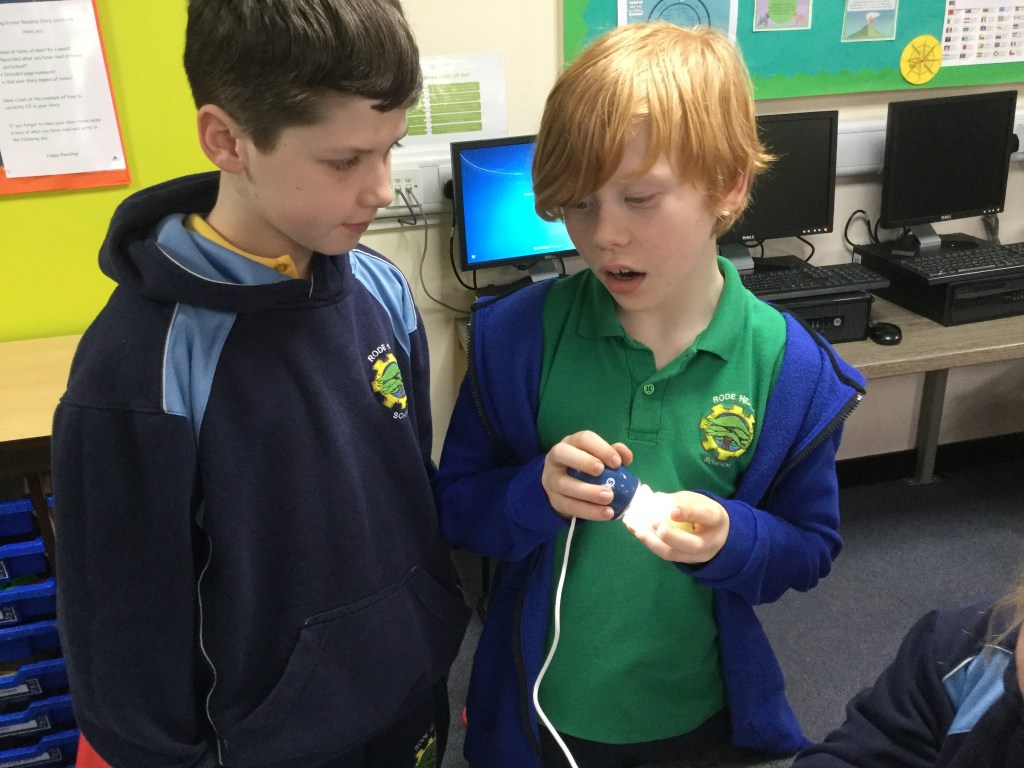
It was wonderful to see the amazement on the children’s faces as they handled their own bit of space. Normally disengaged boys couldn’t wait to use the microscopes to delve deeper into the rocks’ structures. They were mesmerized and eager to learn about the lunar landings and how the samples had been brought back to Earth.
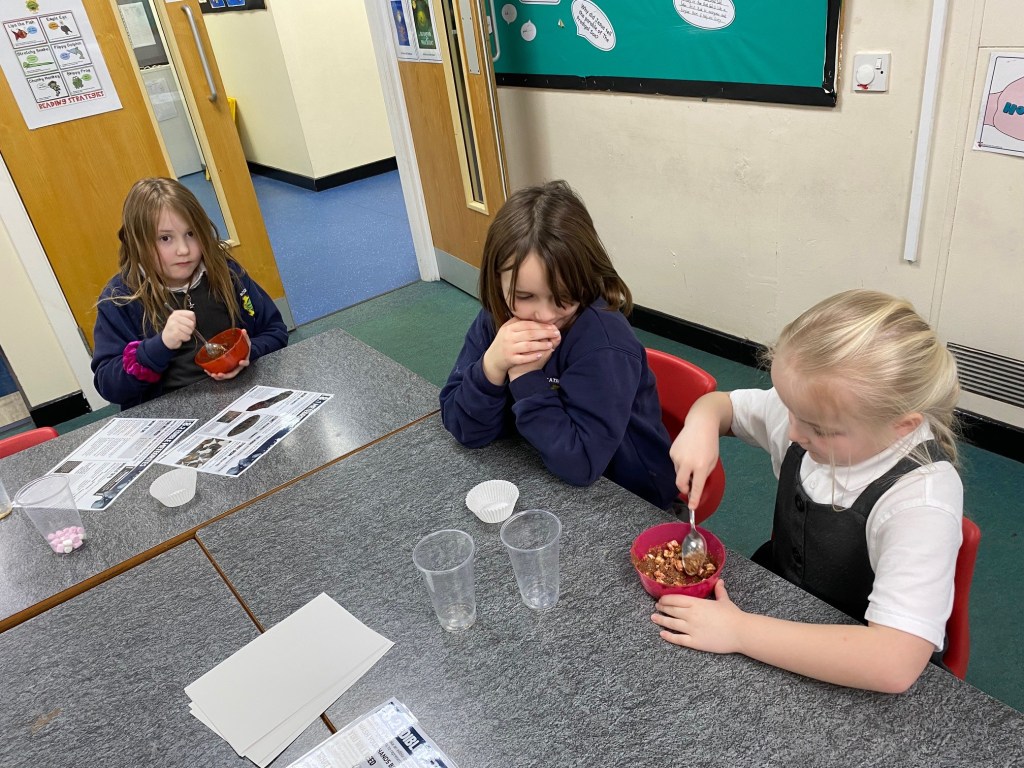
Each class, from Reception up to Year 6, was allocated either a full morning or afternoon with the space rocks and thanks to the wealth of lesson plans developed by STFC, each session was very well structured to make the most of the learning experience. As lessons were tailored to different age groups, and well-resourced with accompanying PowerPoints and worksheets, this made planning very easy for teachers. Year 2 particularly enjoyed making chocolate meteorites from mini-marshmallows. And, by the end of the session, all of them could tell you the difference between a meteoroid, meteor and meteorite.
Having devoted their afternoon to studying the Meteorite Hunters boxes, the Year 5s spent the next morning covering themselves with flour and cocoa, as they carried out their own crater investigation – dropping marbles from different heights and observing the change in crater depth and width. This was a very valuable exercise as it covered many working scientifically skills.
The Year 4s marvelled at the weight of one of the larger iron meteorites in the main case and were astonished to find out through their research that the largest meteorite that has been found on Earth – the Hoba meteorite – with an area of 2.7 x 2.2 metres – weighs as much as 7 elephants. It’s no wonder no-one has ever managed to move it.
Investigating Conspiracy theories
In Year 6 there was a definite skepticism about the various moon landings – a perfect opportunity to engage them with the ‘Moon Conspiracies’ activity. This was an excellent lesson, which involved the pupils analyzing statements for and against the moon landings and then exploring evidence cards which potentially supported or disproved the arguments.
The session ended with the playing of 3 Mythbuster clips which provided an explanation for three of the main conspiracy theories. By the end of the afternoon, more than half of the Year 6 objectors had changed their minds – which was a good result.
I can thoroughly recommend applying for a loan box. The process is simple – a few forms to fill in, then a visit to make sure that you have suitable security measures in place – after all, many of the items are irreplaceable.
This Sunday saw the culmination of Rode Heath Primary’s involvement with a national farming and engineering campaign when a group of Year 5 children were seen presenting their inventions for calf well-being to Adam Hanson and his team.
It all started back in January this year when we were invited to the Lancashire Farm Education Centre in Croston to meet Elaine Smith, who runs a working dairy farm. The visit was precipitated by our work with the NFU and University of Manchester – carrying out some of the activities from this year’s Education Educates Farmvention Challenge which focused on how agricultural engineers work with farmers to help solve the big issues challenging UK farming communities.
Giving a context to learning
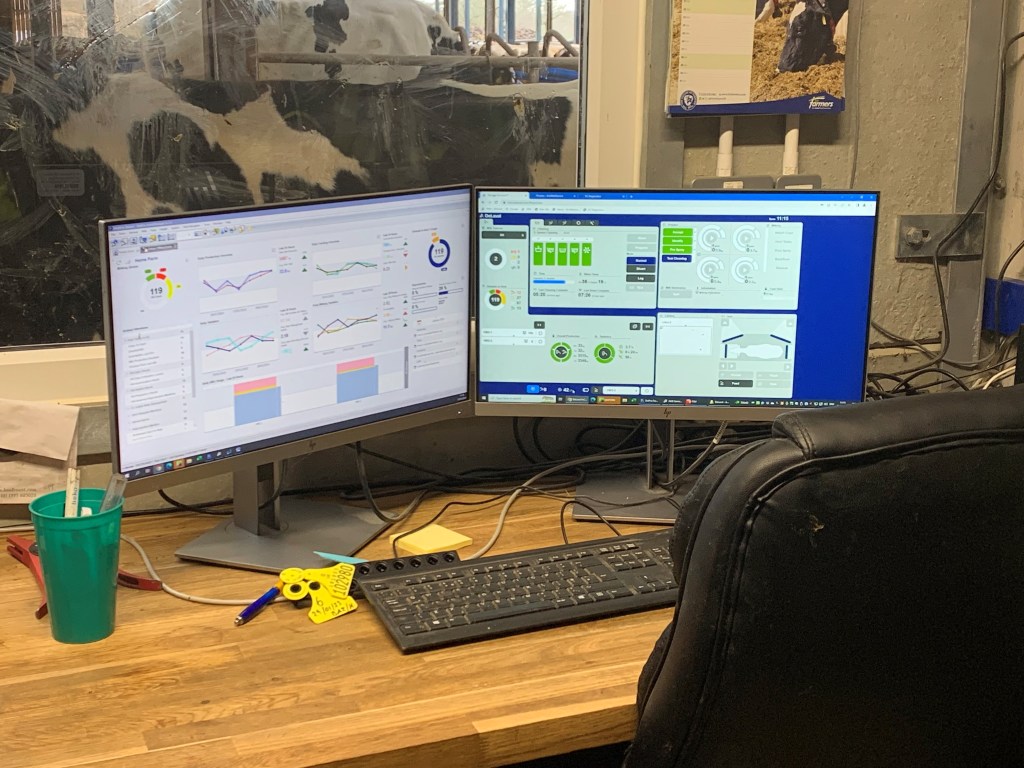
Home Farm was an idea location to choose as it provided examples of how technology is being used to make dairy farming more efficient, by automating many of the normally time-consuming processes, such as feeding and cleaning. The cows are housed indoors in a large well-ventilated shed and are milked robotically whenever they choose to enter the automated milking machine. The cows’ well-being is paramount and this is reflected in the layout of the barn and wealth of data gathered to give up to the minute information about their dietary needs and general health.
Our vision at Rode Heath has always been to make our learning as context rich as possible, so experiencing the day to day running of a farm at first hand and being able to ask questions of real practioners gave the pupils a real understanding of the tasks – one of which had been to observe the natural behaviour of dairy cows and design a suitable environment based on their experiences.
“Whilst were there we made a tally of how the cows behaved so that we know what they like doing and what they don’t do so often. We found that more than anything cows like to sleep and rest and eat. The calves like to play, but the cows don’t. The cows have big electric brushes that spin when the cows push them. The cows favourite place to scratch is behind their ears and on their bum!”
Making knowledge ‘sticky’
The children were fascinated by both the cows and the technology. It was amazing how much information they retained from the day.
These are just a few of the facts that intrigued them:
cows can go upstairs but not down
cows wear chains on their legs when they have just given birth or they could slip and dislocate their hips
it doesn’t hurt cows when they get milked
you can tell how pregnant a cow is by how far back their udders are
cows like calm music
to know if a cow is pregnant a vet has to stick their hand up it’s bum!
cows like scratches behind their ears and bum!
cow tongues are like sand paper
farmers can check on a cow wherever they are in the world as long as they have Internet connection
there is a machine called the crusher that helps you keep the cow still when you are trying to figure out where the cow is hurting
the NFU (National Farmers Union) cares for most farmers in England
cow food smells nice
you only have to have 1 bull on a dairy farm
The visit ended with Adam setting a challenge for the children to design a life-sized prototype of a product that would help improve the well-being of the cows.
We certainly had our work cut out.
Imagining & Planning
Back at school, the children shared their experiences and set about coming up with ideas.
There were many suggestions: heated leg warmers, a calf playground, treat balls, cold mattresses, water scratchers – to name but a few.
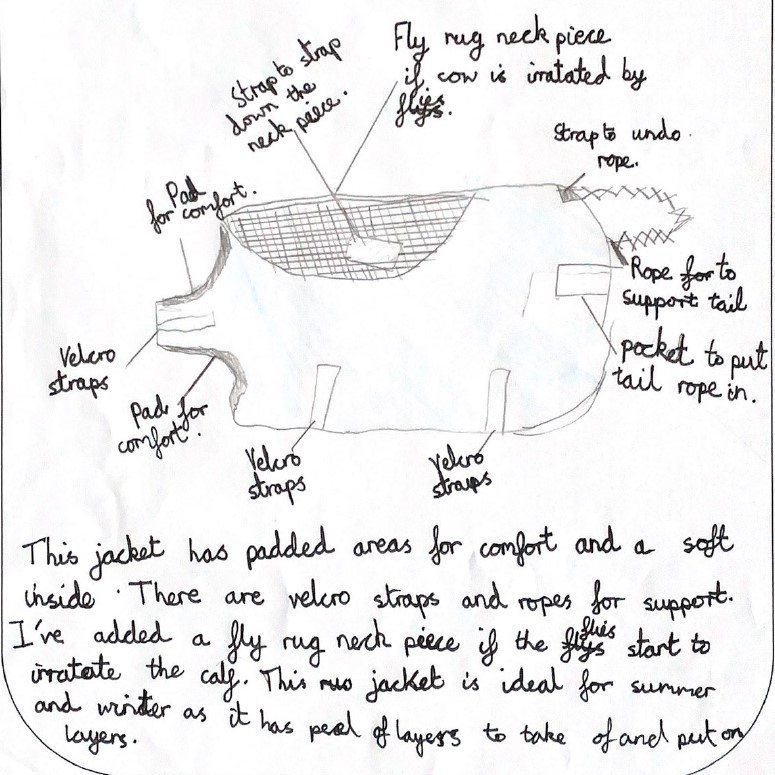
Finally, the class decided on developing a heated calf-jacket – both a hot and cold version. They used their knowledge of existing products – such as heated gilets for people and horse fly rugs – to come up with a jacket that was covered with a zebra print to ward off flies; had memory foam across the calf’s withers for comfort and incorporated a series of heated pad inside the lining.
The cool version had pockets into which icepacks could be inserted – an idea that the farmer Elaine actually thought was very marketable. Thank you Mrs Hulse for helping us with all that sewing.
Creating a Prototype
The children even had a go at programming a Micro:bit to measure the calf’s temperature and how often it stood up and down.
Fit for a calf
At the beginning of May we were invited back to Home Farm to present our ideas. The children were so excited – would the jackets fit? Would the calves like them? Would they even allow them to be put on?
If you watched Countryfile on Sunday you will know that they were a great success.
It was an amazing experience for all and just one of the innovative projects that we have worked on at Rode Heath Primary. Thank you to everyone who helped us in our endeavours, particularly DeLaval and WeatherBeeta, who provided us with example coats.
If you didn’t manage to catch the programme, you can watch the 2 minute clip here:
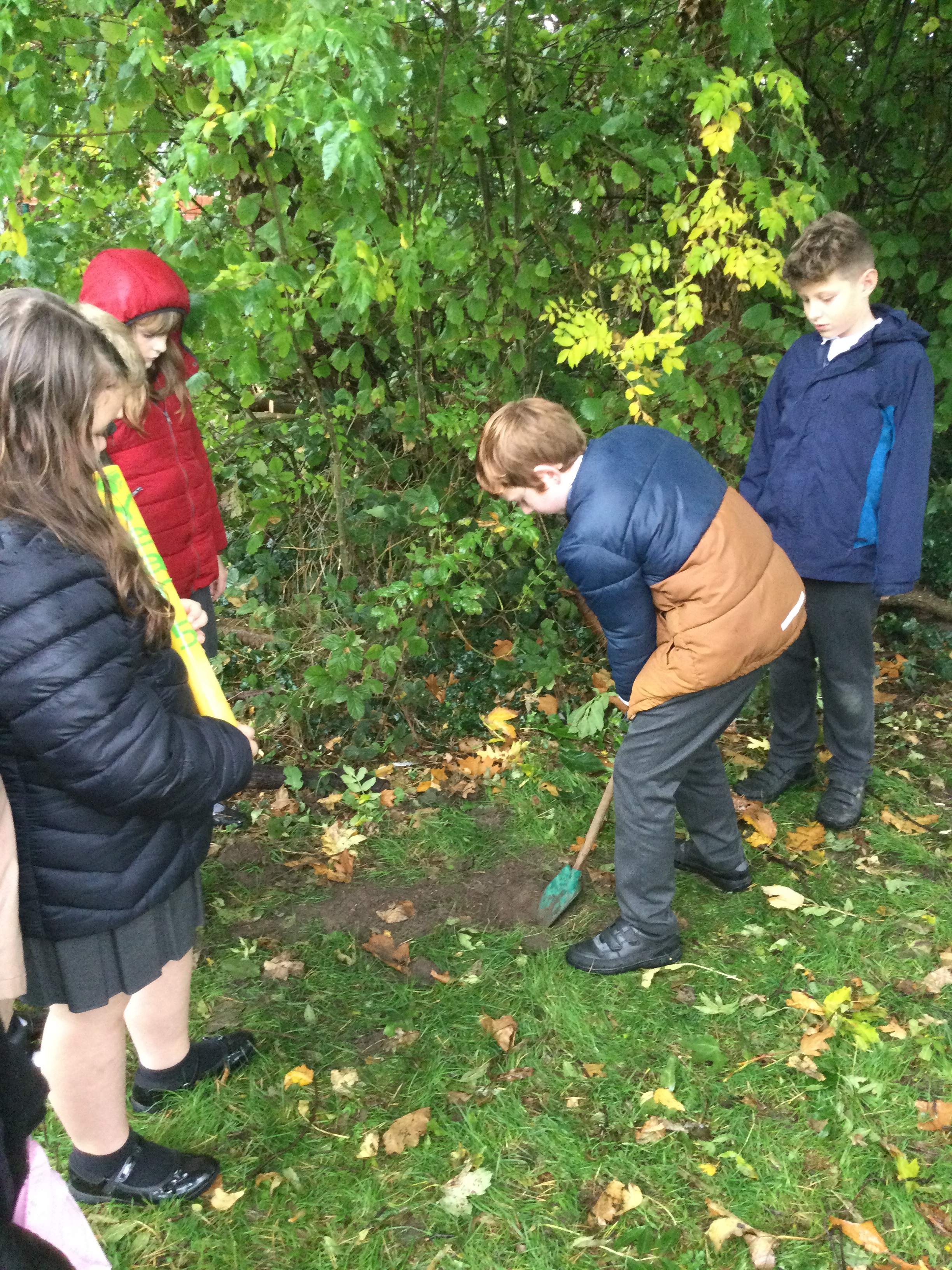
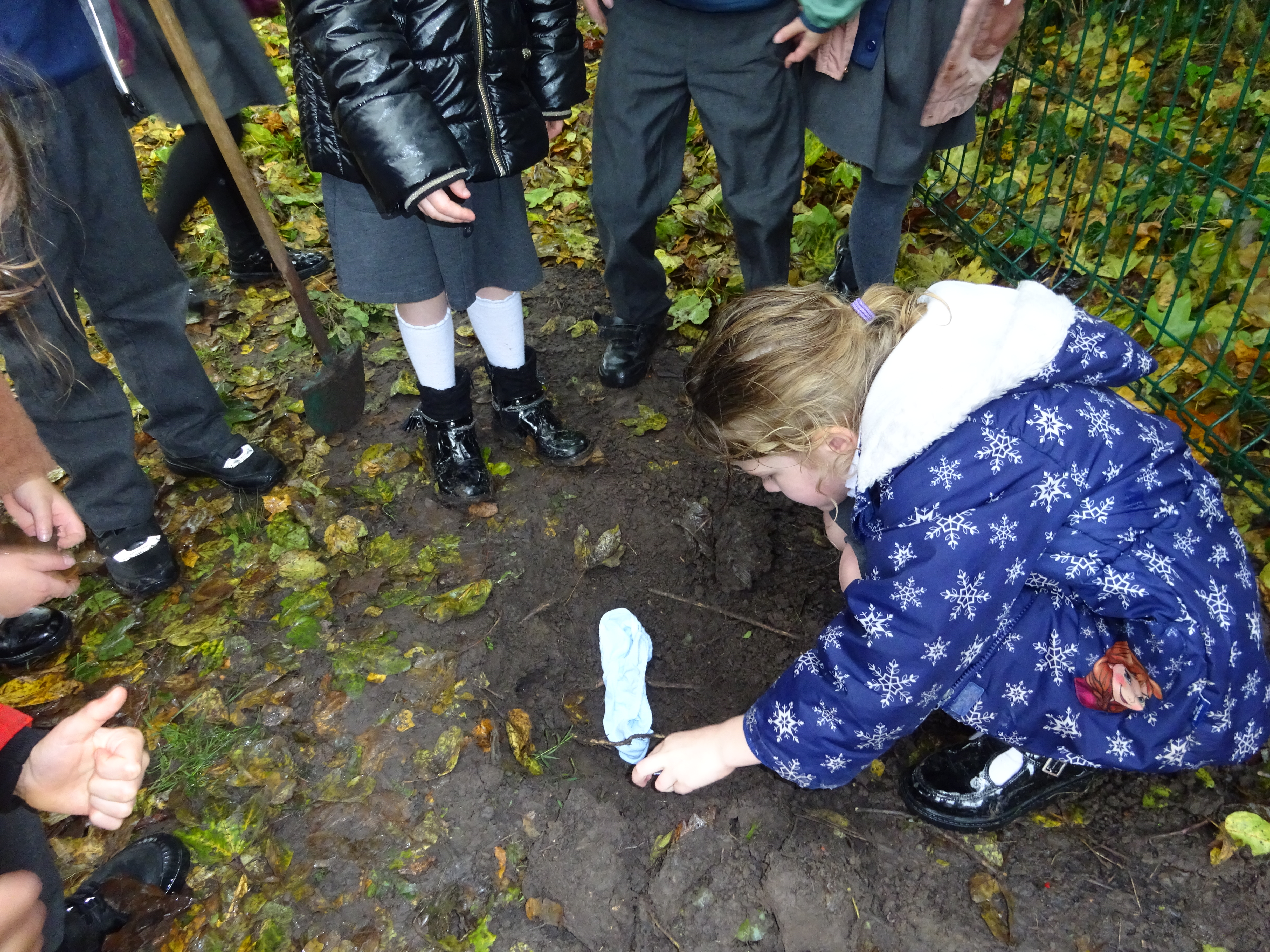
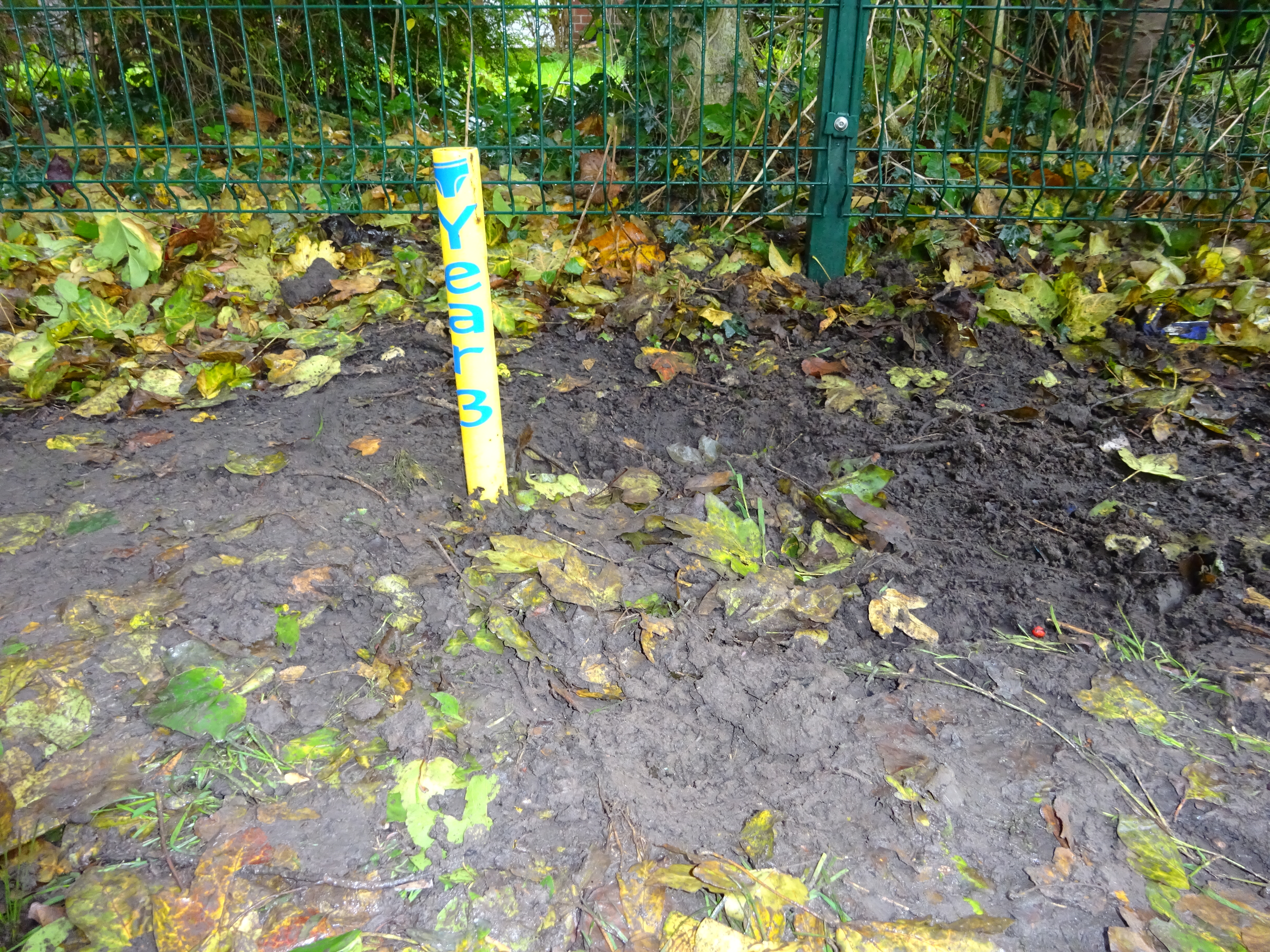
Just before we broke up for half term, we launched our latest Rode Heath school STEM project, which this year is going to revolve around #FarmtoFork. Even though the rain was lashing down, there was much excitement amongst pupils and teachers as each class braved the weather to plant a pair of cotton pants (freshly delivered from Amazon!) to investigate how healthy the soil is in our school grounds.
Testing the soil
For those of you not in the know, this may seem like a very strange thing to do, but it has a real purpose. The idea is that if you plant your pants down far enough – about 20cm into the ground – and leave them for 60+ days, then if your soil is healthy millions of tiny life-forms will literally eat the pants you have buried, leaving just the elastic as evidence. Conversely, if your soil is relatively unhealthy and not teeming with life, then your pants will remain unscathed. Make sure they are 100% cotton (or other natural material) though; otherwise it won’t work.
This fun activity was carried out by farmers earlier this year for the LEAF Open Farm Sunday on 12 June 2022 – and more recently has been a focus of Radio 4’s long running soap, The Archers, so it must be a legitimate thing to do.
I am not sure what our expectations are at Rode Heath but each class chose their area very seriously and marked it with a special yellow pole, designed by our School Business Manager, Edy Hicklin. Now, it’s a waiting game . . . although those children who genuinely expect a cotton tree to grow, are definitely going to be disappointed.
Investing in Hydroponics
So why have we chosen #FarmtoFork as our theme this year? There are a number of reasons, one of which is our desire to make children more aware of how precious and finite our resources are – particularly soil – whilst encouraging them to eat more healthily.
We want to make the food element of our D&T curriculum more purposeful by involving our pupils directly in the growing process, from herbs on their pizzas to tomatoes and cucumbers in their salads – all using a sustainable, low carbon footprint.
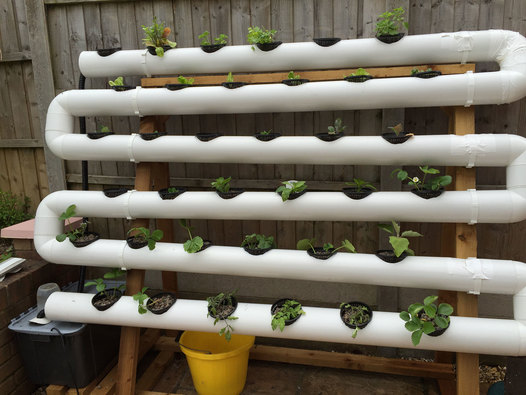
To help us achieve these goals we have invested in 3 hydroponic systems, invented for schools by Sue Tonks from https://hydroveg.co.uk/
The word “hydroponics” comes from the Greek words for “water” and “labour,” and refers to the technique of growing plants without soil. When plants are grown hydroponically, their roots are dipped straight into nutrient-rich solutions. Since they are connected directly to the necessary nutrients, hydroponically-grown plants have smaller root systems. This saves energy and allows it to be diverted to leaf and stem growth. Hydroponic systems require limited space, use 70% LESS water than soil based growing, grow 30% faster, and have no need for herbicides or pesticides, making them a very ‘green’ solution.
Sue will be visiting Rode Heath during Science Week next March and will work with all our pupils to build and populate each system. We will also be encouraging the Rode Heath community to help us grow seedlings and will be asking for volunteers to work with the children to maintain the plants and develop the school garden.
As always, we will be forging links with local businesses such as Mornflake in Crewe and inviting farmers and engineers into school to share their experiences with our pupils.
Real-life Learning
To provide a structure to our planning and further enrich our STEM curriculum, we will be taking part in this year’s Engineering Educates Farmvention Challenge – a brand new campaign created by the University of Manchester’s Science & Engineering Education Research and Innovation Hub (SEERIH) and the NFU, which offers pupils the chance to design solutions for real-world problems related to farming and sustainability.
Launched in September 2022
There are a wealth of excellent resources for both teachers and pupils to engage in from investigating the problems faced by arable farmers to learning about and responding to the challenges of dairy farming. Each strand of the campaign works through the phases of the Engineering Design Process making it an exciting, relevant and purposeful way of delivering the D&T curriculum.
I strongly urge both KS2 and KS3 teachers to take a closer look at what’s on offer by signing up to one of the free introductory webinars.



























































 Think Like An Engineer