A Last-Minute Adventure to Jodrell Bank
It might have been the final week of term, but there was no slowing down at Rode Heath. One of the most exciting events came in the form of a last-minute visit to Jodrell Bank — and not just any visit. Our pupils had the rare opportunity to meet John McFall, the European Space Agency’s (ESA) first parastronaut.
Rode Heath has long been a champion of space education. Our whole-school space project, Out of This World, in 2014–2015 was even endorsed by astronaut Tim Peake. So it was no surprise that we were one of only two primary schools invited to this special event.
A New Look at an Old Favourite
Although our Year 5 pupils visit Jodrell Bank annually, I hadn’t been since the opening of the new First Light Pavilion — and I was eager to see how it enhanced the experience.
The schedule was tight but well-organised. We explored various parts of the site, including the captivating Space Dome, and of course, attended a workshop with John McFall himself.
The Striking First Light Pavilion
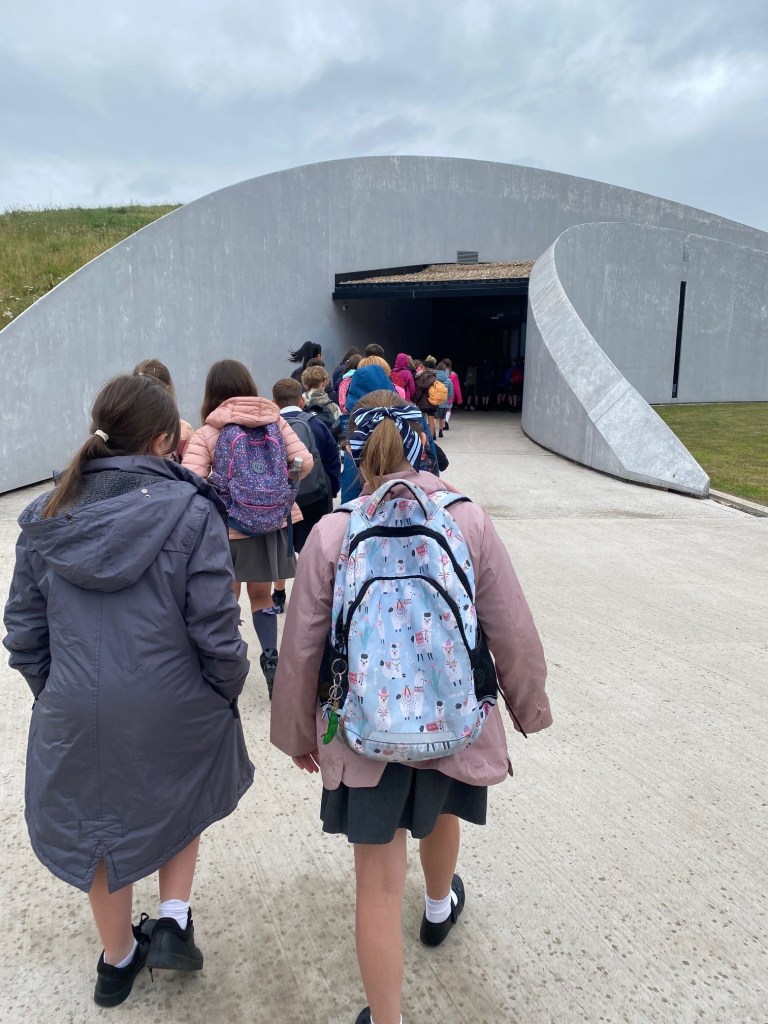
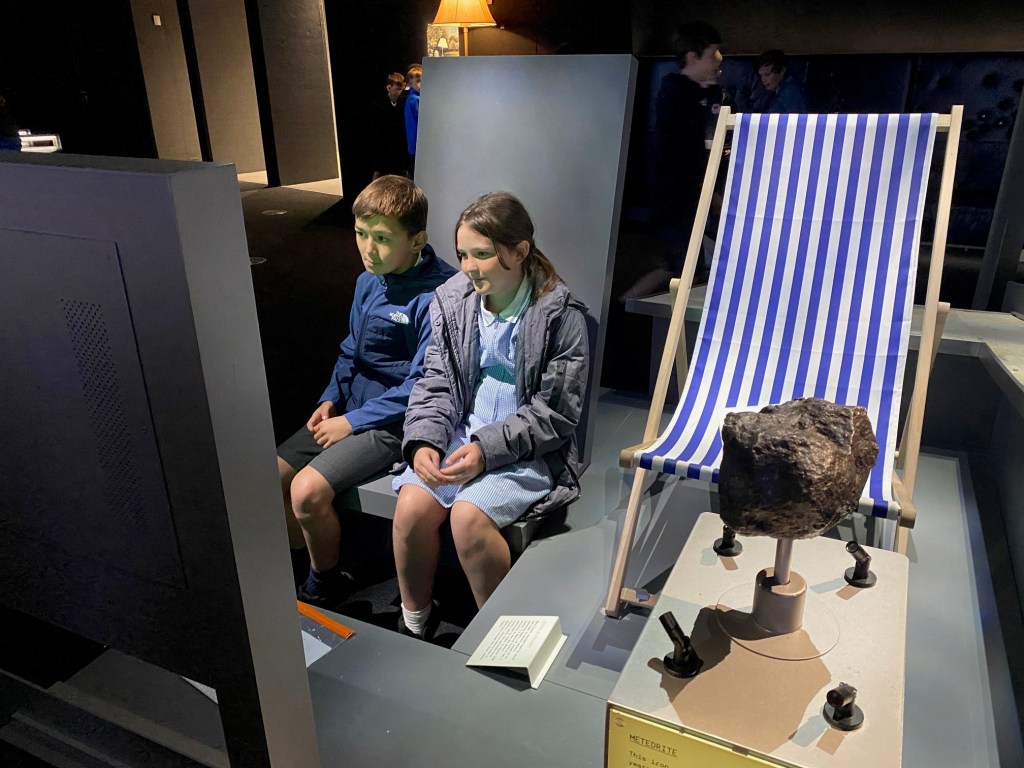
First impressions of the Pavilion were overwhelmingly positive. The architecture is striking — a concrete structure rising from a grassy mound, mirroring the iconic shape of the Lovell Telescope. Inside, we explored the fascinating history of Jodrell Bank through engaging displays and hands-on activities. The children were enthralled: driving a replica of the telescope, completing interactive quizzes, and discussing their discoveries with each other.

A Magical Space Dome Experience
Next, we headed to the Space Dome. Even though our Year 5s had seen the show earlier in the year, they were once again mesmerised. There is always something new to learn, and their questions showed just how much curiosity had been sparked.


Meeting John McFall: A True Inspiration
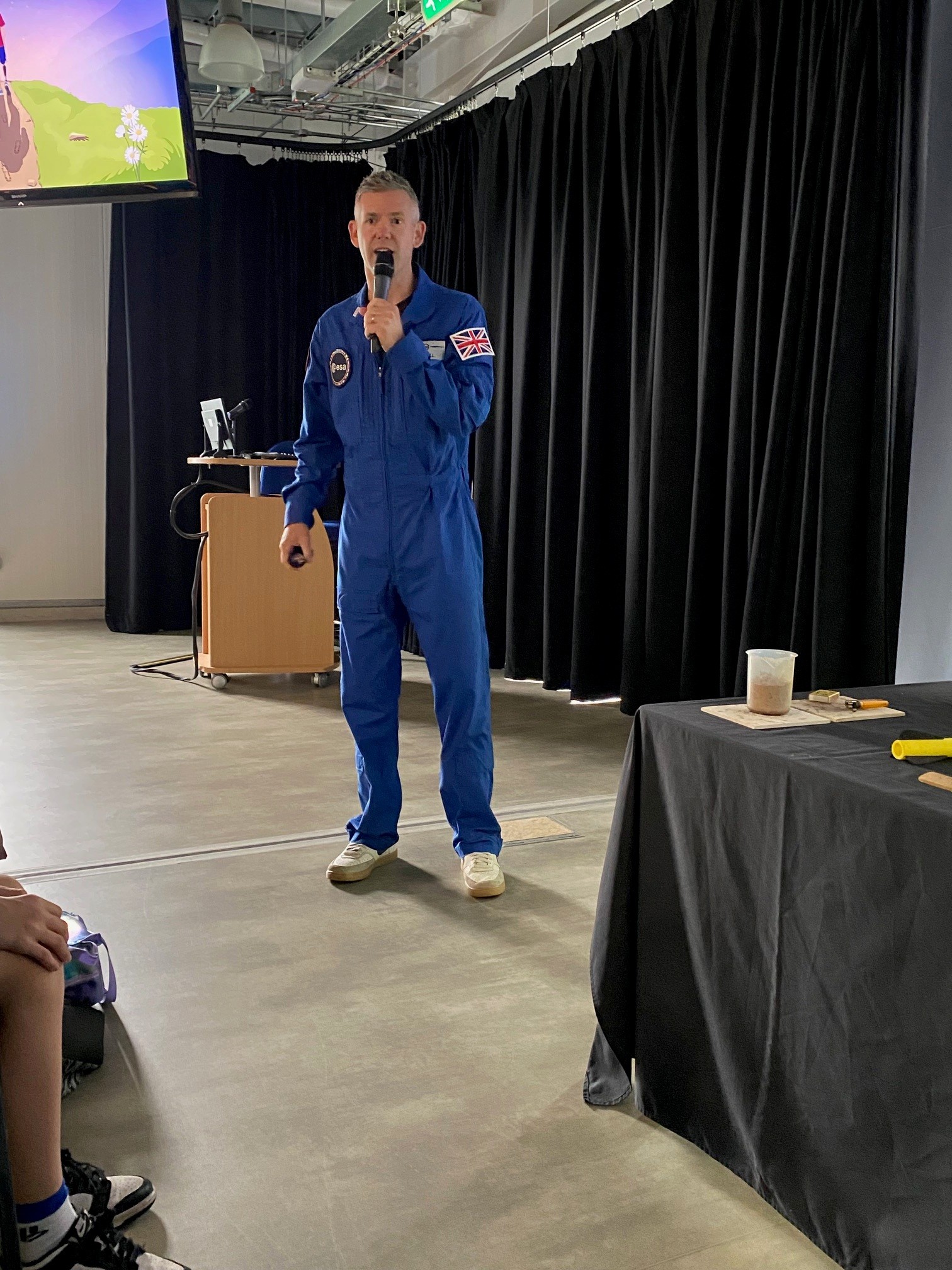
After lunch, we gathered in the Wolfson Auditorium to hear from John McFall. His story was nothing short of inspirational. He spoke about becoming ESA’s first physically impaired astronaut and encouraged the children to “always go that extra mile… life will reward you.”
John lost a leg in a motorcycle accident at 19, but he didn’t let that stop him. A passionate sportsman, he trained to become a professional Paralympic athlete, going on to win a bronze medal for Team GB in the 100m sprint at the Beijing 2008 Paralympic Games.
At 28, he went back to university — already holding two degrees — to train as a doctor. In 2016, he became a member of the Royal College of Surgeons and now works as a Trauma and Orthopaedic Specialist Registrar in the south of England.
So, when ESA launched a feasibility study exploring how to send a physically impaired astronaut to the ISS, John jumped at the chance — and was selected. He shared photos and insights from his 18-month training, and the children were amazed by the intensity and breadth of the preparation.

Hands-On Astronaut Training
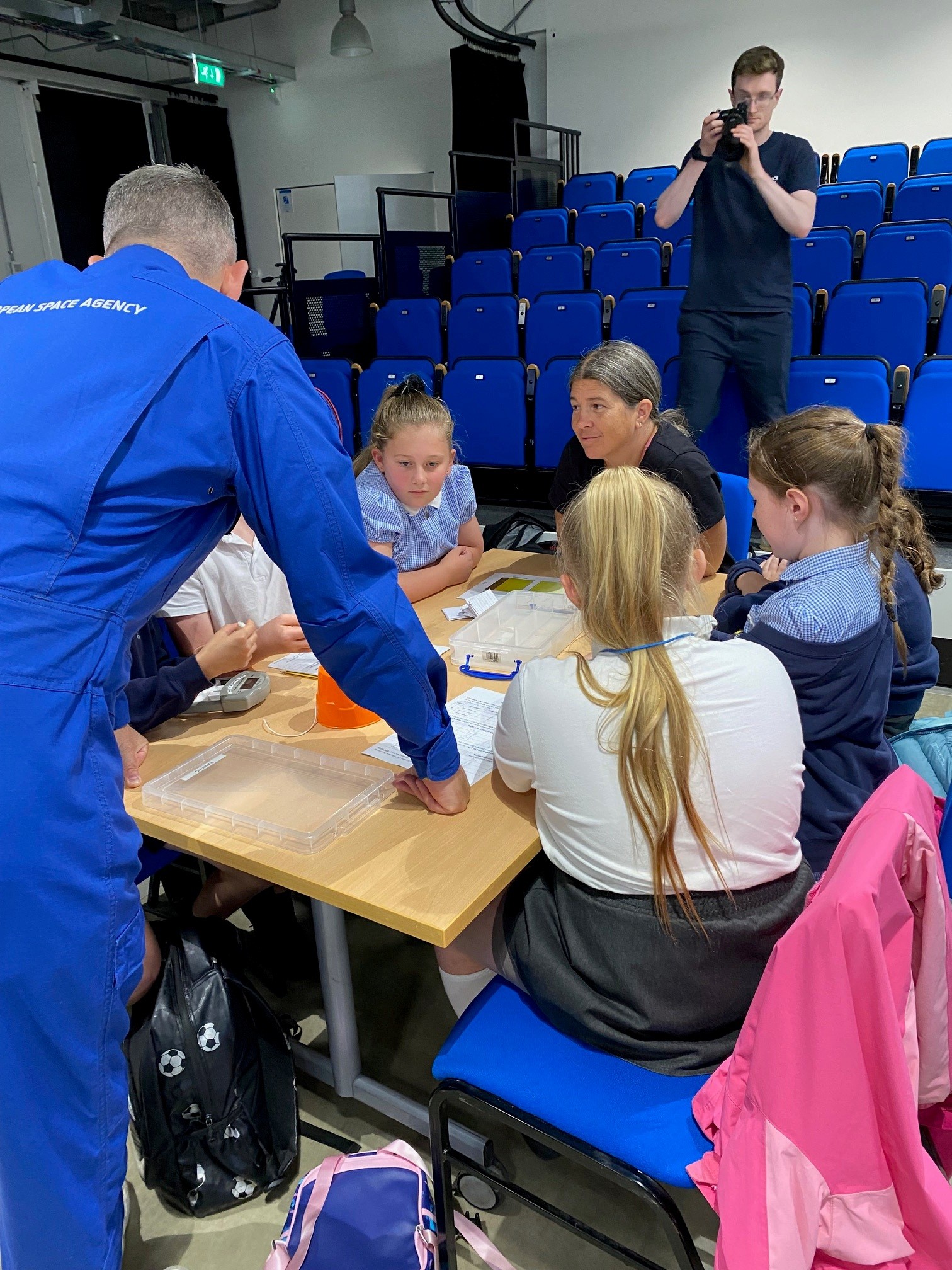
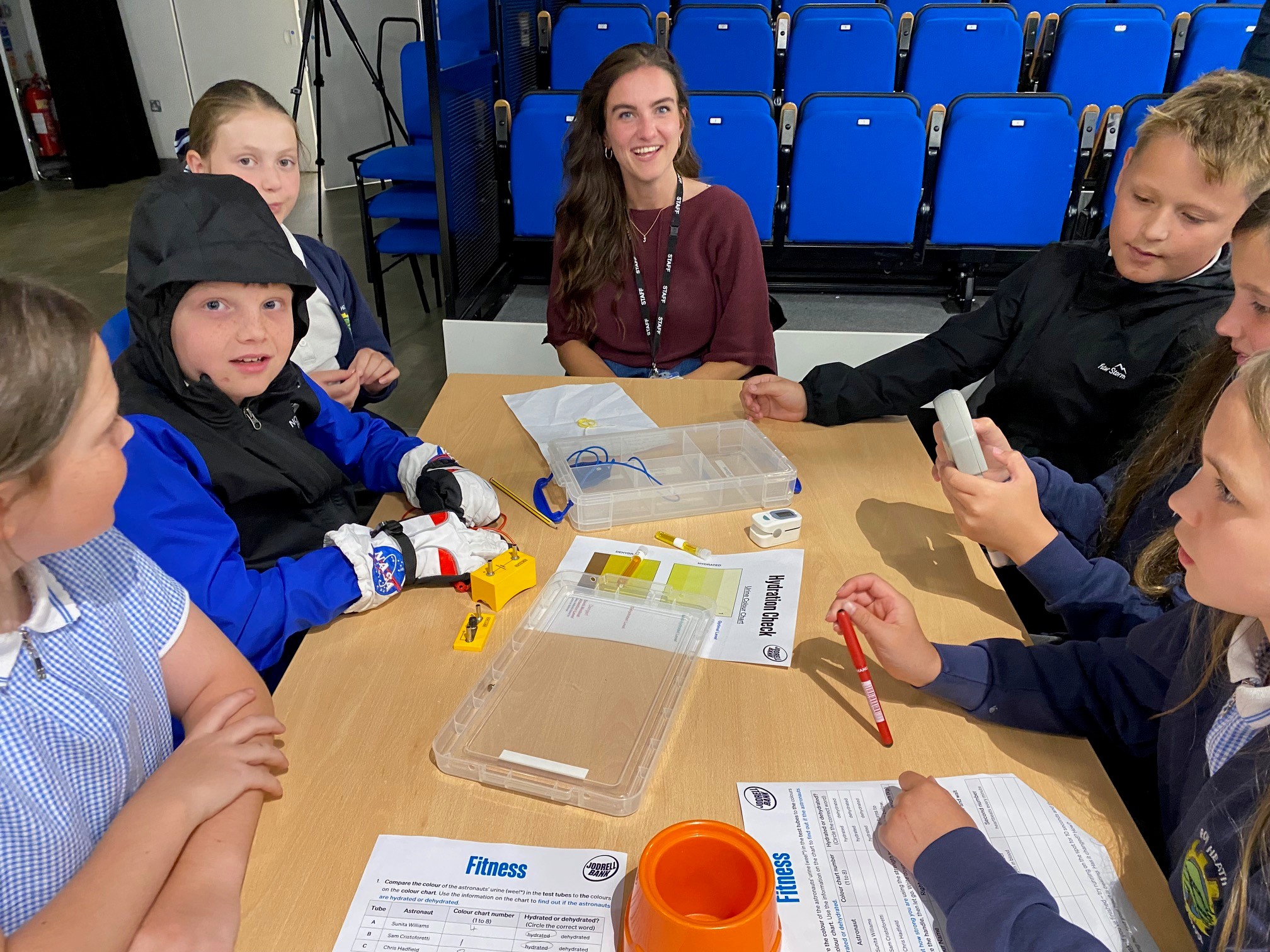
After his presentation, John led a series of interactive, space-themed challenges. The children tested their strength, measured their blood oxygen levels, and attempted to build circuits while wearing bulky astronaut gloves — a real test of perseverance and teamwork! It reminded me of my own experiences as an ESA Space Ambassador during Tim Peake’s Principia Mission.
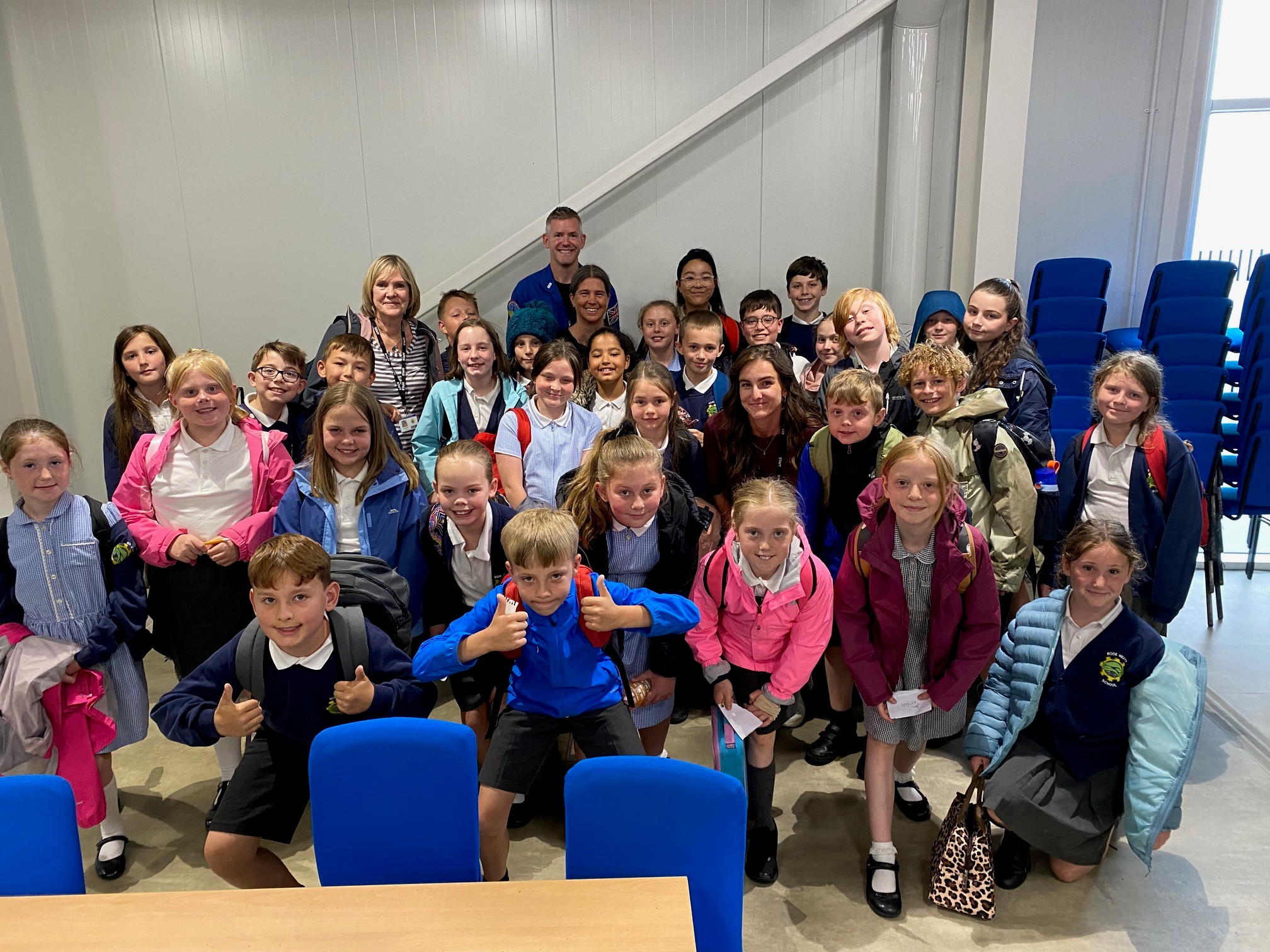
John moved among the groups, speaking to the children, encouraging them, and making each of them feel seen and valued. His humility and warmth made a lasting impression.


Looking to the Stars
Too soon, the day came to an end. We returned to school, full of stories and inspiration to share. Our Year 5s were buzzing with excitement — and we know they’ll be following John’s journey closely as he prepares for his first mission to the ISS.
As we said goodbye to our Year 6 pupils in their final assembly, we reflected on John’s powerful words:
“Always go that extra mile… life will reward you.”
A badge with this very quote is stitched onto his ESA flight suit — a lasting reminder of where resilience, curiosity, and determination can take you.







 Think Like An Engineer