Another Science Week has come to a close at Rode Heath – and what a fantastic week it has been. Last year we reached for the stars, celebrating the 10-year anniversary of our Out of This World space project, inspired by Tim Peake. This year, however, we plunged into the depths of the ocean, helped by a team from the National Oceanography Centre.
The Inspiration Behind Ocean Week
Our Ocean-themed week was inspired by a two-day workshop I attended at the STEM Learning Centre in York in November of last year. This was a gathering of teachers, university lecturers and scientists from a range of marine conservation organisations, all working together to design ways to inspire primary school pupils to consider future careers connected to the ocean.
Having previously introduced engineering into the primary curriculum, I was interested to learn more about existing teaching materials related to the ocean and to be involved in discussions about how marine topics could be integrated into classroom learning. The ocean is a fascinating and hugely appealing subject for children – and, in many ways, it remains less explored than space. For teachers, it offers a wealth of opportunities to spark curiosity and introduce real-world science. There seemed to be many opportunities within both science and other curriculum areas where a marine example might be used to inspire and engage.

Building an Ocean Curriculum
Armed with new knowledge and ideas from the workshop, I began thinking about how these could be incorporated into our next Science Week once I returned to school. During the workshop, we discussed the 7 Ocean Literacy Principles, originally developed in the United States to encourage teaching about the ocean in schools, and I decided to use these as a framework around which our Ocean Week could be structured.
Once I began researching online, I quickly discovered just how many resources were available. One of the most useful websites I discovered was Encounter Edu (https://encounteredu.com), which provides a wide range of engaging activities, lesson plans and PowerPoints. It even hosted a live online Science Week lesson, which several of our classes were able to join.
A Week of Ocean Exploration
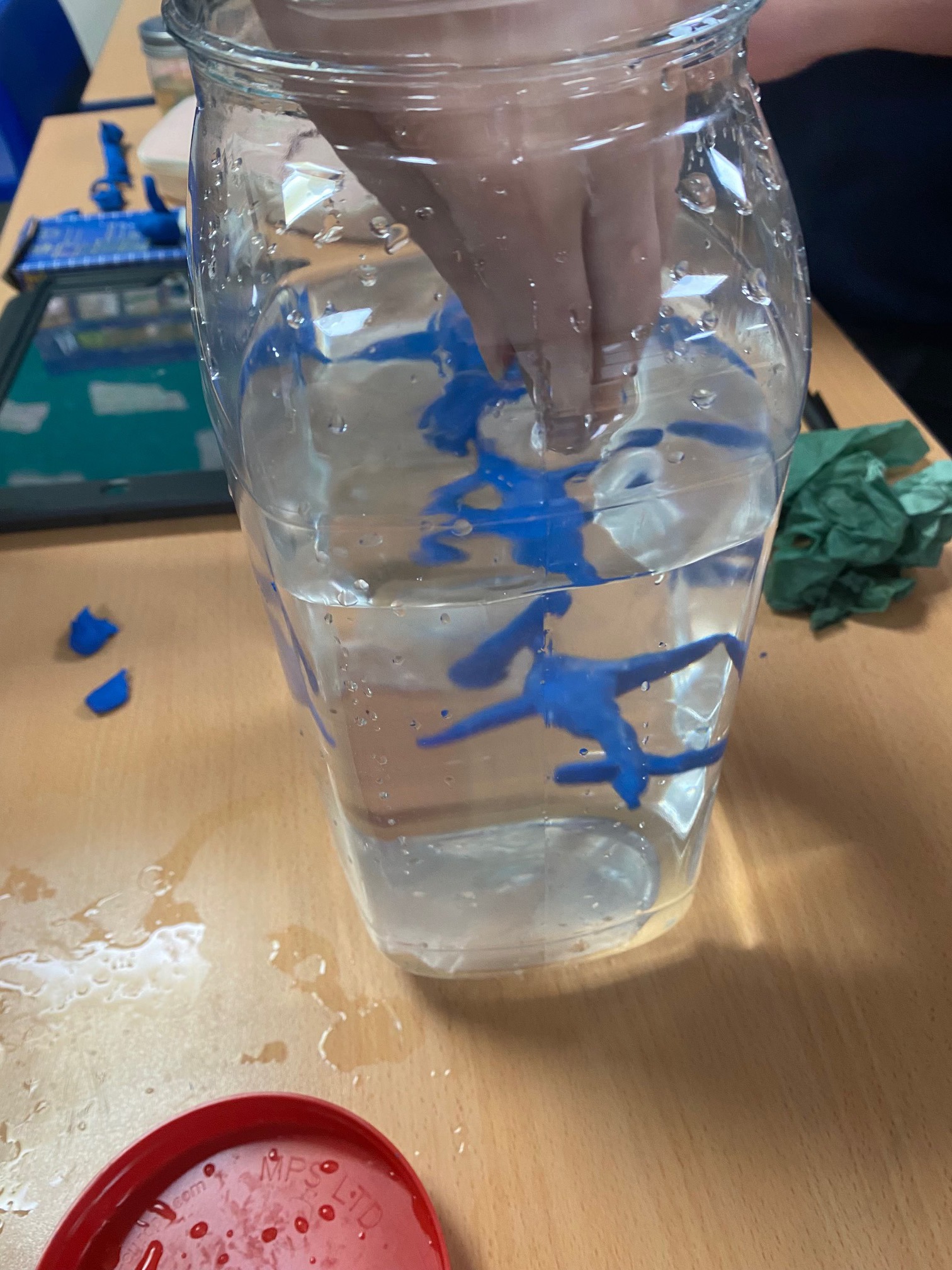
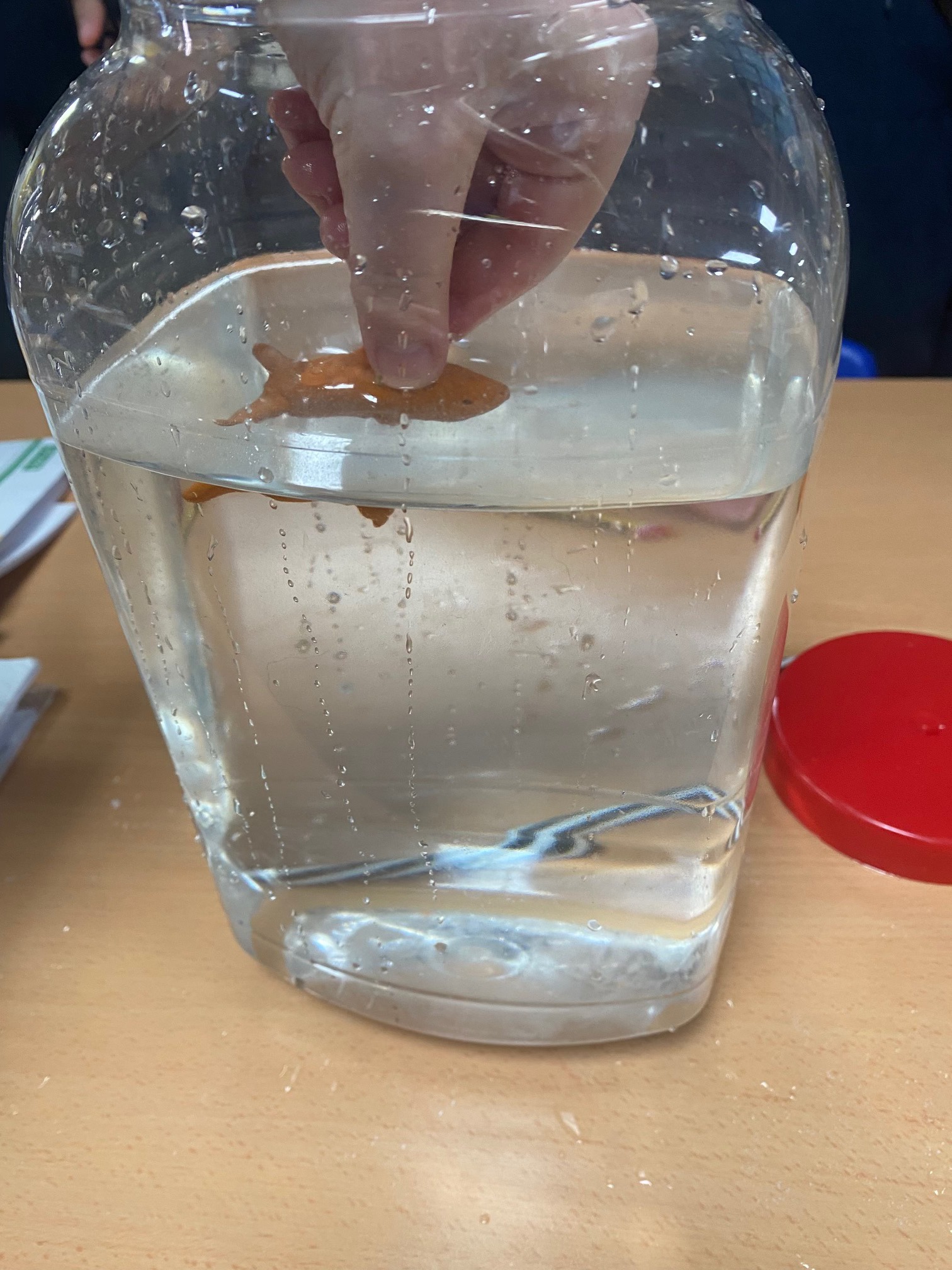
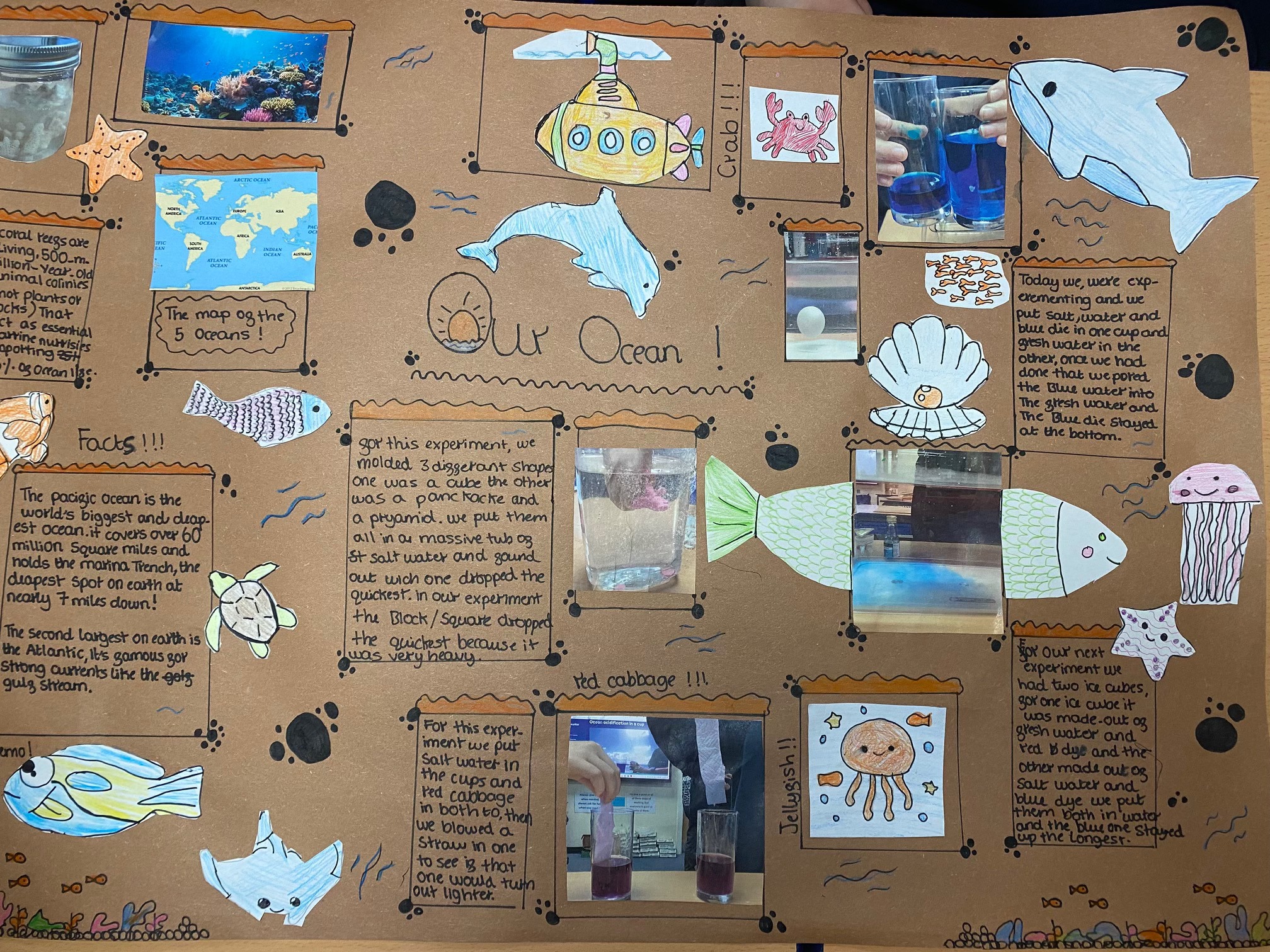
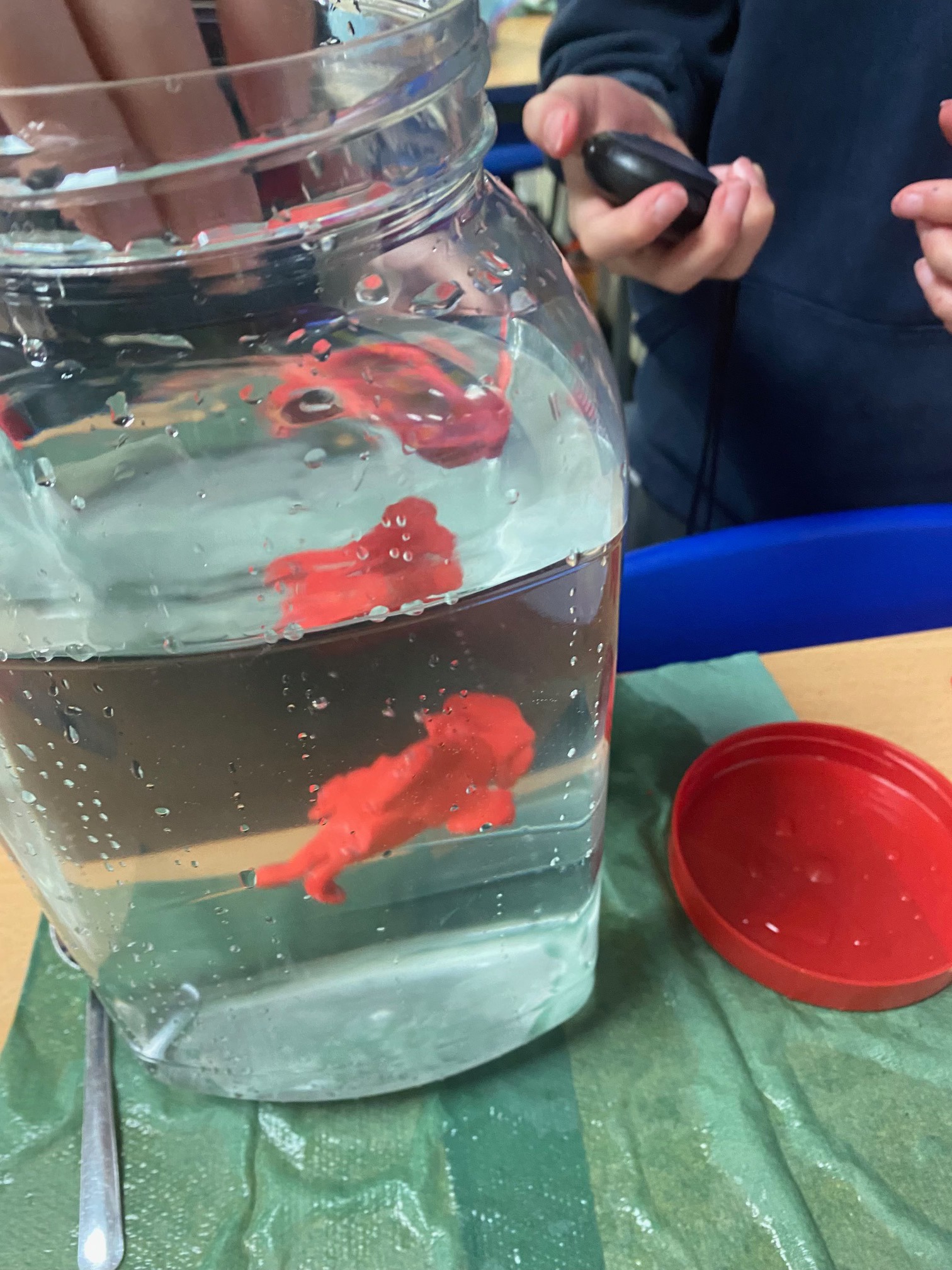
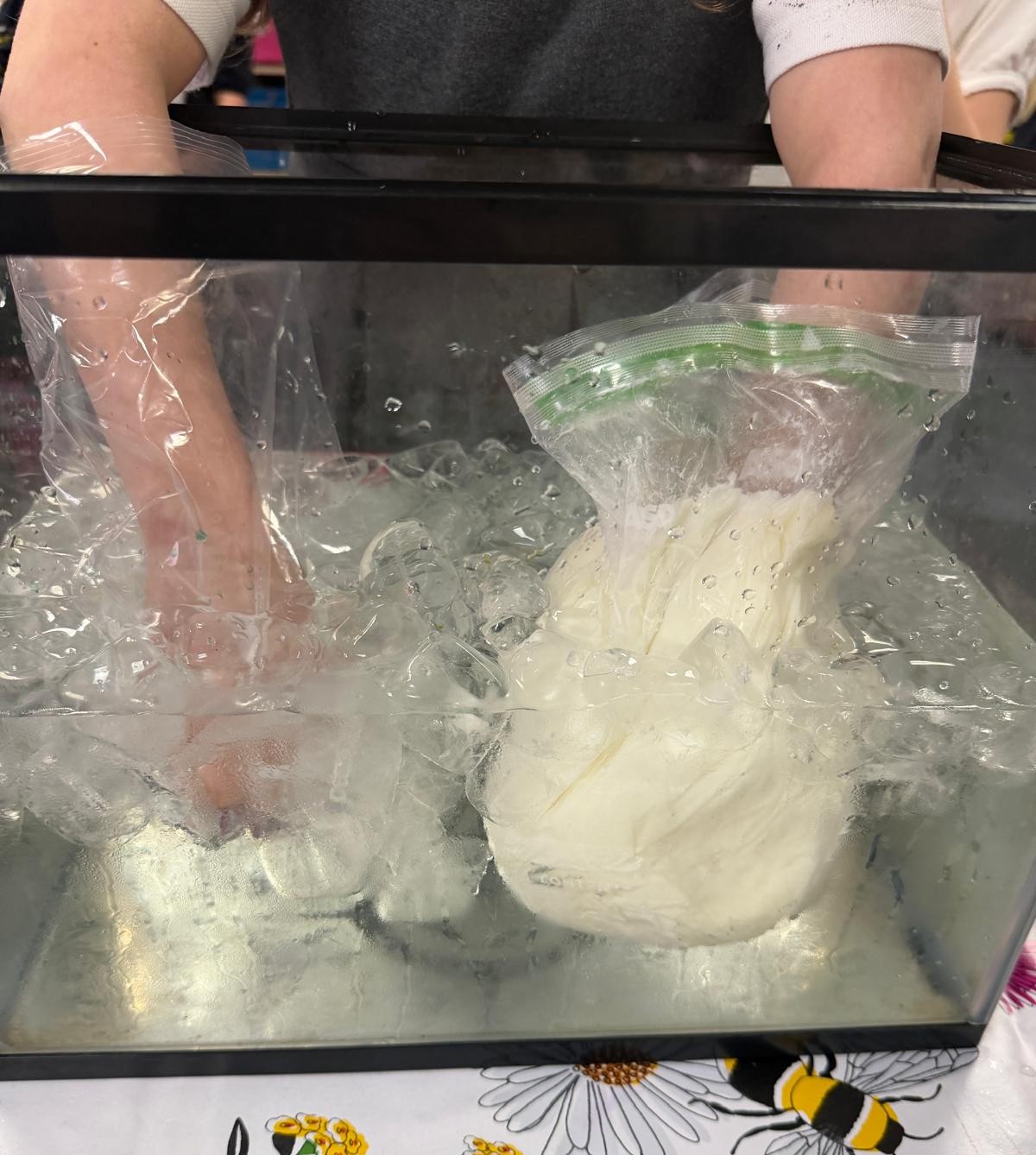
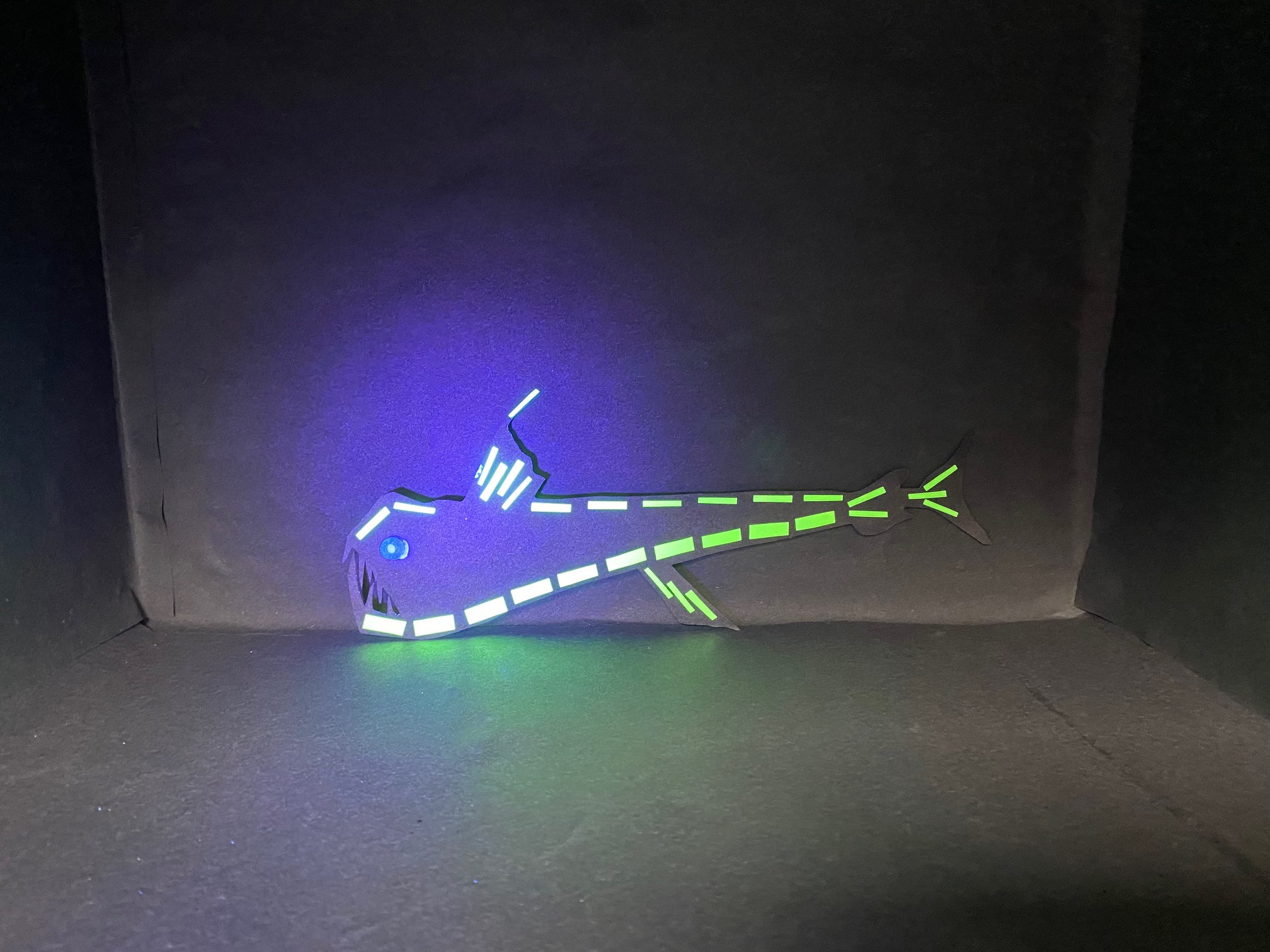
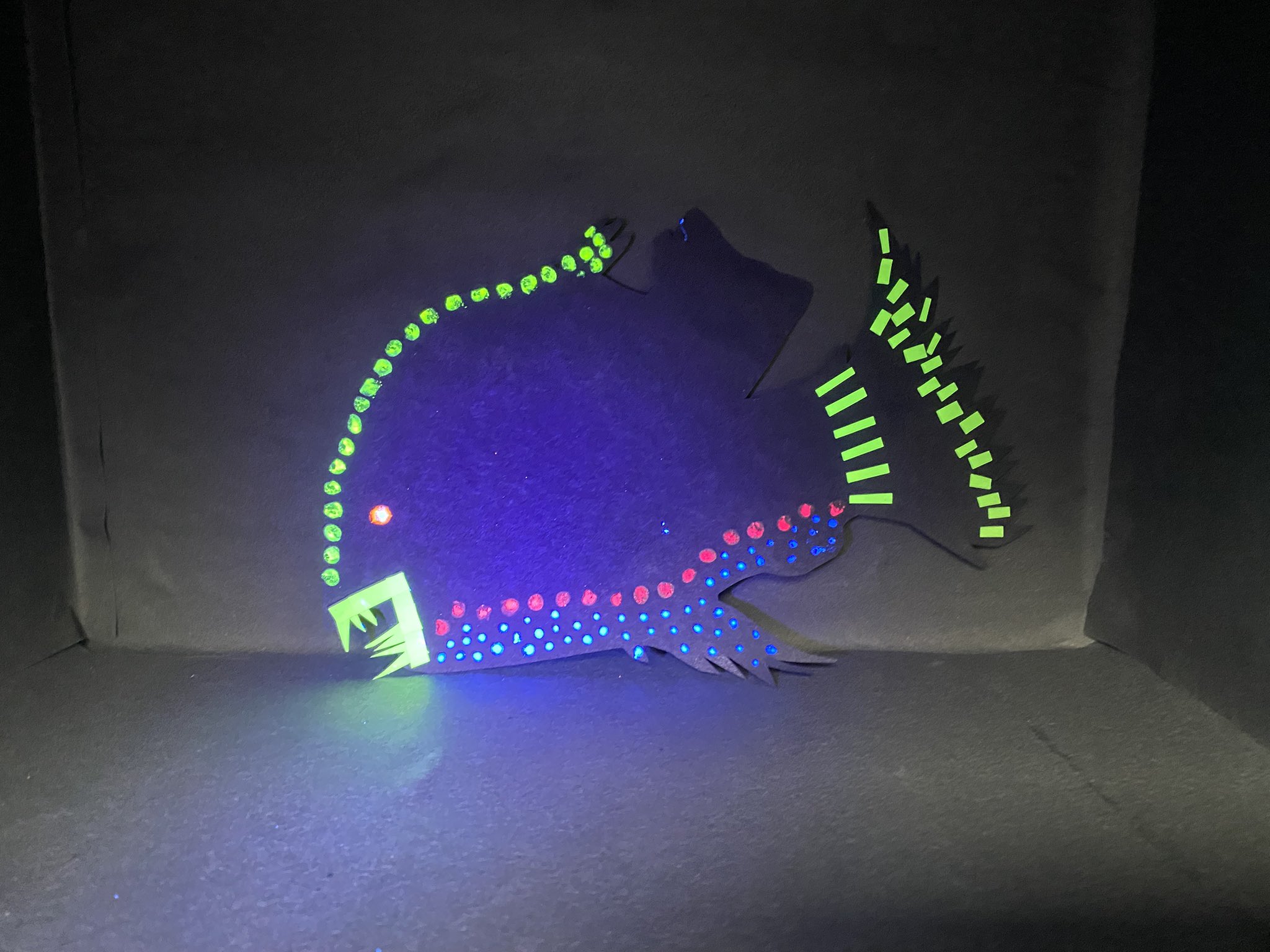
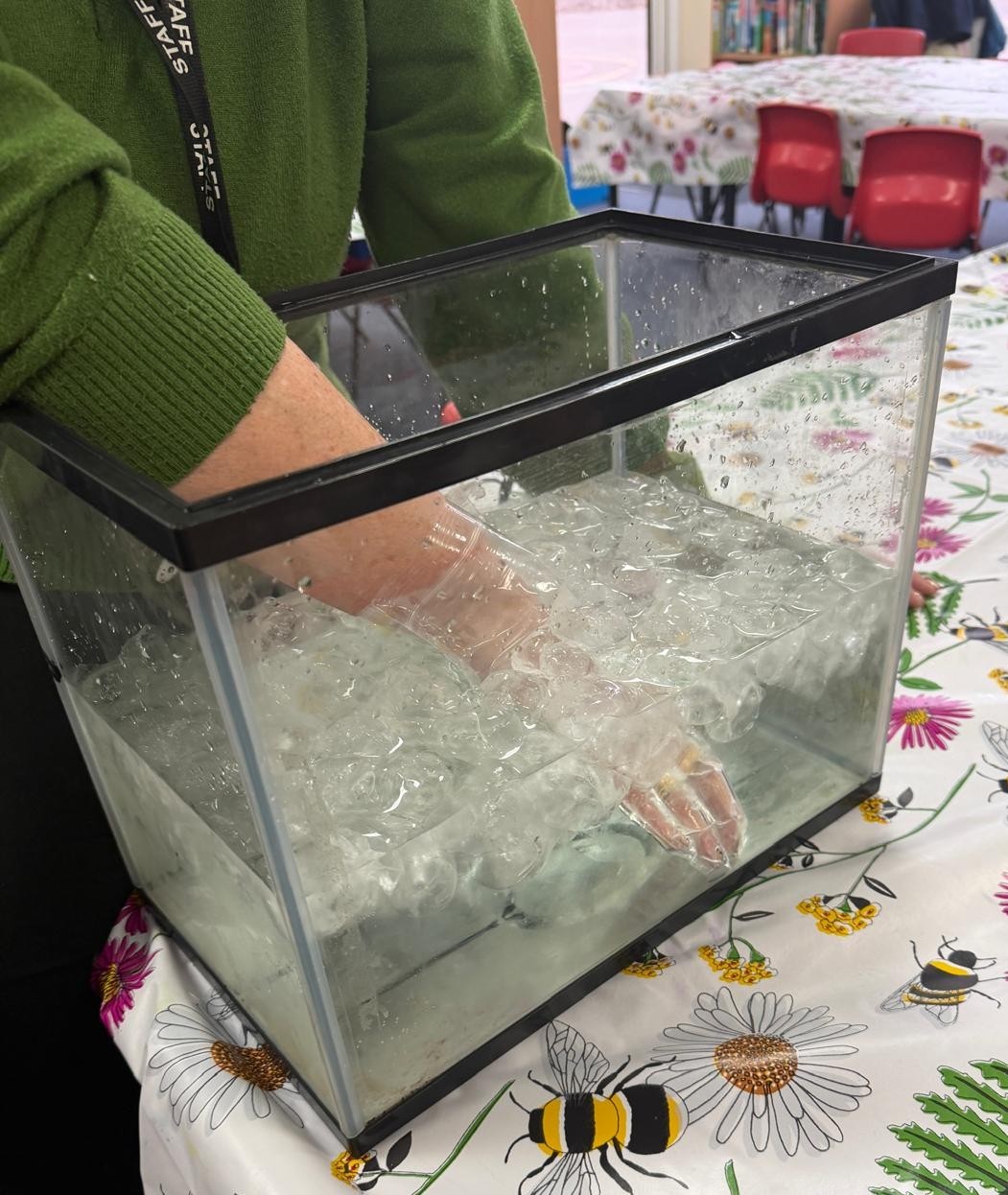
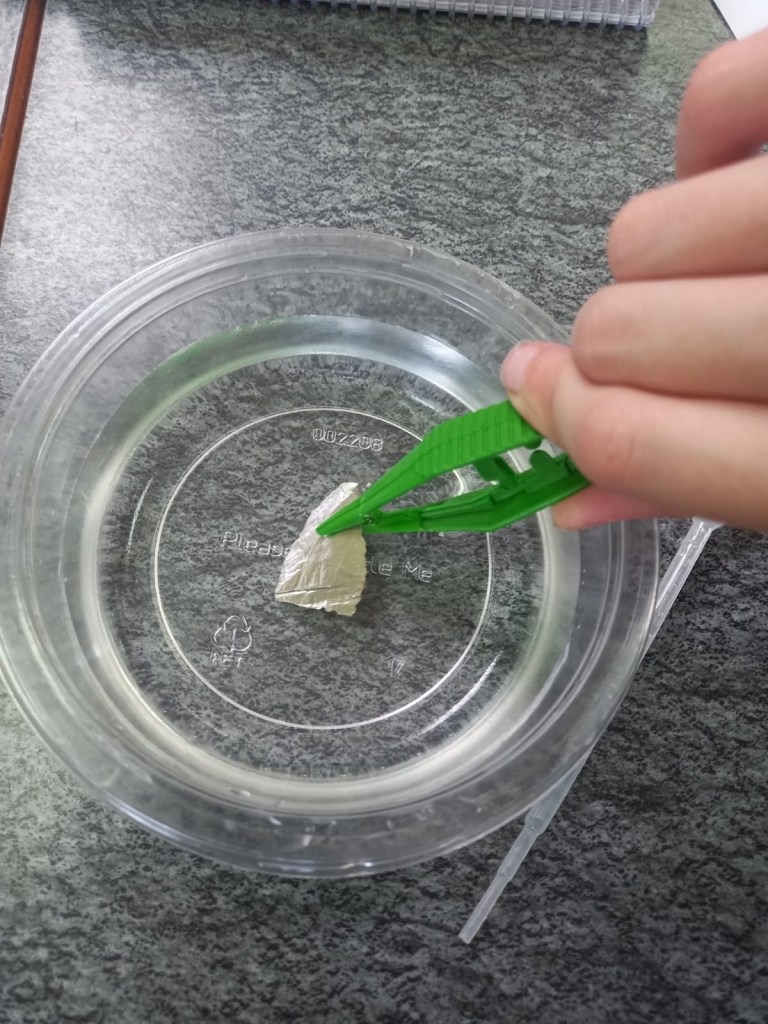
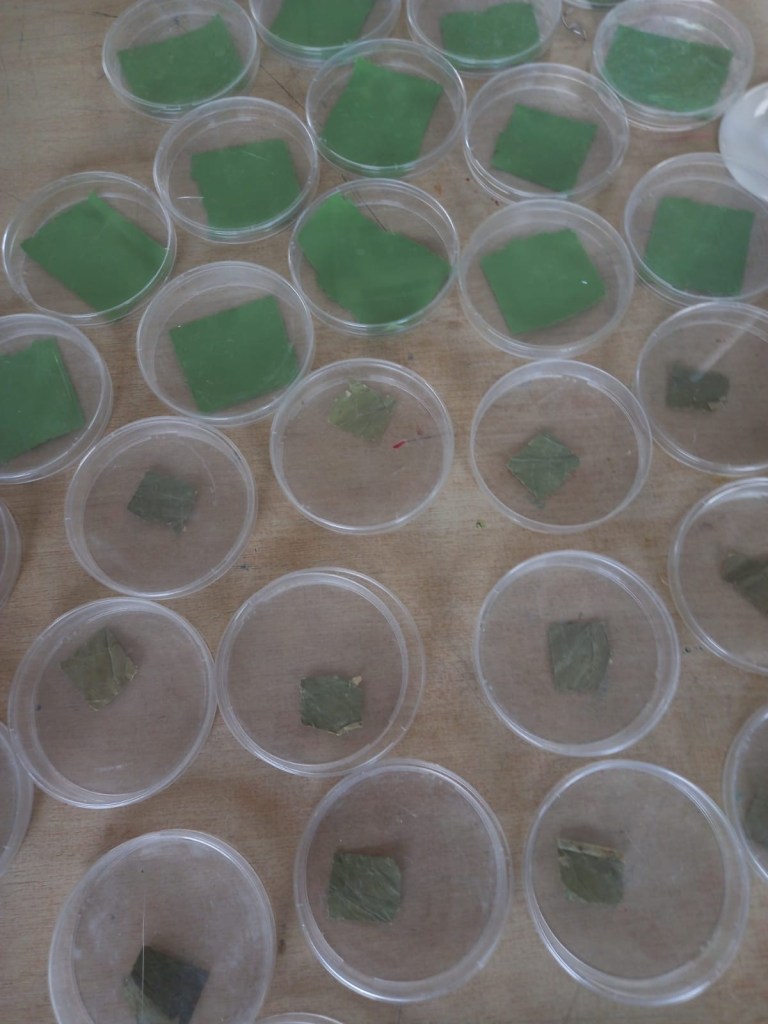
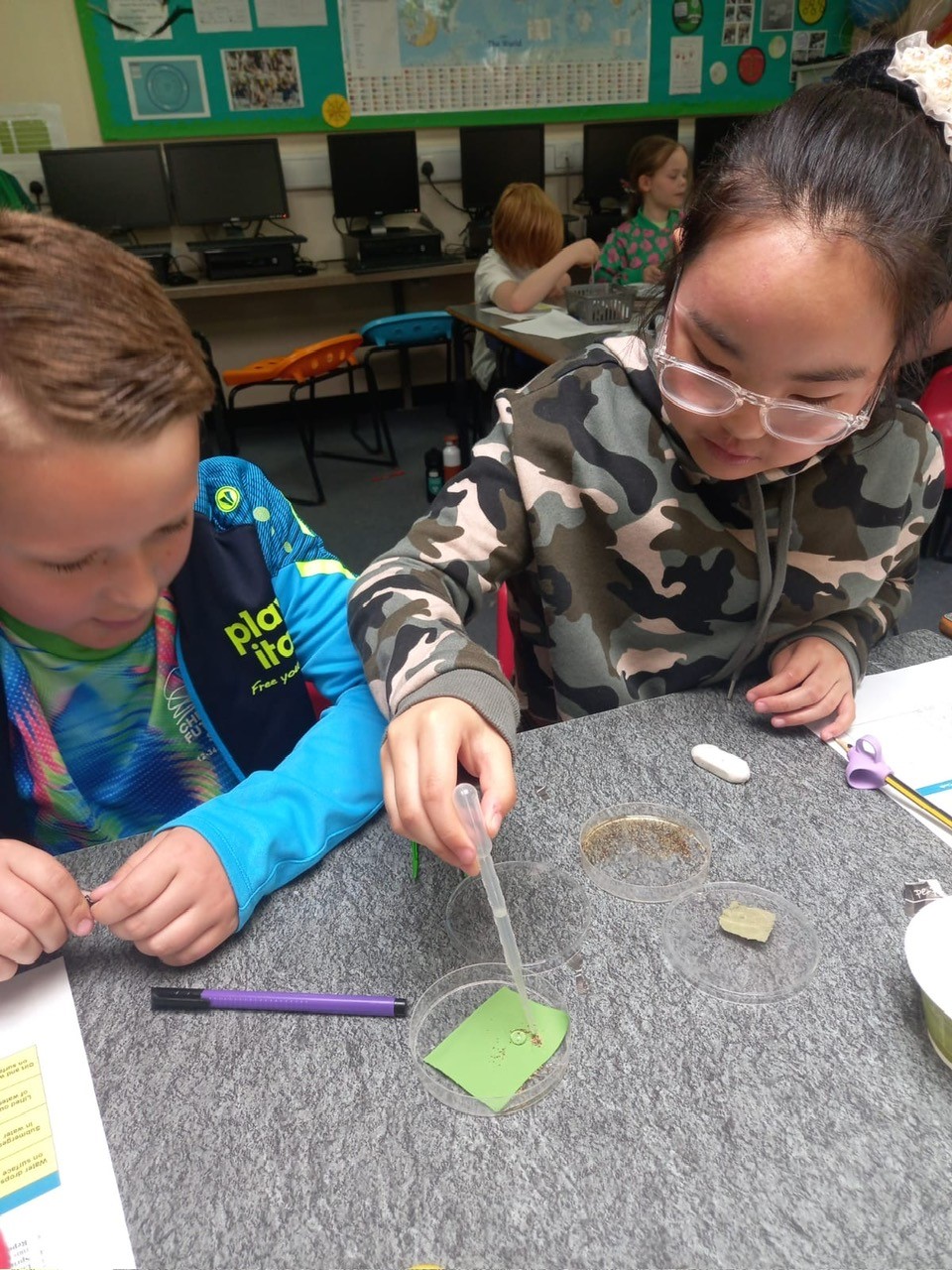
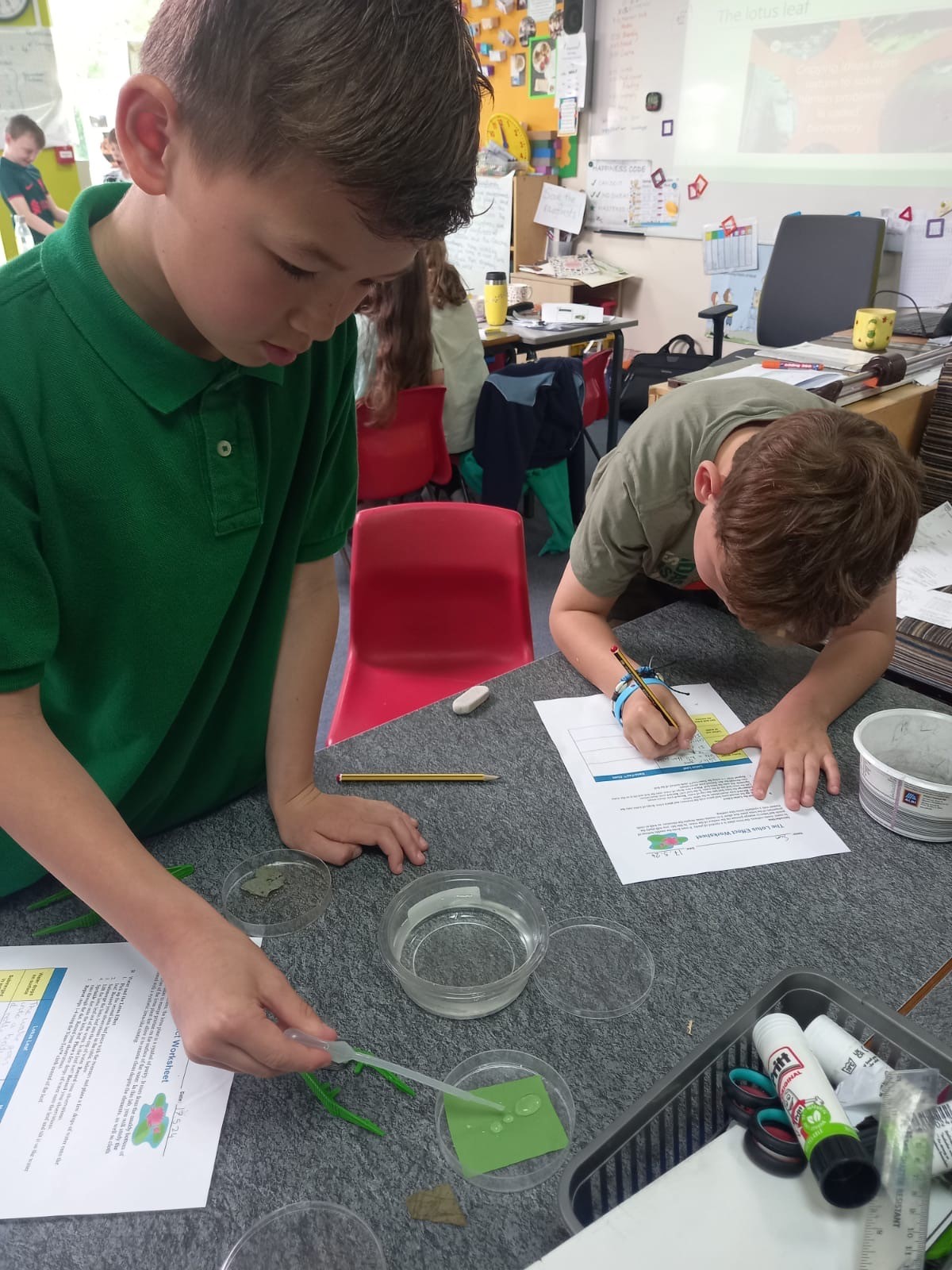
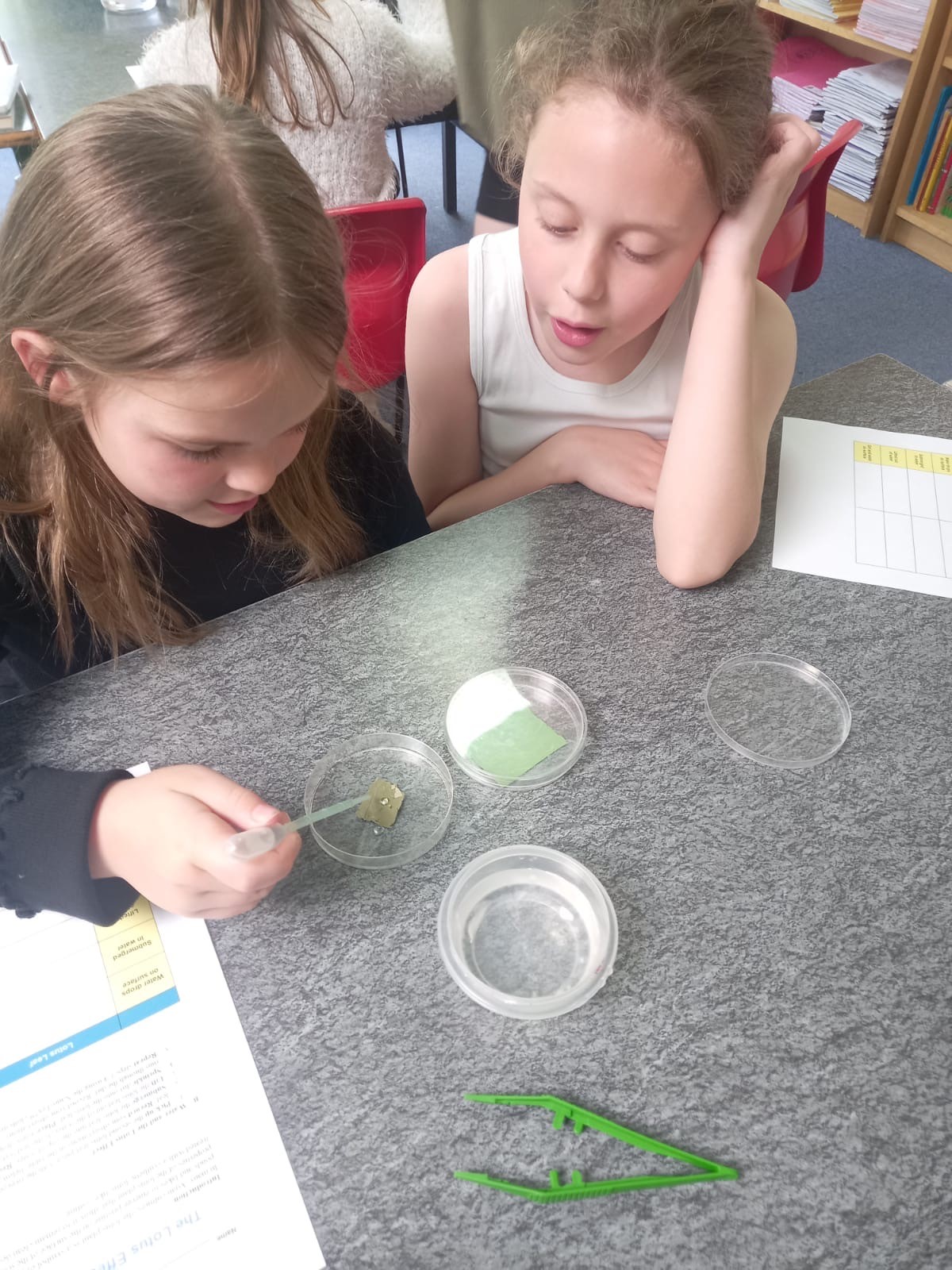
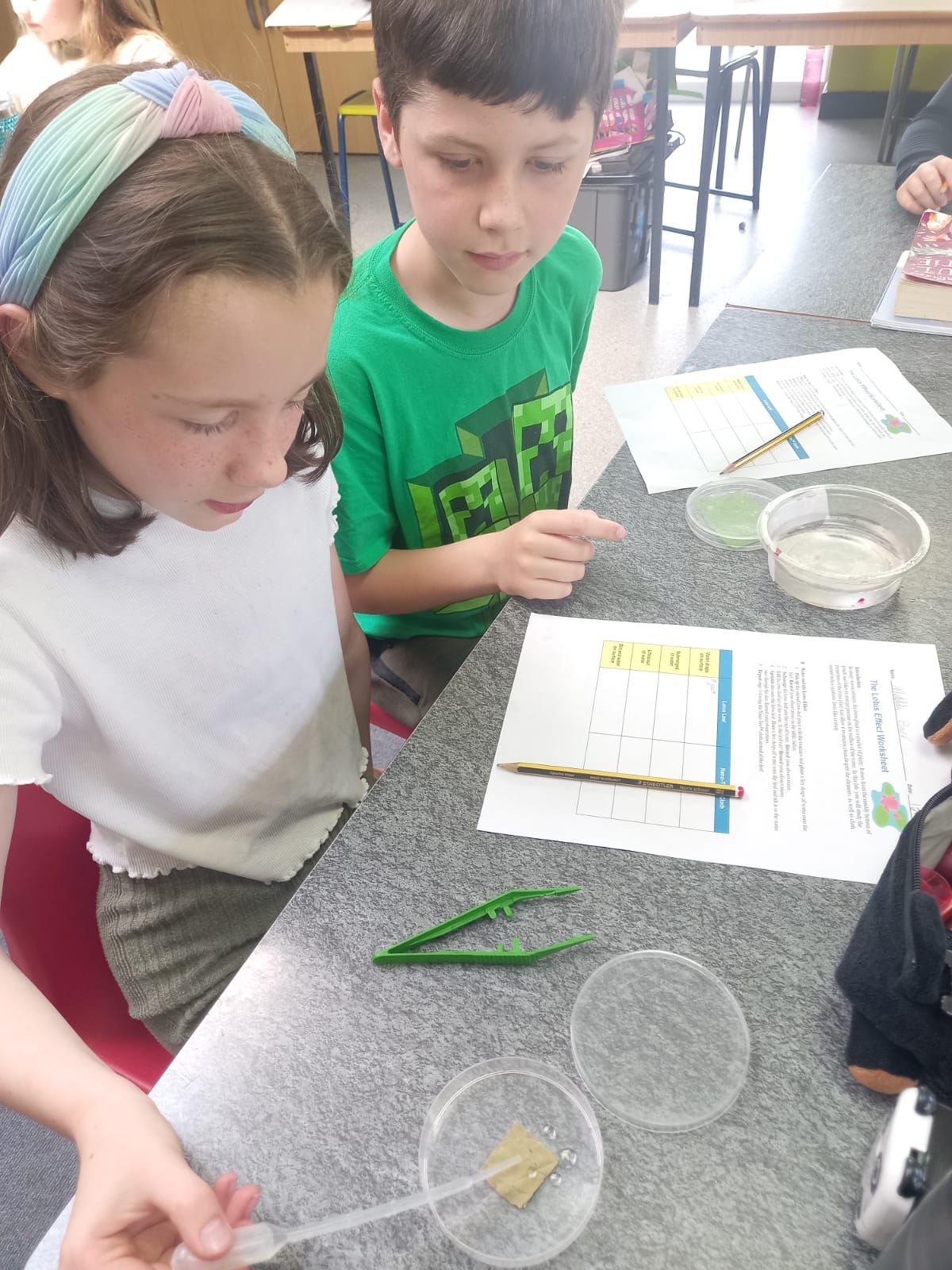
With the framework in place, each class explored a different aspect of ocean science during the week. From investigating ocean currents and wave energy to exploring biomimicry and the effects of ocean acidification, pupils were able to experience the ocean through hands-on investigations and practical STEM challenges.
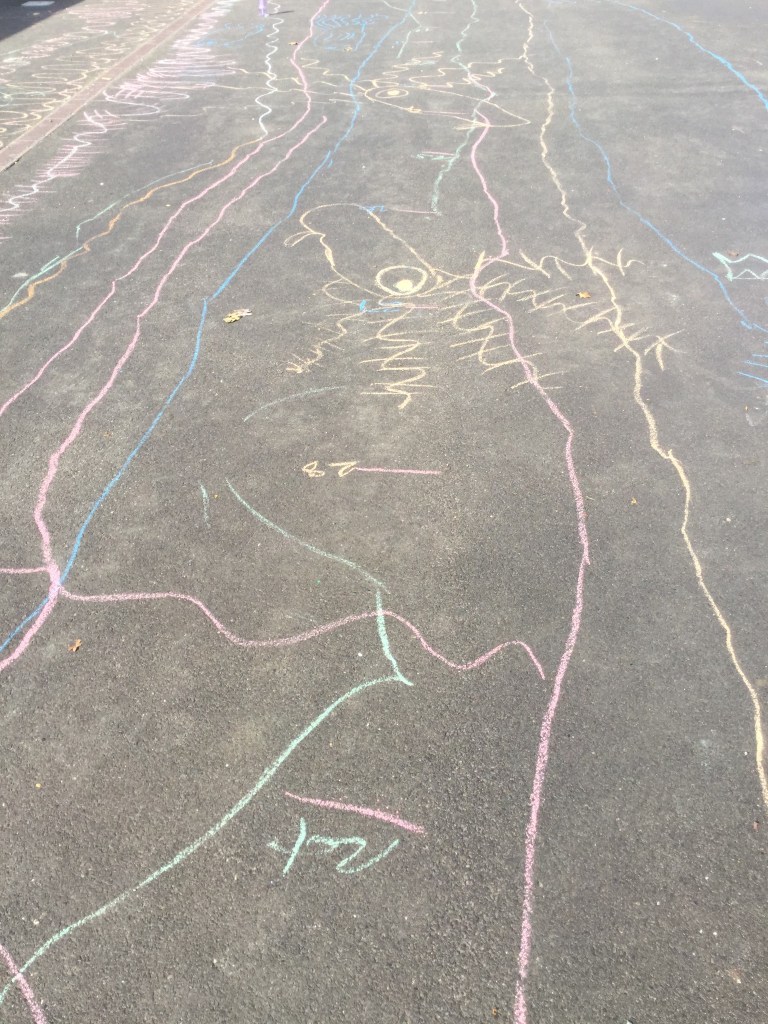
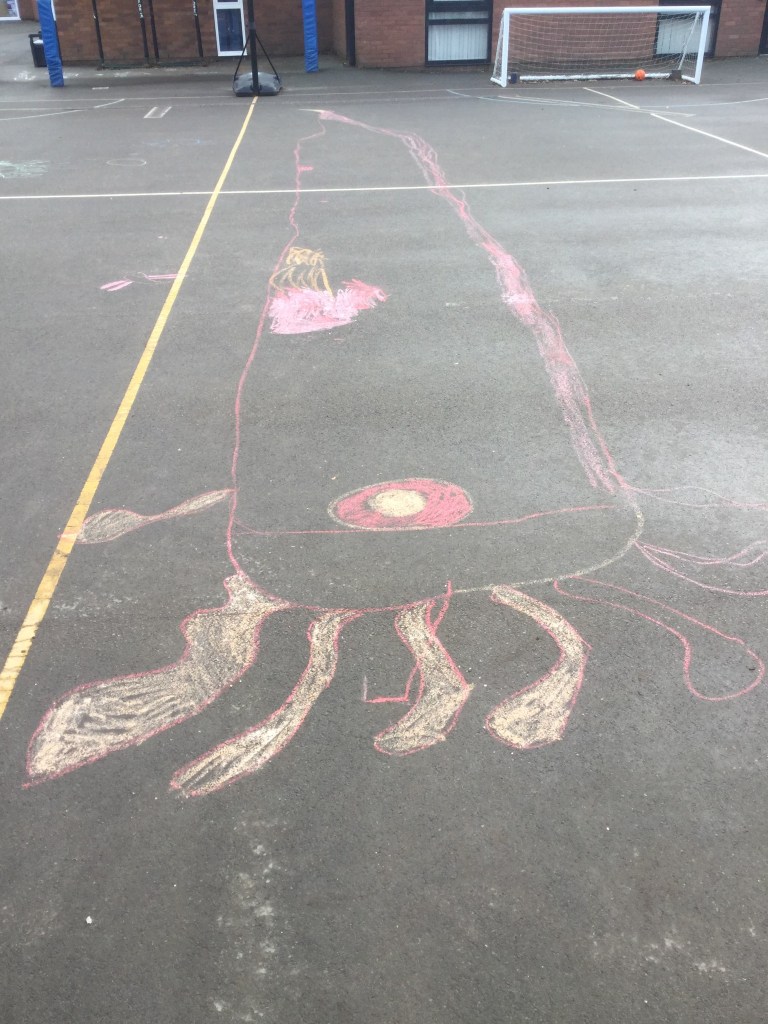
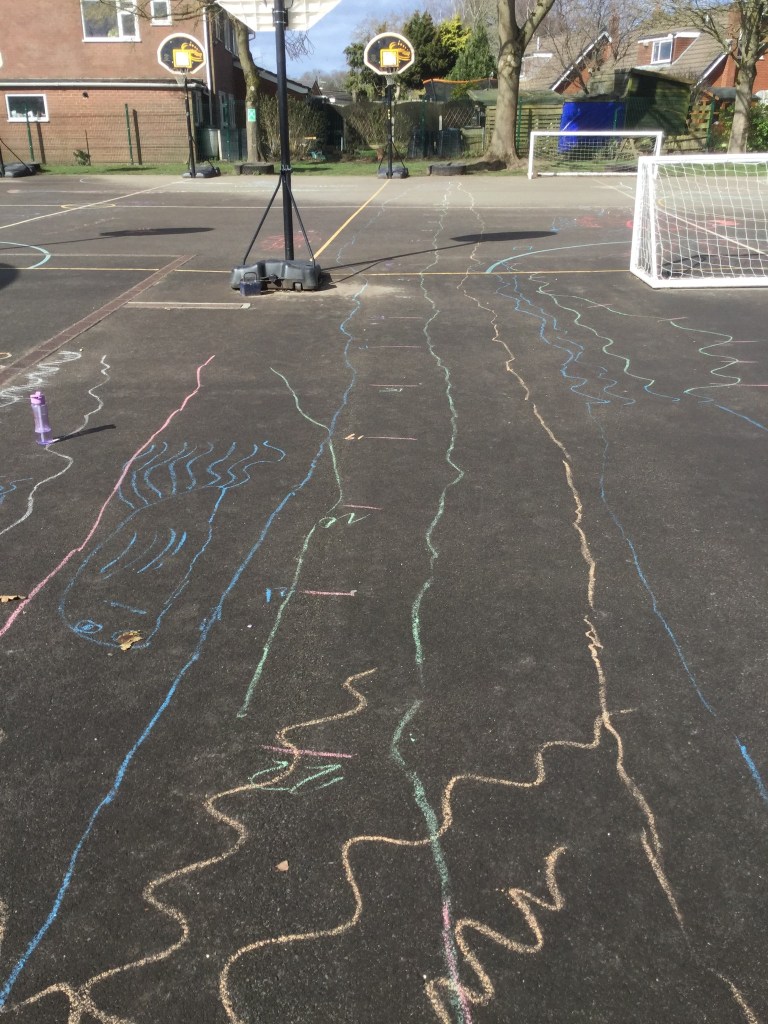

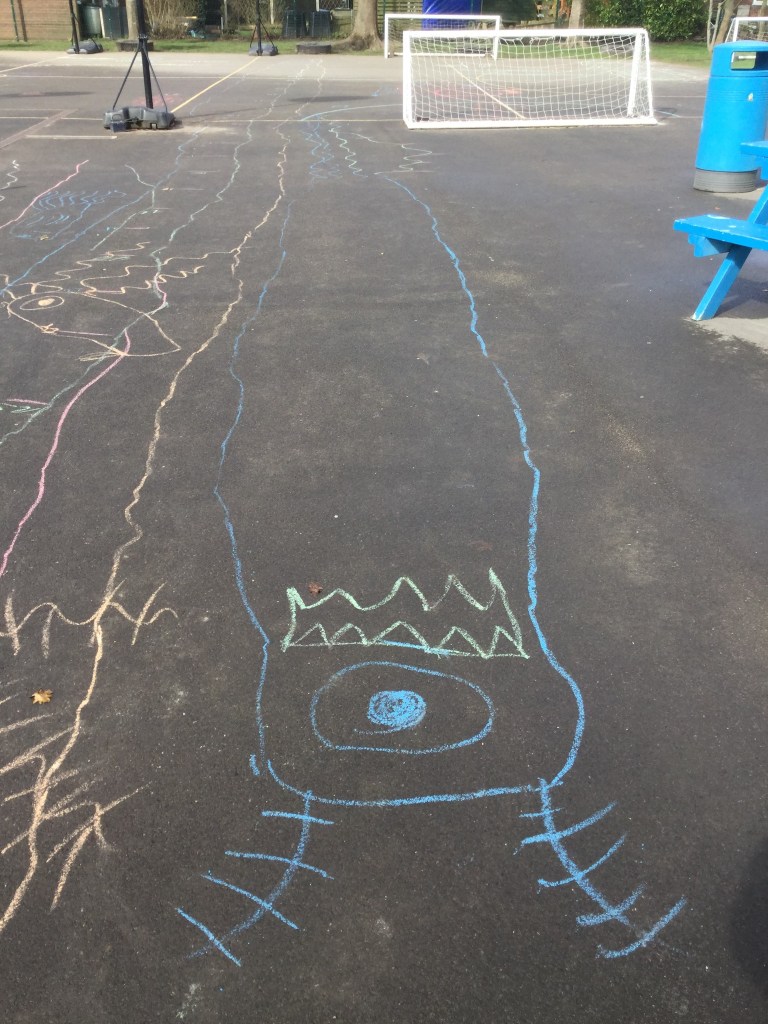
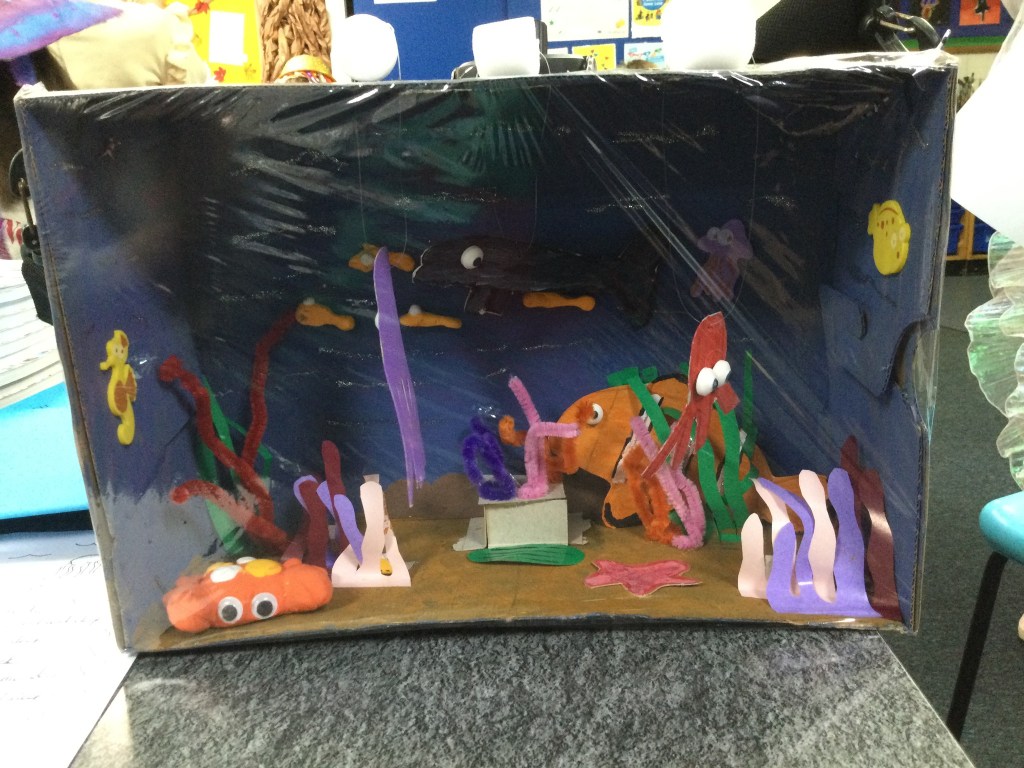
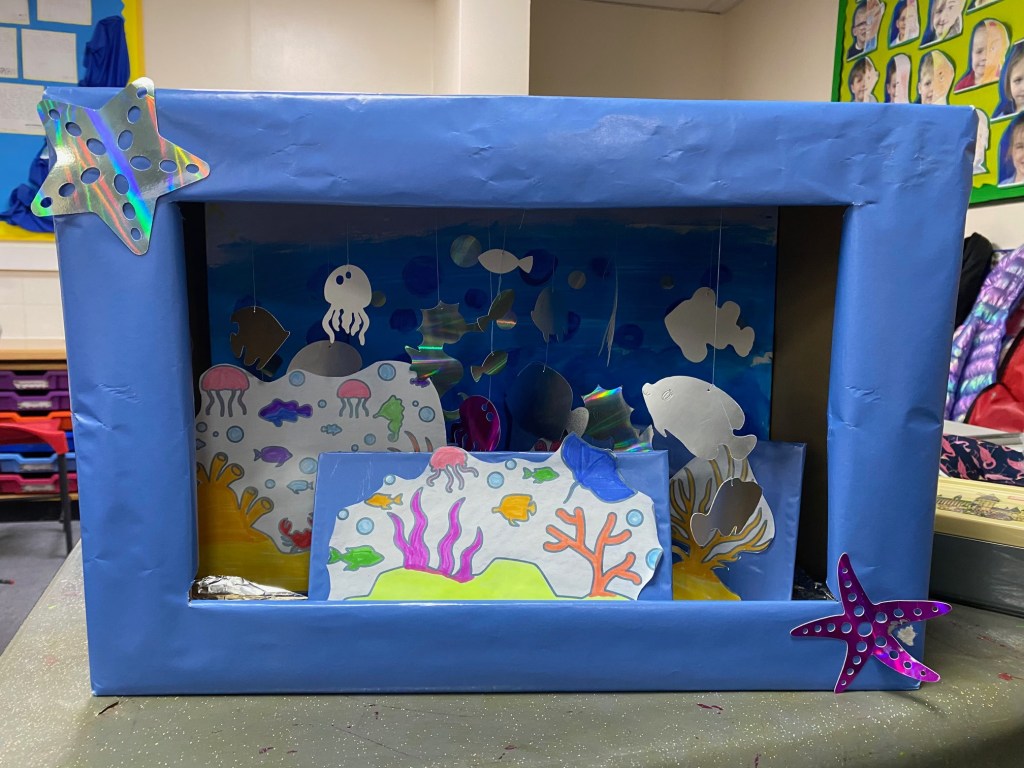
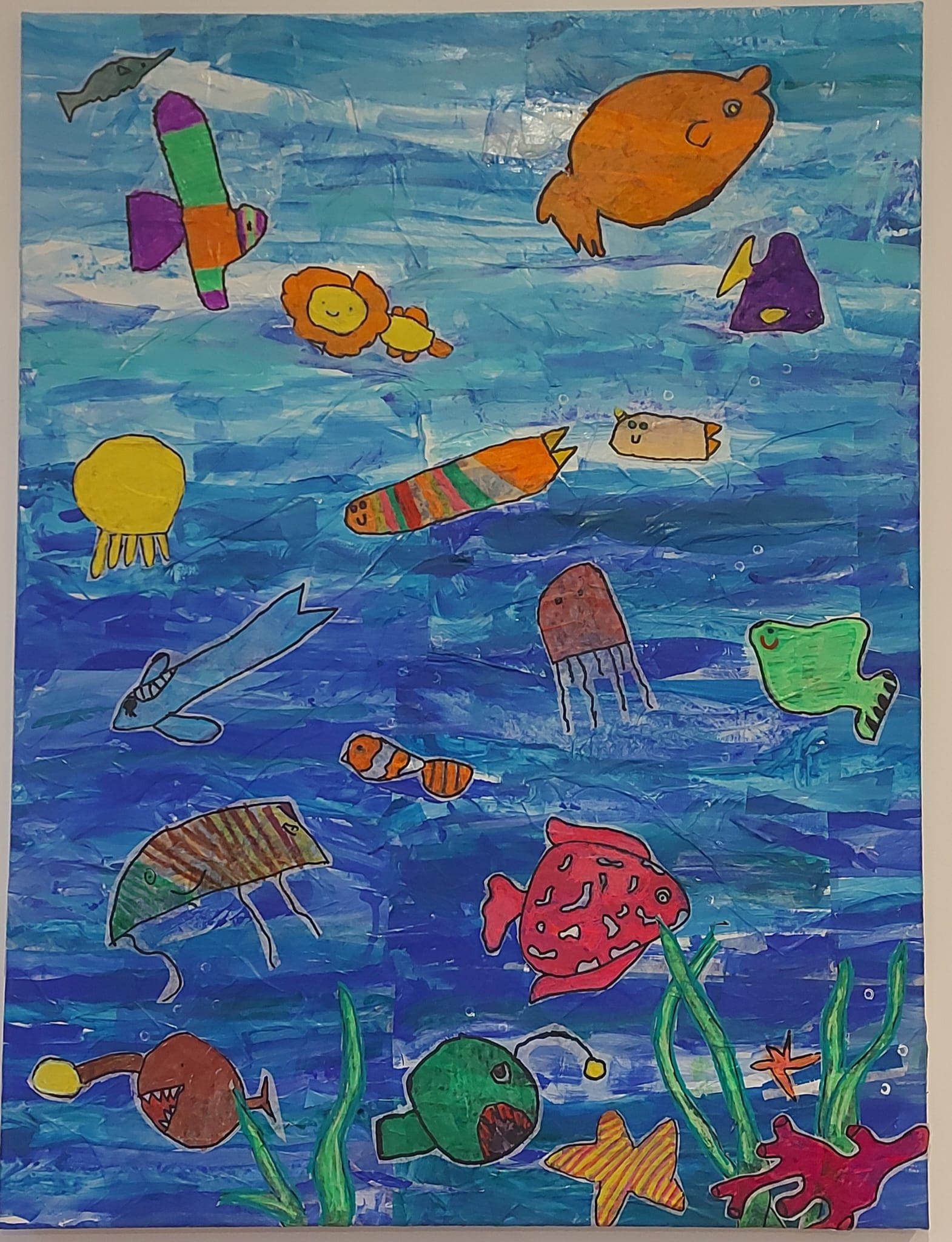
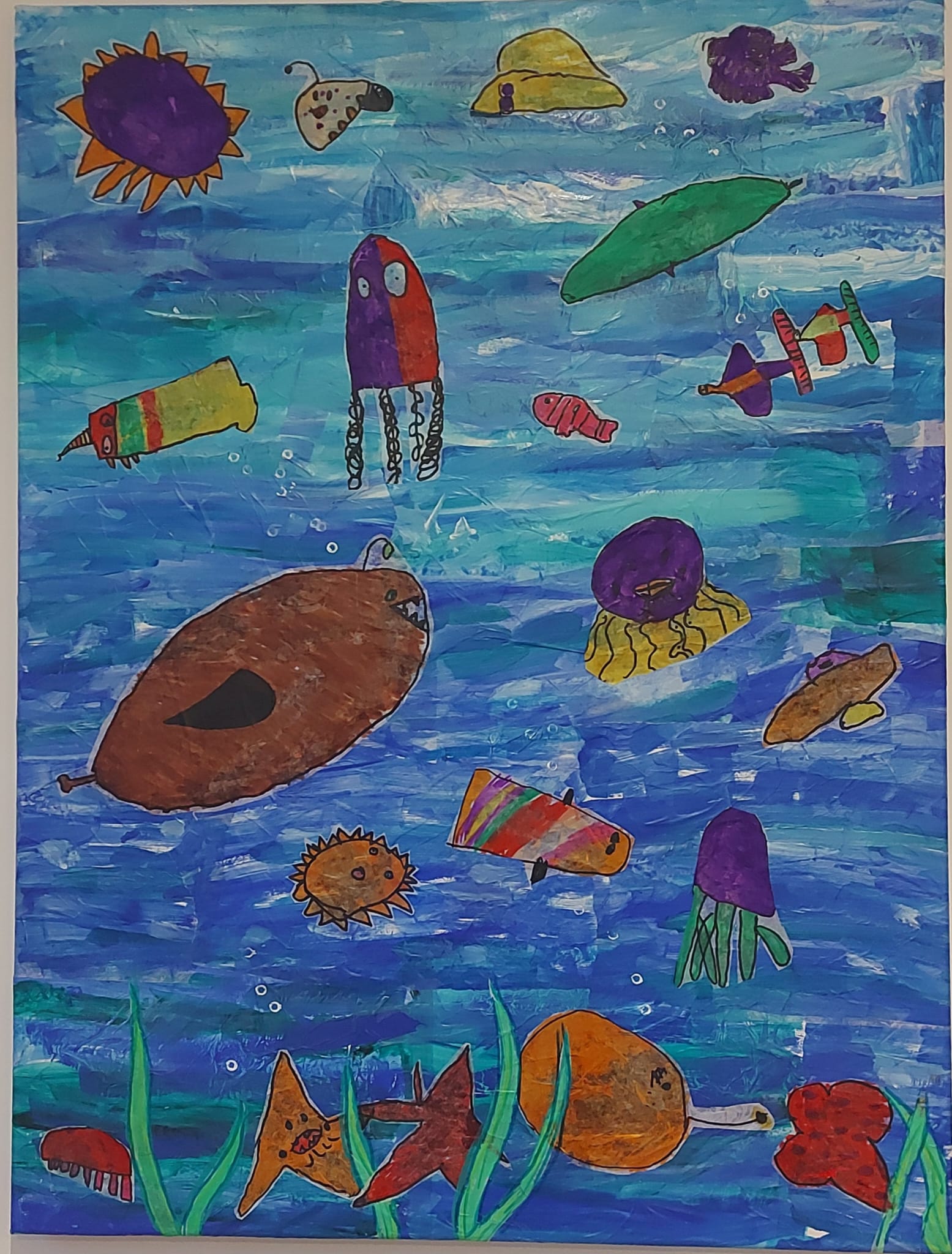
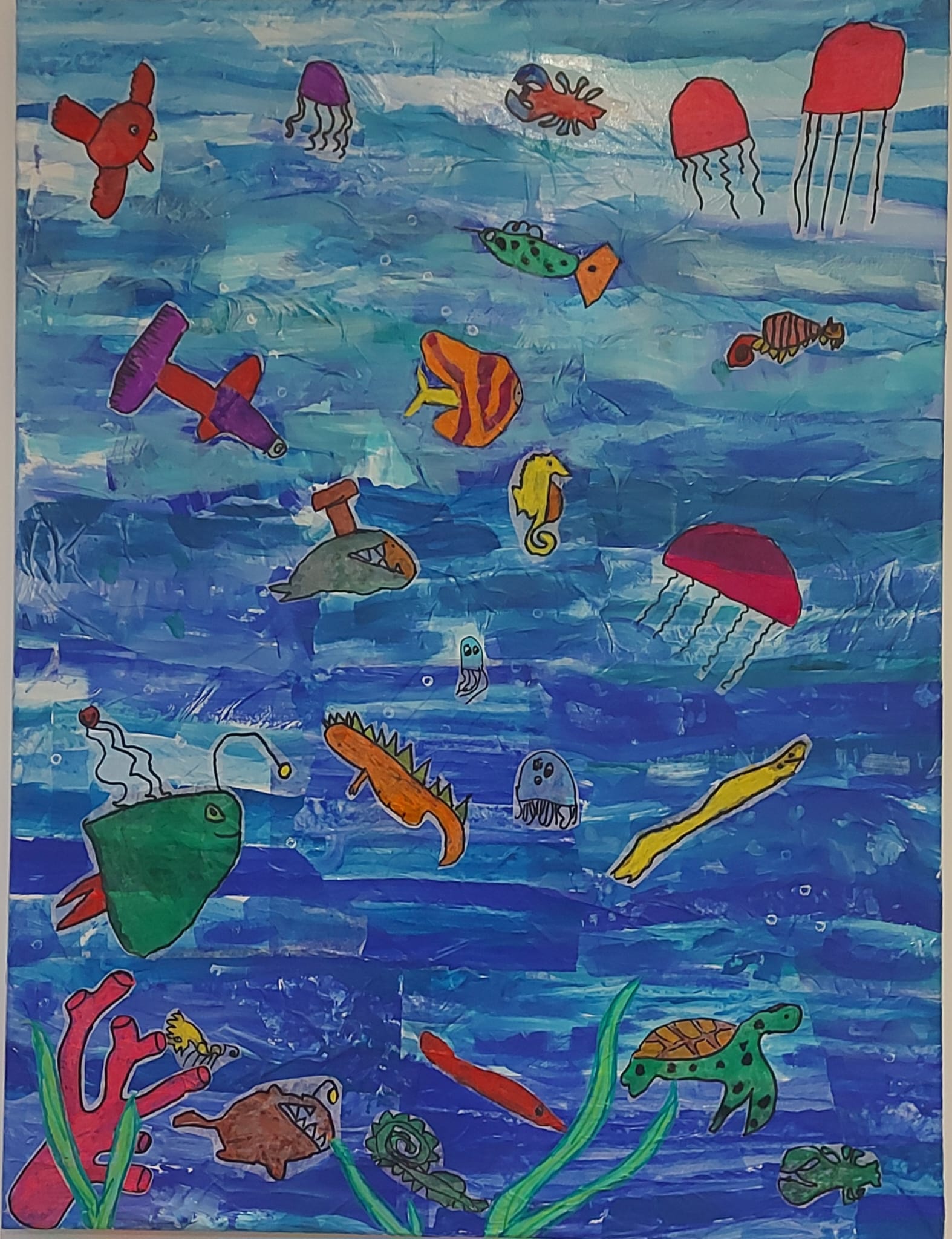
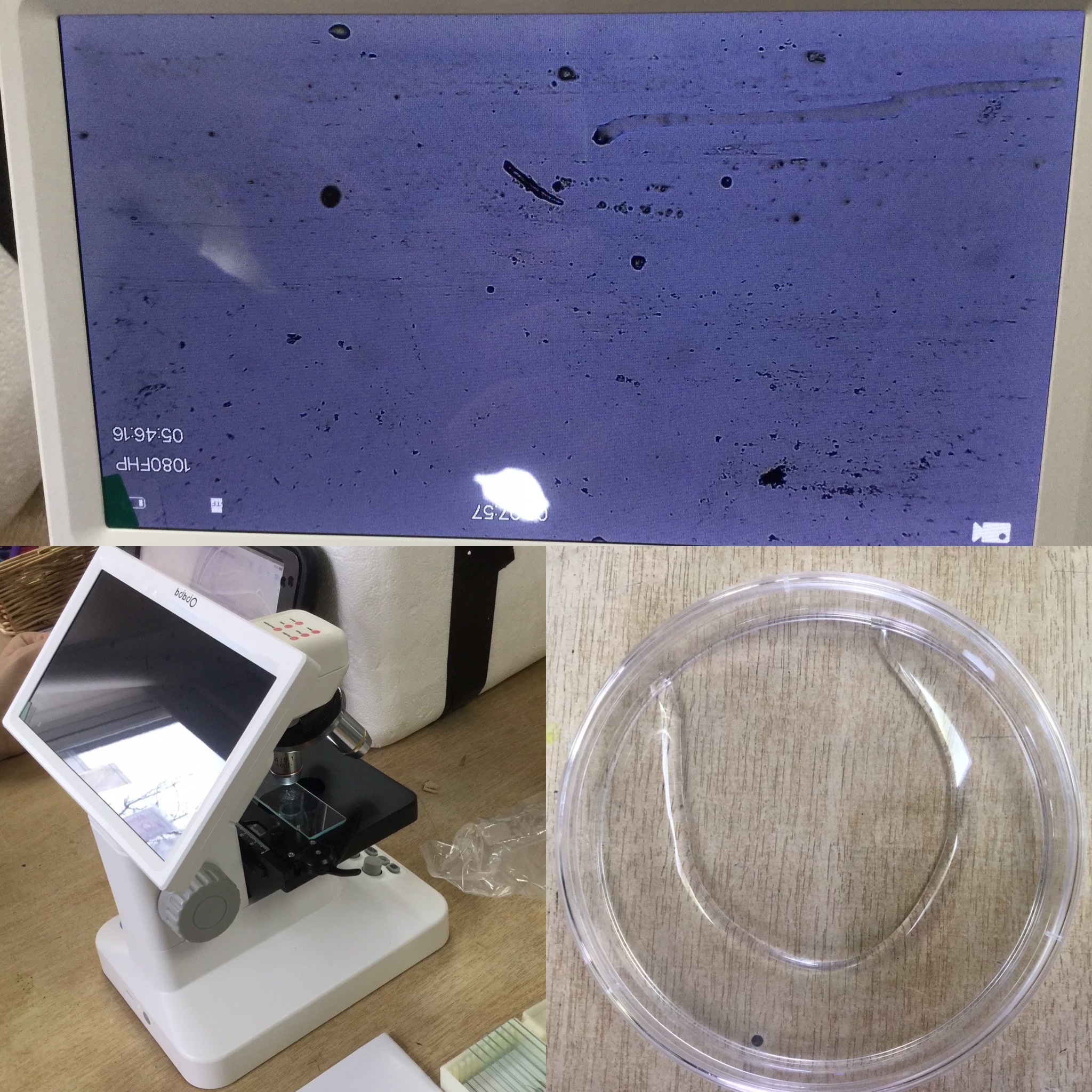
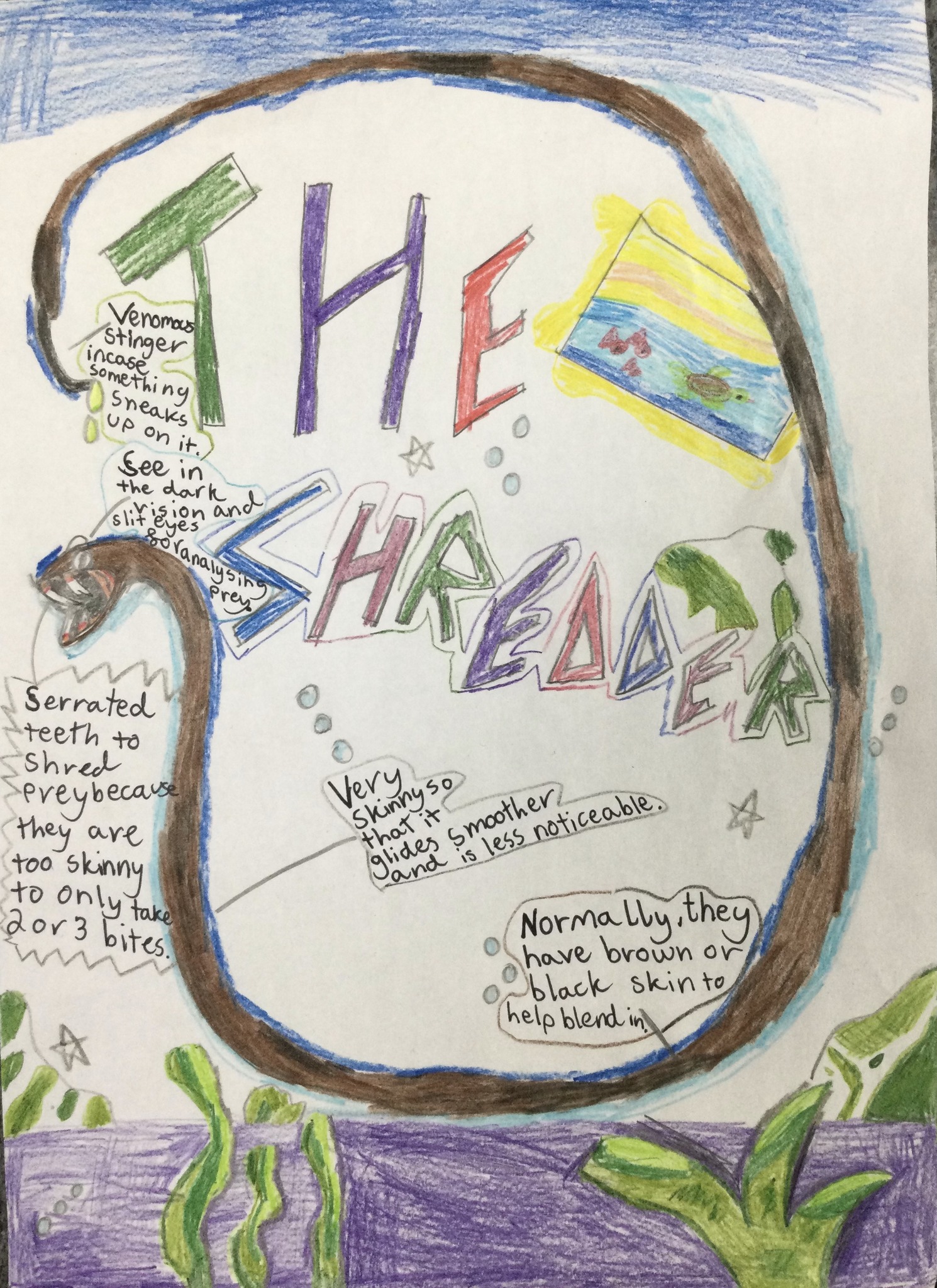
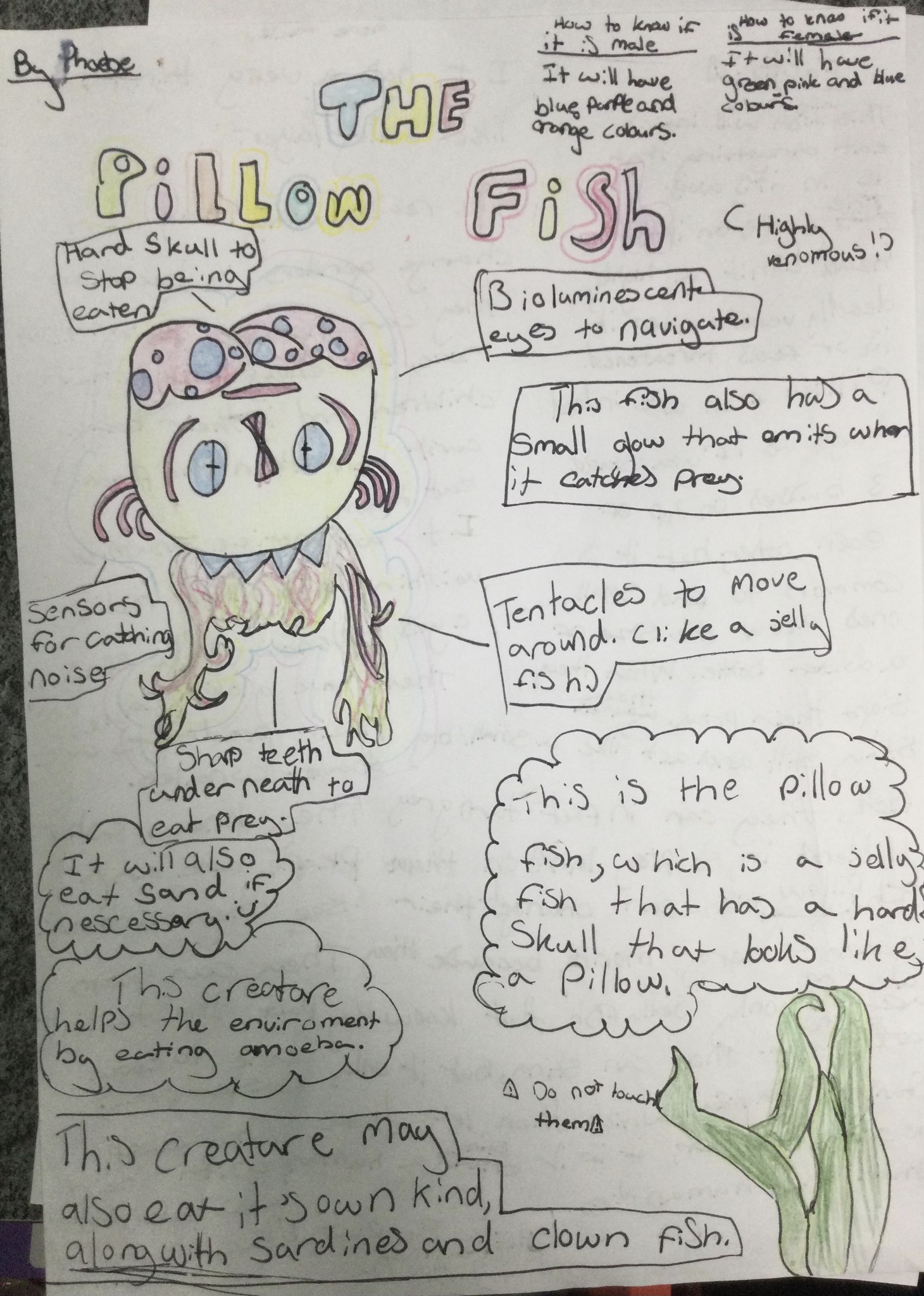
The work generated during the week was of a very high standard and reflected a broad range of curriculum areas. From art and music to science, mathematics, geography and English, pupils approached the ocean theme in a variety of creative and investigative ways. It was a clear confirmation that marine themes can sit comfortably within our existing subjects and provide a powerful context for learning.
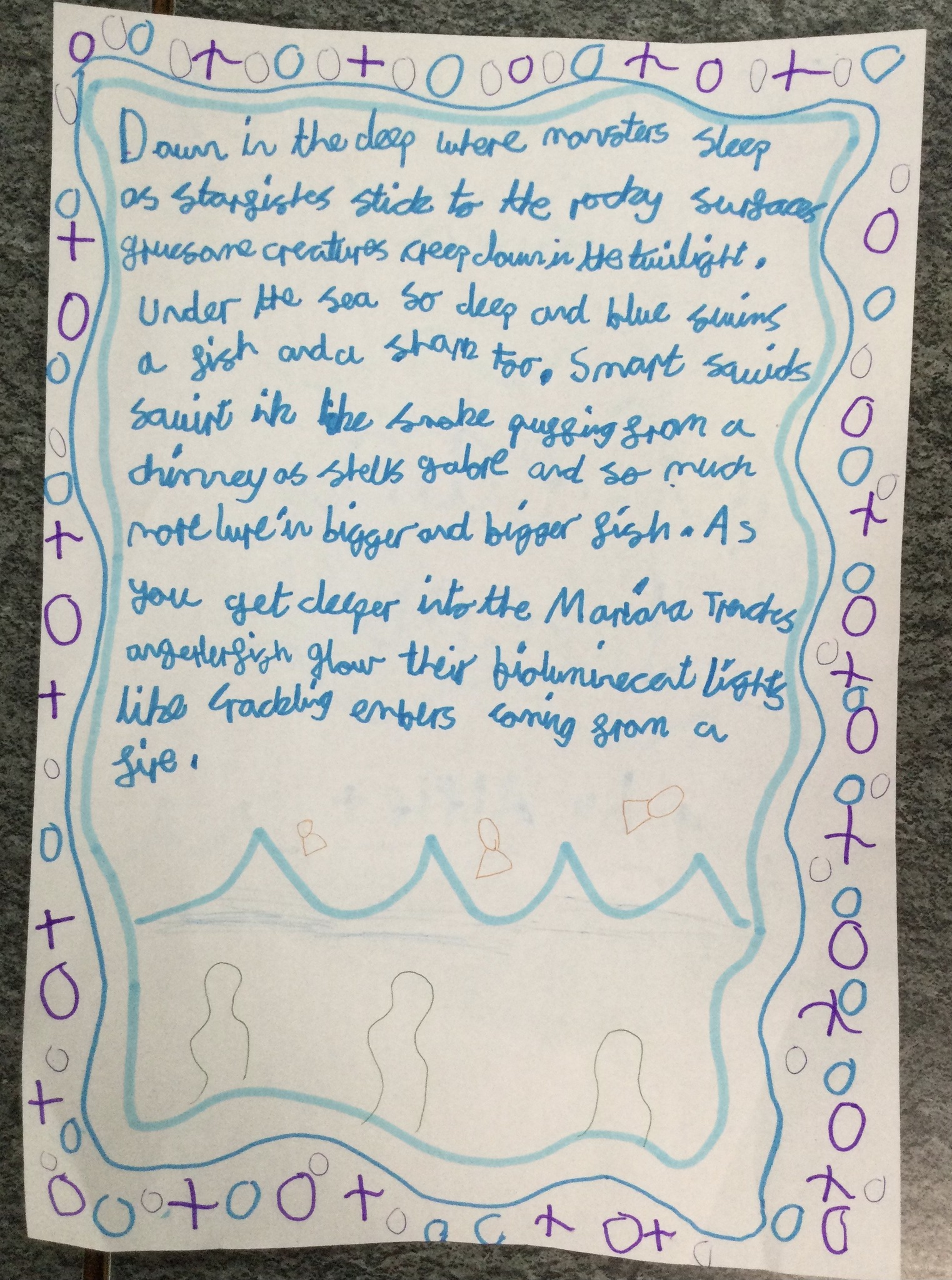
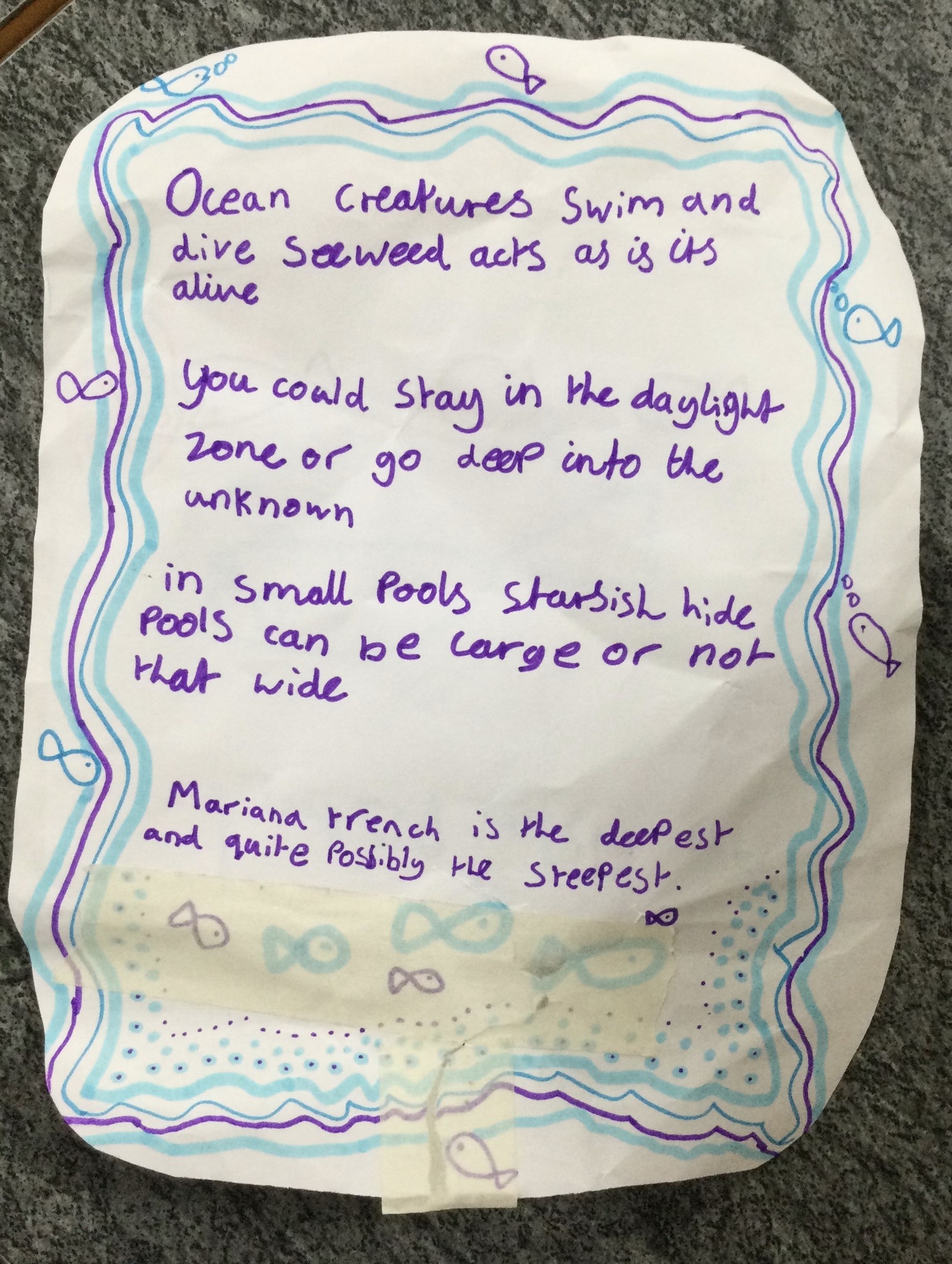
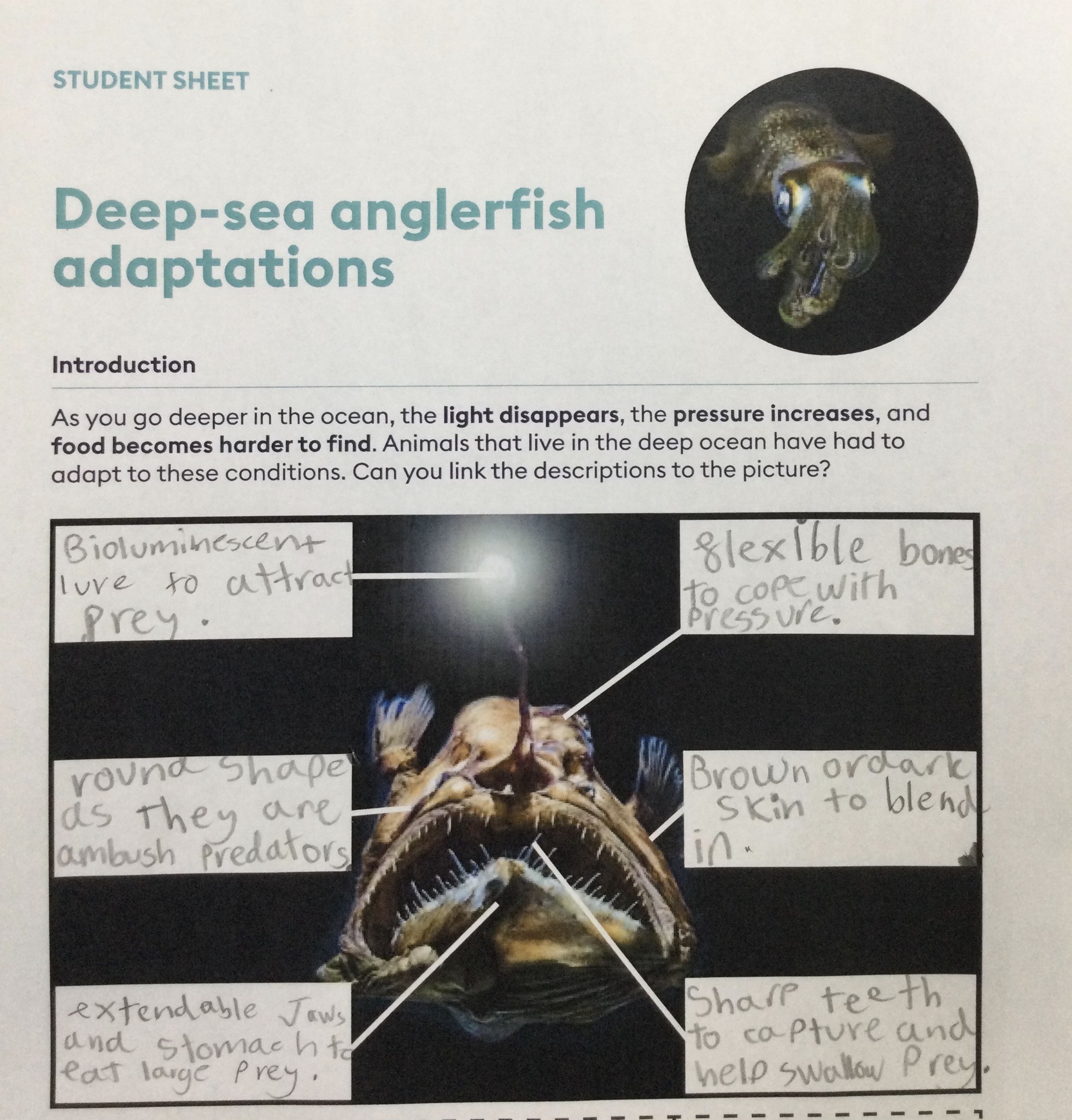
Learning from Experts
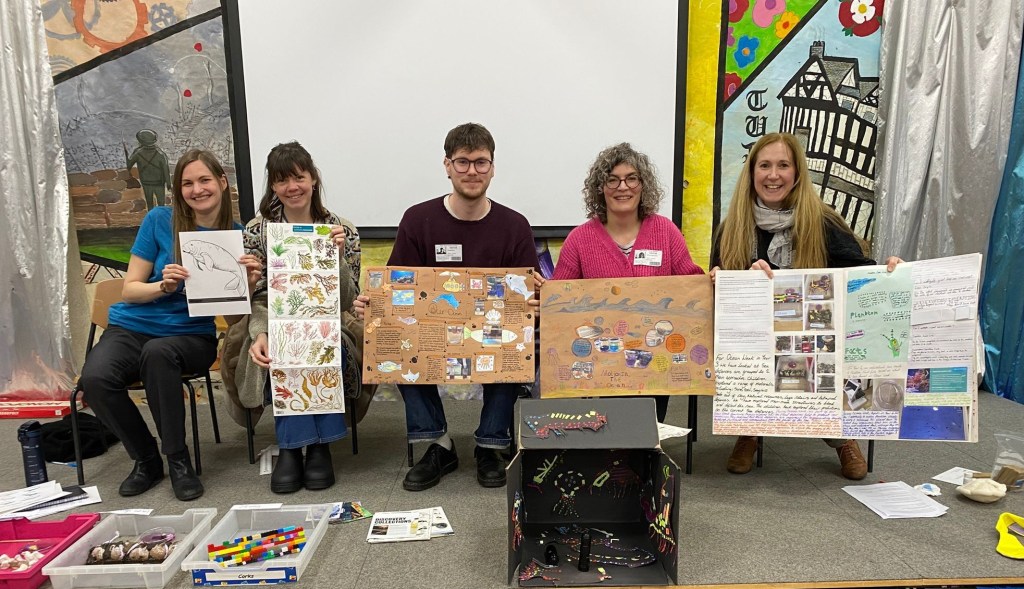
The week culminated in a celebration assembly, to which marine scientists from the National Oceanography Centre in both Southampton and Liverpool had been invited. This provided an opportunity for the children to share their work and for our NOC visitors to act as an expert panel, answering questions posed by the eager pupils. The depth and variety of these questions were a clear indication of how motivated the children had become through the week’s activities:
- Why does seaweed grow in the ocean?
- Why is there coral in the ocean?
- How did the salt get into the ocean?
- What is plankton and how much of it is there?
An Ocean Comes to Life
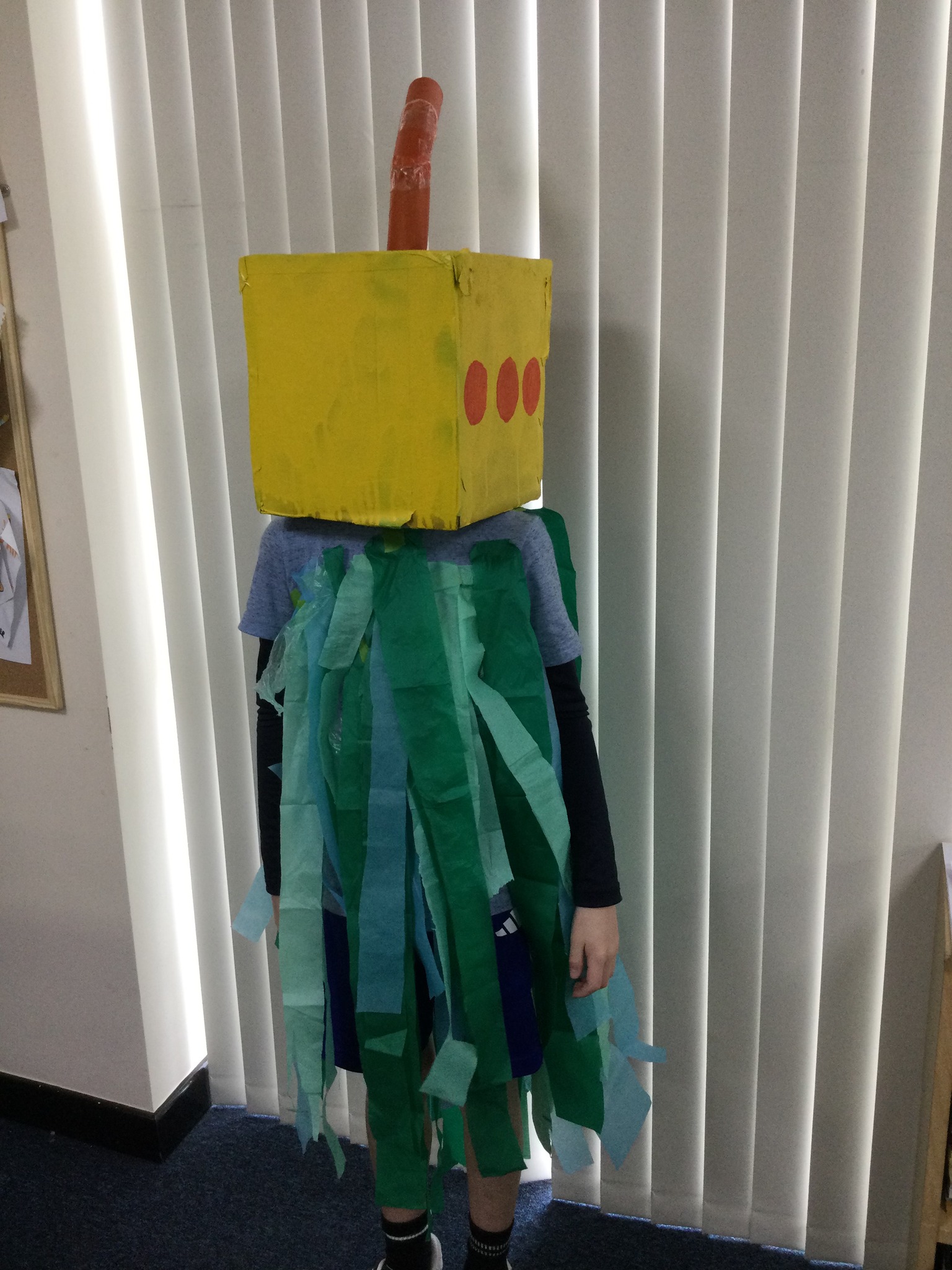
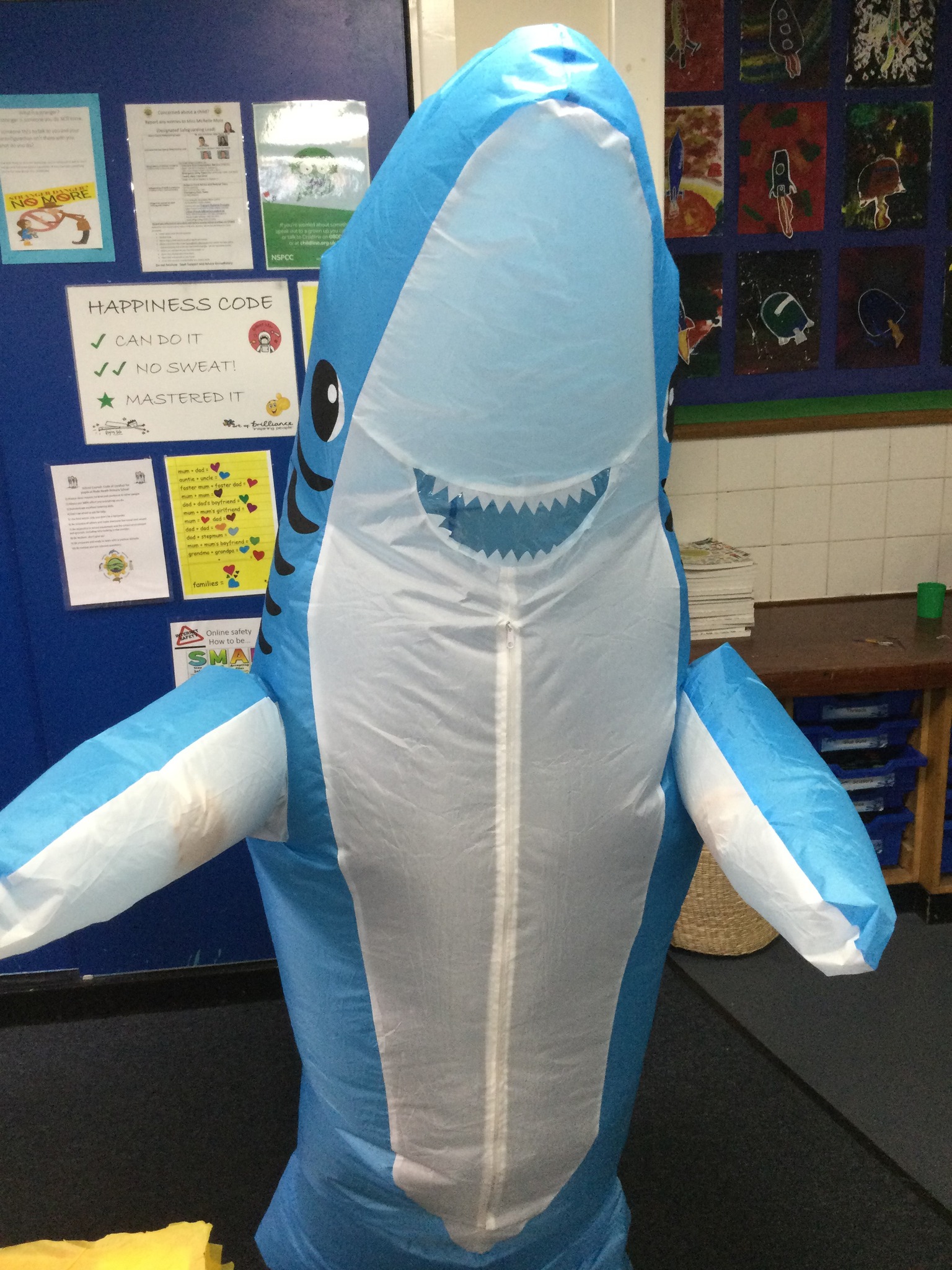
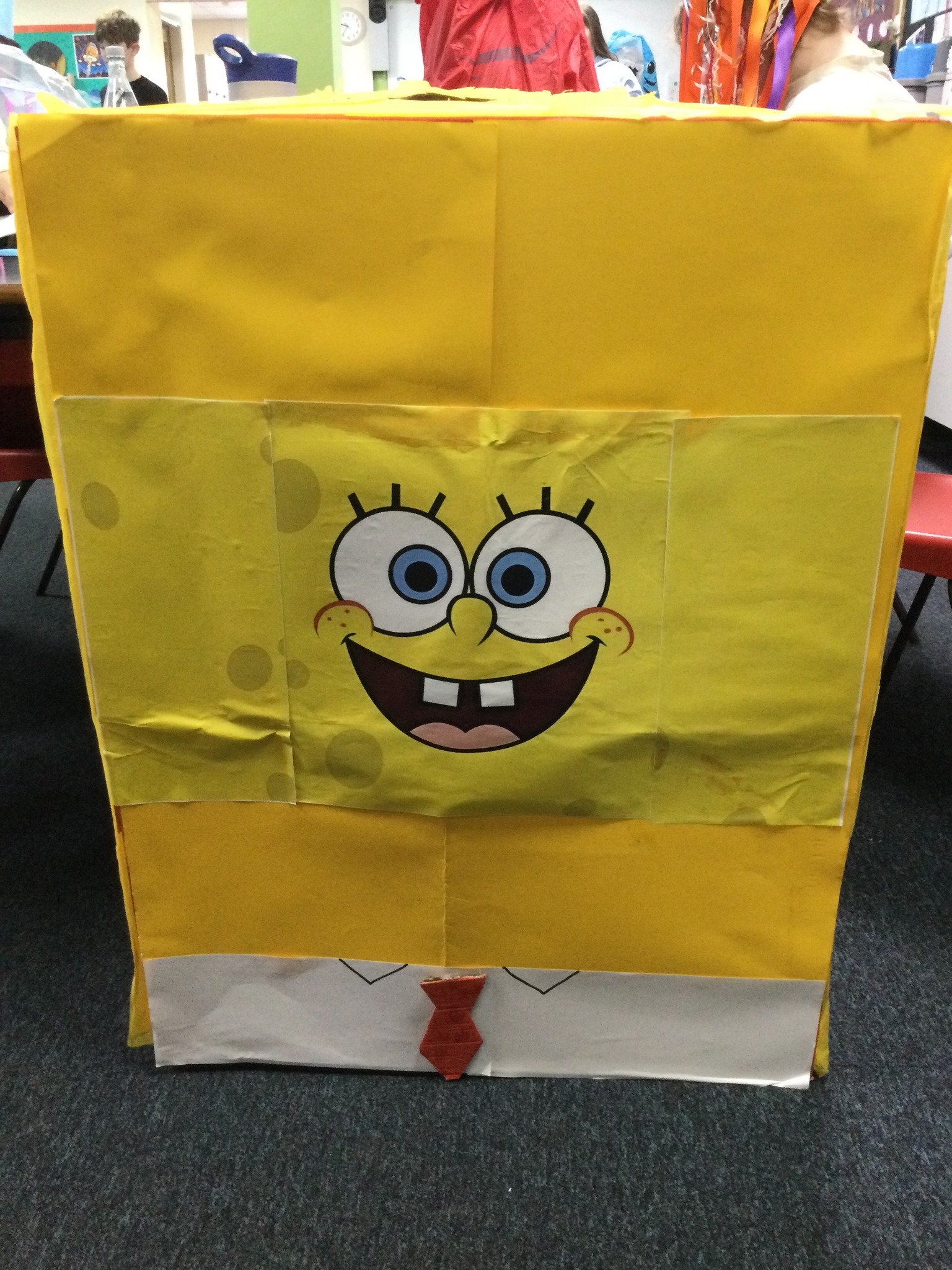
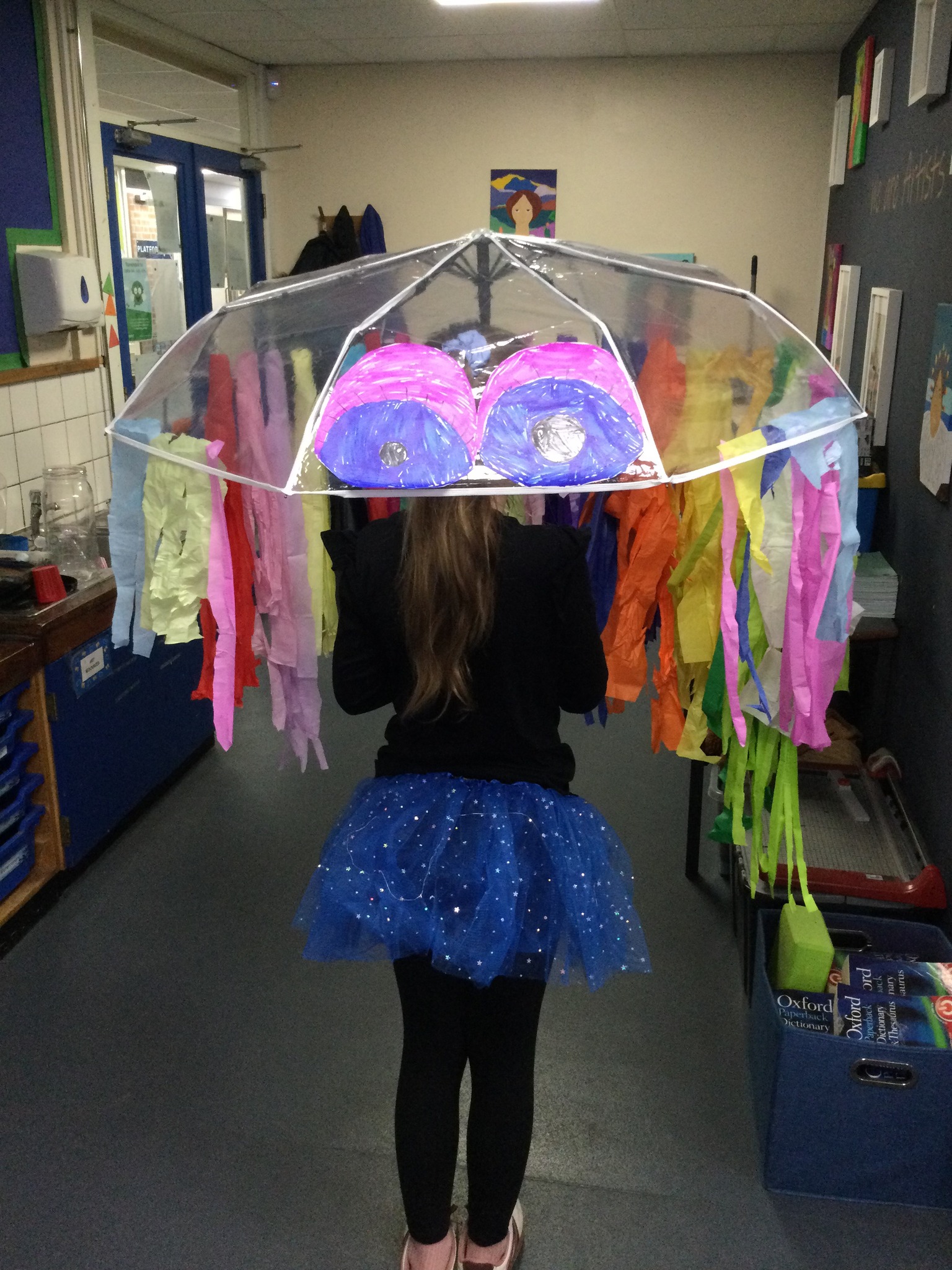
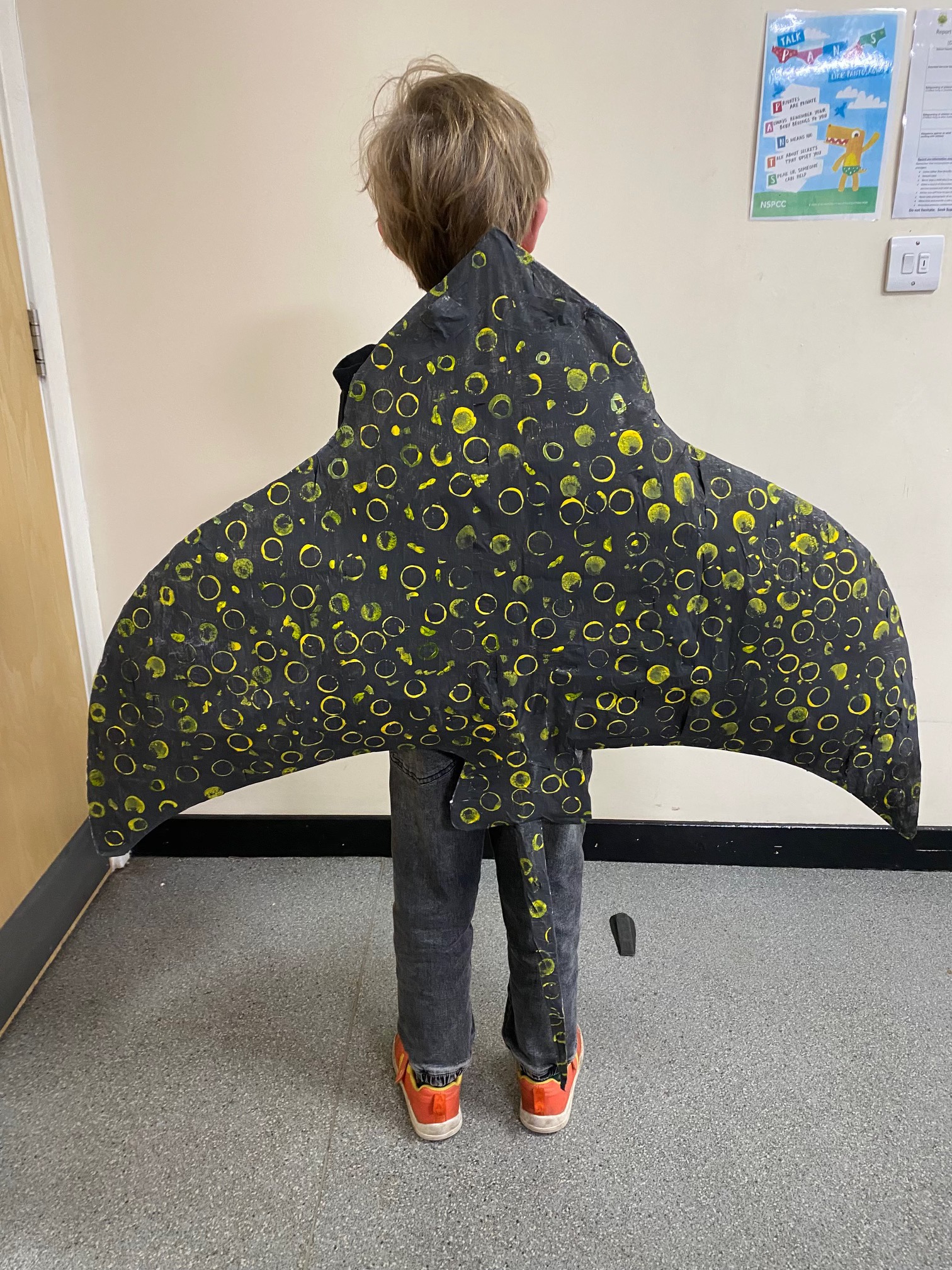
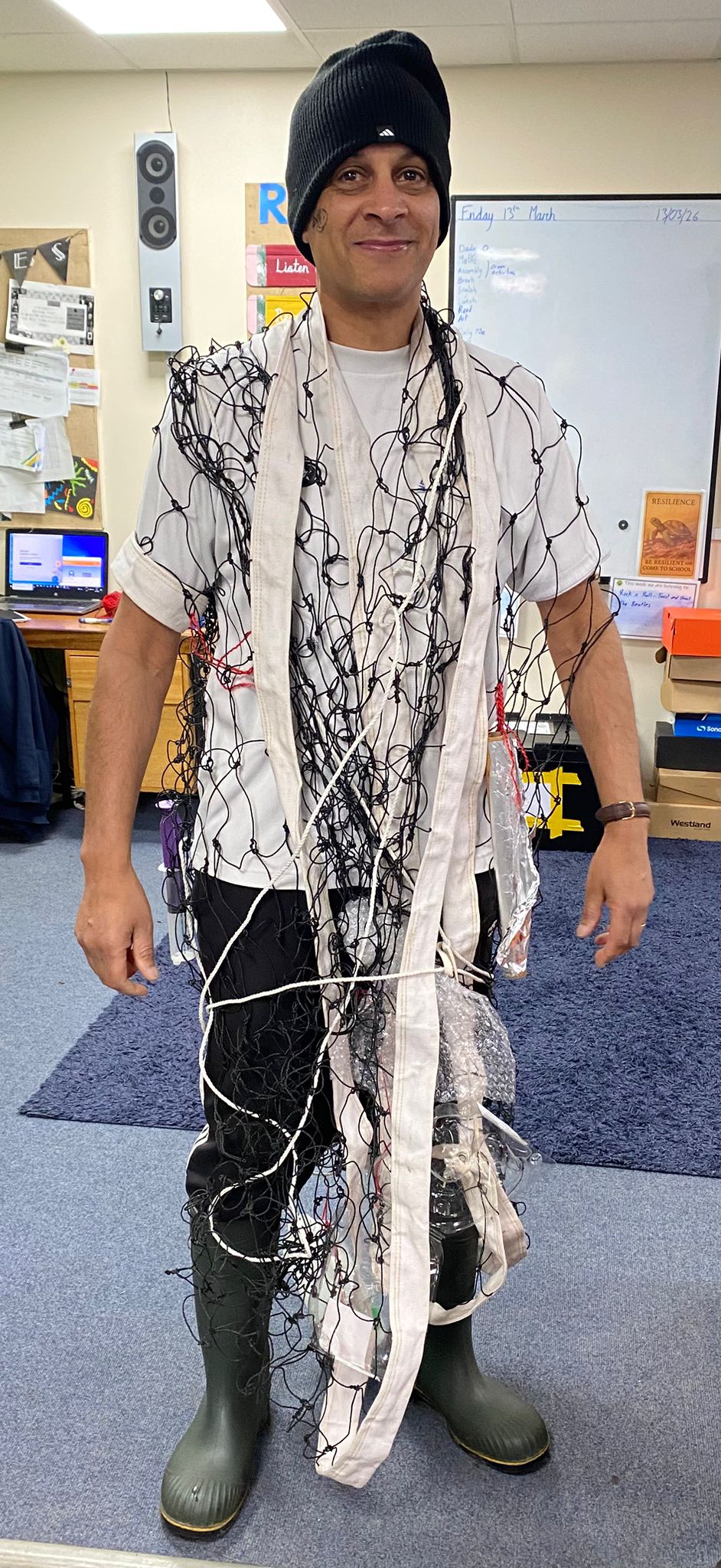
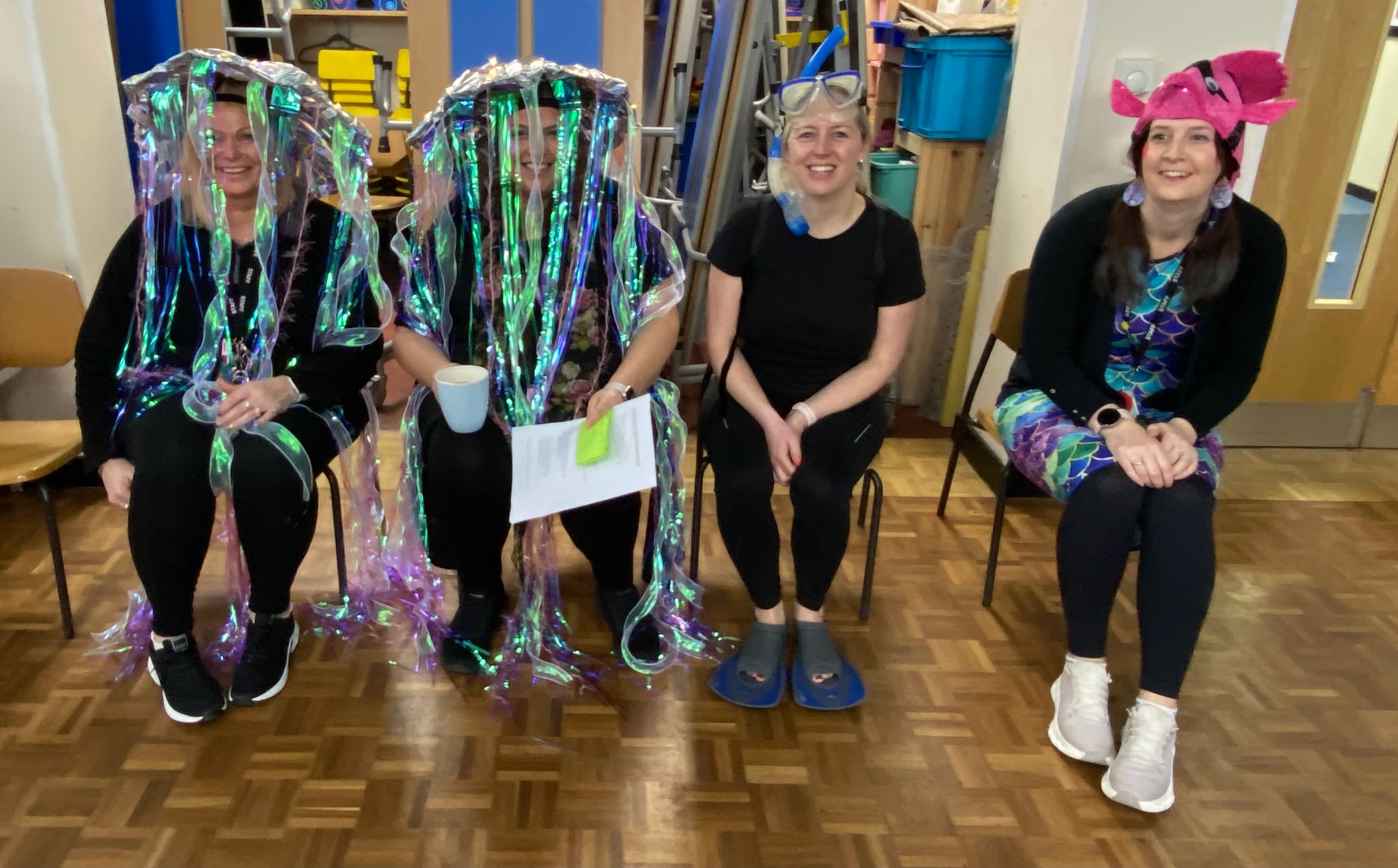
Everyone had dressed for the occasion in costumes inspired by the ocean, and the school hall briefly resembled the ocean floor itself. Sea creatures, divers and even the occasional submersible filled the room in a dazzling array of colour. It was a wonderful sight. The children spoke confidently and eloquently about their experiences and learning throughout the week.
Investigating the Power of the Sea
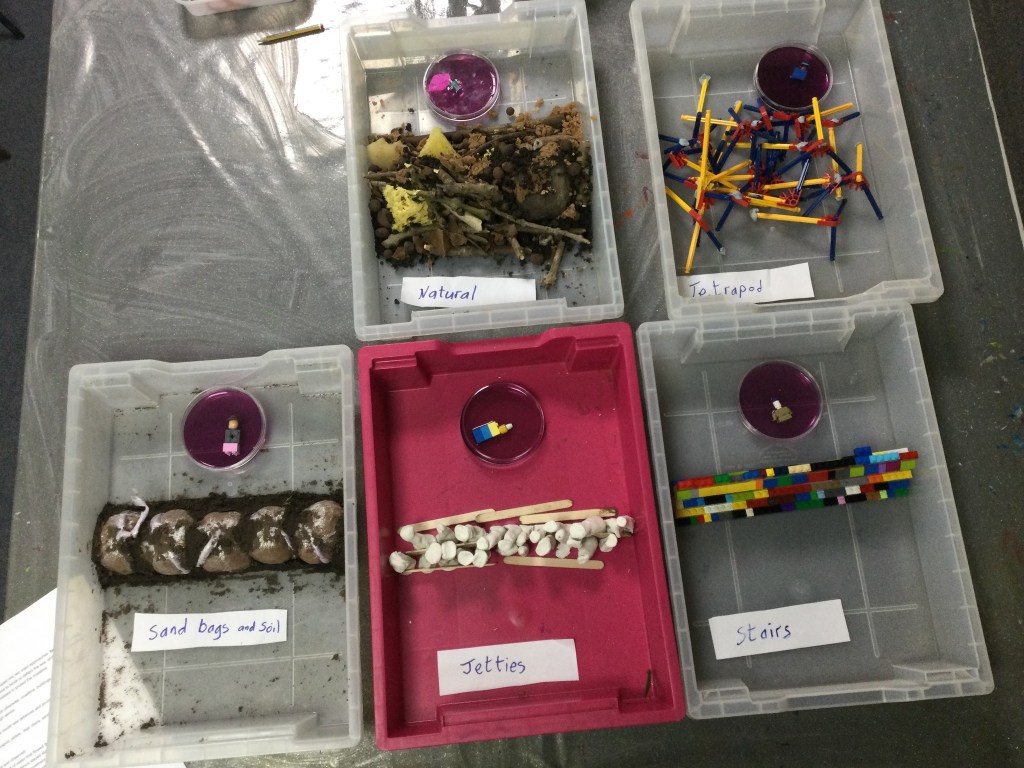
The Year 3 pupils, for example, had looked at different types of flood defences, exploring both natural solutions such as seagrass meadows and man-made structures including jetties and stepped seawalls. During the assembly they demonstrated their investigations by pouring jugs of water over their models to see which design offered the best protection. It was a wonderful example of practical science brought to life.


Sharing Our Experiences
Eventually, we had to bring the assembly to a close. As a token of our appreciation, we presented our visitors with a “Big Book of Ocean Week”, which contained examples of work from every year group across the school. They were genuinely impressed by the quality of the pupils’ work and, in particular, by the depth of understanding the children had developed about the science behind their investigations.
I would like to extend a sincere thank you to Dr Suzanne Maclachlan, who collaborated with me in planning and shaping the week and whose enthusiasm and expertise helped make the project such a success. Our thanks also go to the members of our Ocean expert panel — Sarah Sidders, Marta Payo Payo, Ruth Kennedy and Kai Simpson — for giving up their time to visit Rode Heath, sharing their knowledge with the pupils and answering the many thoughtful questions posed by our young scientists.
For many of the pupils, this week was their first opportunity to think seriously about the ocean — not just as a place of mysterious creatures and crashing waves, but as a vital and fascinating part of our planet that scientists and engineers are working hard to understand and protect. If Ocean Week has helped to spark curiosity in even a few future marine scientists, ocean engineers or conservationists, then it will have been a week very well spent.






 Think Like An Engineer